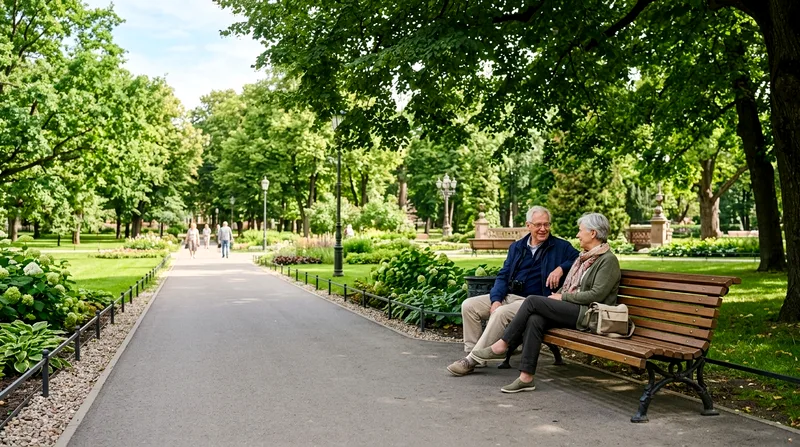
Riga for Seniors: Best Low-Pace, Accessible Tours
Riga for seniors made easy: low-walking tours, canal boat rides, and accessible cultural experiences. Practical booking tips and accessibility details inside.
8 min read · 19 Oct 2026
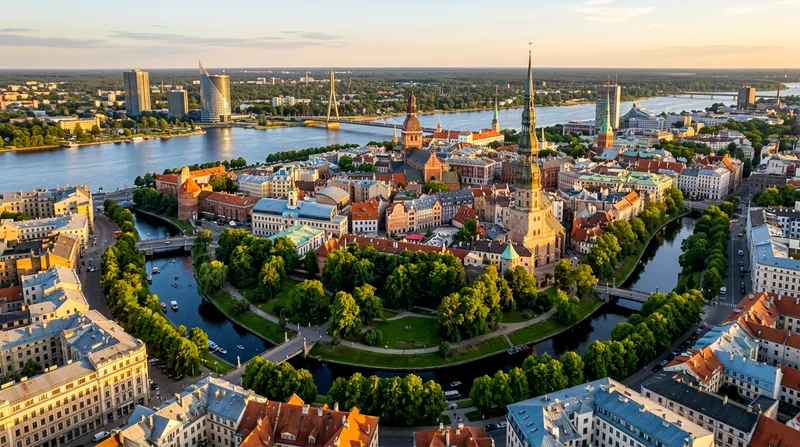
Tours & activities
Discover the best things to do in Riga. Compare Old Town walks, boat trips, Art Nouveau tours and museum passes to plan your visit.
Figuring out things to do in Riga starts with being honest about your pace and interests, not with scrolling a list of attractions. The city packs a walkable medieval core, one of the world's densest collections of Art Nouveau buildings, a working river port, and a cavernous central market into an area you can cross on foot in 40 minutes. That compactness is a gift and a trap — it's tempting to book four tours in one day and end up seeing all of it through a fog of fatigue.
A good rule: match one tour category to your main interest, then fill gaps with free or self-guided time. Someone chasing architecture should prioritize Art Nouveau over a generic "highlights" bus tour. Someone traveling with young kids should weight family-friendly, shorter activities over a three-hour walking lecture on Hanseatic trade history.
If you want context behind the Freedom Monument, Dome Cathedral, and the Old Town's layered Hanseatic-to-Soviet history, book a guided walking tour over a self-guided one. A knowledgeable guide explains why so much of Riga looks rebuilt (much of it was, after WWII bombing and Soviet-era neglect) and points out details — guild house carvings, cat statues with a grudge-bearing backstory — that are easy to miss alone. Pair this with a dedicated Art Nouveau tour on a separate day; combining both into one rushed outing usually shortchanges the architecture half.
Kids under 10 generally tolerate 60-90 minutes of walking tour before attention collapses. Look for shorter, story-driven Old Town walks pitched at families, or skip walking tours altogether and book a boat trip on the Daugava River — sitting down, moving scenery, and minimal lecture time works better for restless children. The Central Market, with its hangar-sized former Zeppelin sheds and food stalls, doubles as an activity and a lunch stop, and it's free to wander.
Riga is cheaper than Helsinki and roughly comparable to Krakow or Gdansk for food and transport, which helps if you're watching spend. Free walking tours (tip-based, typically €0 upfront) cover Old Town basics adequately, though guide quality varies more than on paid tours. The Freedom Monument, Dome Cathedral square, and most of the Art Nouveau district (Alberta Street in particular) cost nothing to see independently — you only pay if you want a guide's commentary or interior museum access.
Riga itself is light on adrenaline activities — for that, most people day-trip to Sigulda, about an hour away, for the bobsleigh track, zip lines, and Gauja National Park hiking. Within the city, your "outdoor" options are mostly the river (kayak or boat) and cycling along the Daugava embankment. If adventure sports are your priority, treat Riga as your base and book a Sigulda day tour rather than expecting much adrenaline downtown.
Riga's tour market splits into a handful of clear categories, and knowing the differences before you open a booking app saves time and money. Walking tours dominate volume and price competition. Boat tours are seasonal and scenery-focused. Museum passes suit multi-day visitors. Private guides cost more but flex around your schedule. None of these is objectively "best" — they solve different problems.
Walking tours suit first-time visitors wanting context, while boat tours and private guides serve more specific needs around pacing and flexibility.
Riga tour categories compared: duration, group size, and best fit
| Tour Type | Typical Duration | Group Size | Best For |
|---|---|---|---|
| Old Town walking tour | 1.5-3 hours | 8-25 people | First-time visitors, history fans |
| Art Nouveau walking tour | 1.5-2.5 hours | 8-20 people | Architecture and photography fans |
| Daugava boat tour | 45-60 minutes | 20-80 people | Families, rest stops, skyline views |
| Private guided tour | 2-4 hours, flexible | 1-6 people | Couples, solo travelers, specific interests |
| Food or market tour | 2-3 hours | 6-15 people | Food-focused travelers, small groups |
| Day trip to Sigulda | 7-9 hours | 10-40 people | Outdoor and adventure seekers |
Typical figures based on common tour formats; exact durations and group caps vary by operator, so check listings before booking.
Walking tours typically run 1.5 to 3 hours, cover Old Town or the Art Nouveau district, and involve a lot of standing still while the guide talks — fine for adults, tougher for small children or anyone with mobility issues. Boat tours on the Daugava River run roughly 45 minutes to an hour, operate primarily from spring through early autumn (ice and low tourist demand shut most of them down in winter), and give you a skyline view of the National Library of Latvia's distinctive glass-and-stone silhouette from the water. Choose walking tours for depth and detail; choose a boat tour when you want rest, photos, and a different vantage point rather than facts.
Standard group tours hold anywhere from 8 to 25 people depending on the operator and season, cost less per person, and run on fixed schedules you have to match. Private guides — often booked through the same platforms as group tours — let you set the pace, skip sections that bore you, and ask detailed questions, but typically cost two to four times more per person for a comparable duration. Couples or solo travelers with flexible budgets and specific interests (genealogy research, Soviet-era history, photography) get noticeably more value from a private guide than families or large groups splitting the cost.
Riga doesn't have a single dominant all-inclusive city pass the way Tallinn does with its Tallinn Card, so you'll generally pay per attraction or look for bundled combo tickets sold by individual museums. If you're staying two or more days and plan to hit four-plus paid sites (Riga Ghetto museum, KGB building tours, Art Nouveau museum interiors), check whether a combo ticket exists for that specific cluster — it sometimes does, but verify before assuming savings. For a single-day visit, individual tickets booked on arrival are usually simpler and avoid paying for sites you'll skip.
Not all listings for the same attraction are equal, even when they look near-identical in a search results page. Before booking, check three things beyond price: group size caps, what's actually included, and the cancellation window.
A tour capped at 12 people moves differently than one with 25. Smaller caps mean you can actually hear the guide without a headset system, get closer to details in tight Old Town alleys, and ask questions without holding up two dozen other people. Larger groups are usually cheaper and fine for broad overview tours, but avoid them for anything billed as "intimate" or "small-group" unless the listing states an actual number — "small group" with no cap specified is a vague claim worth questioning.
Check whether entrance fees to sites like Dome Cathedral or specific museums are included or separate — guides sometimes walk you past a site rather than into it, and the listing text can bury this distinction in fine print. Free cancellation up to 24 hours before start time is standard on platforms like GetYourGuide; anything with a stricter no-refund policy should come with a clear reason (small-group exclusivity, a pre-booked restaurant table) or it's worth passing on. Read the two or three most recent reviews on TripAdvisor or the booking platform itself rather than the overall star rating — ratings can lag behind a change in guide quality or ownership.
Timing affects both availability and what you'll actually see, especially for anything outdoors or river-based.
Riga's tourist season runs roughly May through September, with July and August busiest and warmest (daytime highs typically 20-23°C). Boat tours on the Daugava mostly operate in this window and shut down over winter. Visiting November through February gets you a quieter, cheaper Old Town and Christmas market season in December, but expect short daylight (sunset around 3:30-4pm in December) and cold enough that long outdoor walking tours get uncomfortable. Compared to Tallinn or Helsinki, Riga's winter is broadly similar — gray and cold rather than brutally harsh — so it's not a reason to avoid the city, just a reason to favor indoor museum time over long walks.
Booking a week or more ahead during peak summer months matters most for popular Art Nouveau walking tours and any tour with a hard group-size cap — these sell out first. Off-season, same-day or next-day booking is usually fine, and you'll have more use to pick tour times that suit your schedule. If your trip includes a side trip to Sigulda or Jurmala, book those separately and early, since they often run on fixed daily departure times rather than the rolling slots you see with in-city walking tours.
For things to do in Riga, most travelers book through established marketplaces rather than hunting for individual operator websites. GetYourGuide and similar platforms aggregate dozens of Riga-based operators, show recent review counts, and let you filter by duration, language, and group size — useful when comparing five similar-looking Old Town walking tours. TripAdvisor remains useful for cross-checking reviews, especially the more detailed written ones rather than the star average, since a 4.5-star listing with 40 reviews and a 4.5-star listing with 4,000 reviews aren't equally trustworthy.
I'd avoid booking a tour purely because it's the top search result or has the lowest price — cheap group tours sometimes cram in more stops than the duration reasonably allows, which means rushing past the Latvian National Opera building or skipping the Art Nouveau district's quieter streets. Read the itinerary stop-by-stop, not just the headline description, and check how long is actually allotted at each stop versus walking between them. Always verify current prices, start times, and meeting points directly on the booking platform before confirming, since these details shift by season and operator.
The strongest combination is a guided Old Town walking tour (covers the Freedom Monument, Dome Cathedral, and medieval guild buildings), a separate walk or self-guided stroll through the Art Nouveau district on Alberta Street, and a visit to Riga Central Market for lunch. Add a Daugava River boat tour if you're visiting between May and September and want a different pace.
Two full days covers the essentials comfortably — one for Old Town and the market, one for Art Nouveau and a museum or two. Three days lets you add a day trip to Sigulda or Jurmala without feeling rushed. One day is workable only if you accept skipping either the architecture district or a day trip entirely.
Use an established platform like GetYourGuide to compare multiple operators side by side, check recent reviews (not just the star average), and confirm what's included — some listings cover entrance fees, others don't. Book Art Nouveau tours and anything with a small-group cap a week ahead in peak summer; off-season, next-day booking is usually fine.
Yes. Walking Old Town's streets, standing in front of the Freedom Monument, admiring Dome Cathedral's exterior, browsing Riga Central Market's stalls, and photographing Alberta Street's Art Nouveau facades all cost nothing. Tip-based free walking tours exist too, though guide quality is less consistent than on paid tours.
Group tours run on fixed schedules with 8-25 people and cost less per person; private guides work around your timing, typically cost two to four times more, and let you dig into specific interests. Private guides make more sense for couples or solo travelers with particular questions; group tours suit families and budget-focused travelers fine for general overviews.
Riga for seniors made easy: low-walking tours, canal boat rides, and accessible cultural experiences. Practical booking tips and accessibility details inside.
8 min read · 19 Oct 2026
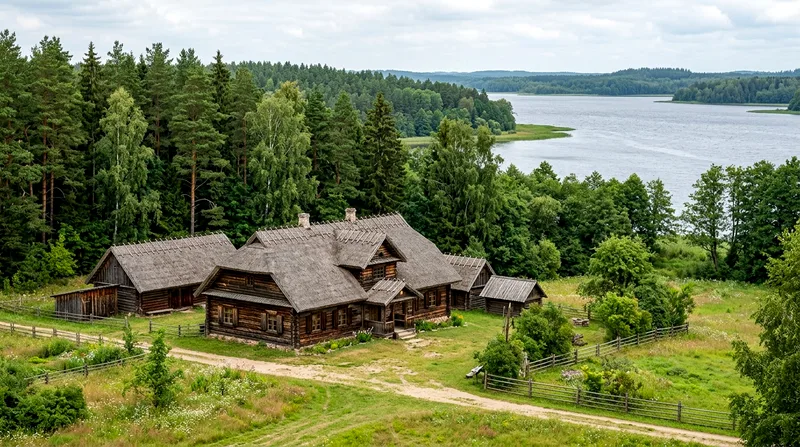
Latvian Ethnographic Open-Air Museum tickets, prices, hours and directions from Riga. Plan a half-day visit with transport and tour tips.
10 min read · 19 Oct 2026
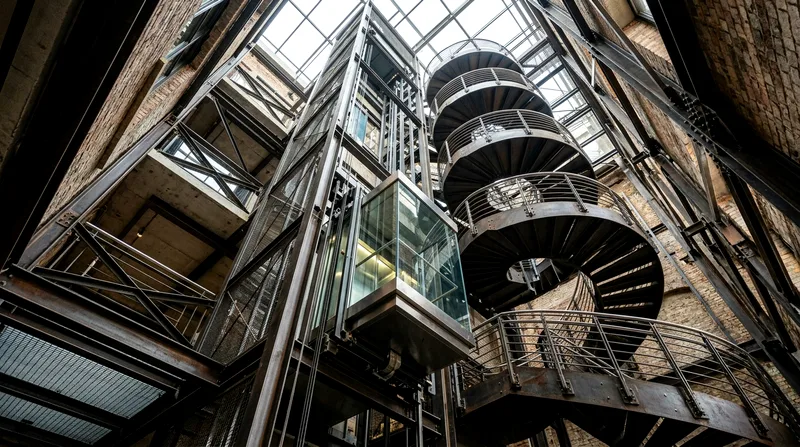
Book St Peter's Church Riga tickets for the 72m tower. Opening hours, prices, skip-the-line options, best photo times & panoramic views guide.
9 min read · 19 Oct 2026
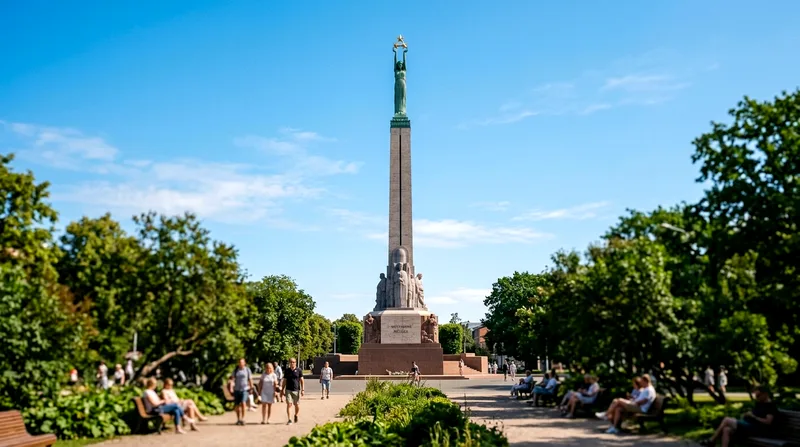
Comparing free things to do in Riga vs paid attractions: which museums and tours earn their ticket price, and where self-guided exploration wins.
9 min read · 19 Oct 2026
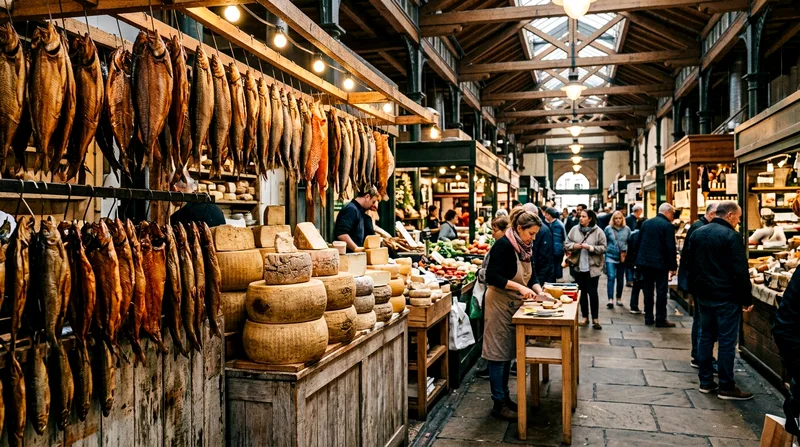
Planning a Riga Central Market visit? Compare guided tours vs independent exploring, check hours, and find the best Latvian foods to try.
8 min read · 19 Oct 2026
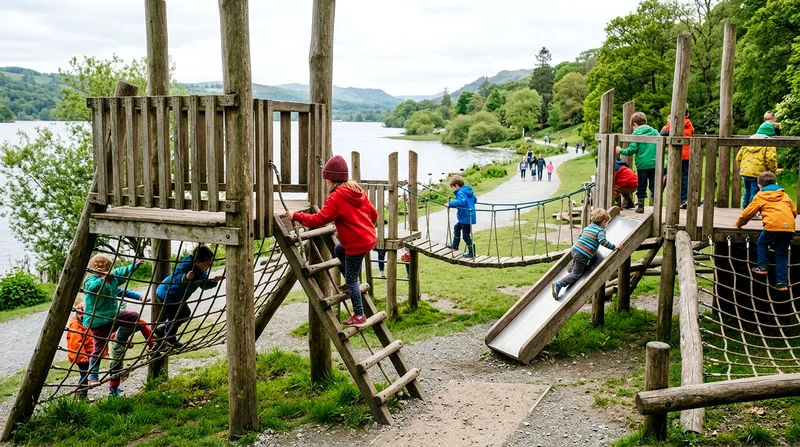
Planning Riga with kids? Compare family tours, museums, parks and outdoor activities, with age guides and booking tips for parents.
8 min read · 19 Oct 2026

Planning Riga for couples? Compare sunset cruises, spa days, wine tastings and Old Town walking tours to find the right romantic experience.
9 min read · 19 Oct 2026