Riga for seniors made easy: low-walking tours, canal boat rides, and accessible cultural experiences. Practical booking tips and accessibility details inside.
Who Riga for Seniors Tours Suit Best
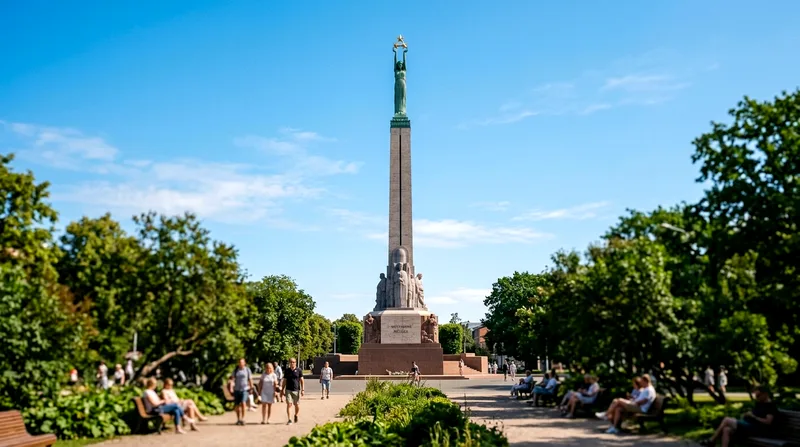
Riga is one of the more forgiving European capitals for travelers who can't or don't want to walk eight miles a day. The Old Town is compact — you can cross it end to end in about 20 minutes at a relaxed pace — and many top sights cluster within a 15-minute radius of the Freedom Monument. That said, "compact" doesn't mean "easy." A lot of the charm comes from centuries-old cobblestone streets, and those are uneven, sometimes slick after rain, and unforgiving on ankles or wheels.
This guide is for travelers who want to see Riga Cathedral, the Three Brothers houses, and the Art Nouveau District without turning the day into an endurance test. It's also for anyone traveling with a senior parent or grandparent who wants structure rather than a loosely planned wander. If your idea of a good day involves sitting down every 45 minutes, a coffee break built into the itinerary, and a guide who adjusts pace to the group, Riga has more of that than you'd expect from a secondary-tier European capital.
Limited Mobility or Stamina Concerns
If stairs, long standing periods, or sustained walking are a concern, prioritize boat tours and vehicle-based city tours over walking tours, full stop. The Riga Cathedral complex and several Art Nouveau buildings involve stairs with no reliable elevator access, and the Central Market's pavilions have uneven flooring that can be tricky with a cane or walker. Tours marketed as "low-walking" or "accessible" should specify total walking distance in kilometers or minutes — if that detail isn't listed, email the operator before booking rather than assume.
Preference for Guided, Structured Experiences
Many seniors prefer not to navigate maps, transit tickets, or restaurant menus solo in an unfamiliar city. A guided experience removes that friction — someone else handles logistics, translates menus, and times the day around meals and rest. Small-group walking tours in Riga typically run 2 to 2.5 hours with built-in stops, which suits this preference far better than a self-guided audio tour where you set an unrealistic pace trying to keep up with an app.
Main Tour Categories for Riga Seniors
Riga's tour market splits into a handful of categories, and each one suits a different stamina level and interest. None of them require booking through a specific brand — just understand what each category typically includes before you compare current listings and prices.
Canal and Boat Tours
Boat tours along the Daugava River and the city canal that loops through Bastejkalns Park are, hands down, the least physically demanding way to see Riga. Most run 1 to 1.5 hours, with fixed bench or cushioned seating, minimal boarding steps, and a guide narrating in multiple languages over a speaker system. You see the Old Town skyline, the National Theatre, and the river's working port area without a single flight of stairs. The trade-off: you view everything from a distance. You won't walk through Riga Cathedral's interior or touch the Three Brothers' facades from a boat. Treat this as the orientation tour, not the whole trip.
Walking Tours With Frequent Stops
Small-group walking tours pitched at a relaxed pace typically cover 1.5 to 2 kilometers over two hours, with stops every 10-15 minutes at benches, cafés, or shaded squares. These are the tours that actually get you inside or beside Riga Cathedral, past the Three Brothers, and through the narrow lanes near St. Peter's Church. The cobblestones are unavoidable here — bring supportive shoes, not sandals. Ask specifically whether the route includes any of Riga's steep or narrow medieval alleys, since some guides route around them for exactly this reason and others don't.
Food and Cultural Experiences
Food tours through Riga Central Market — one of Europe's largest market halls, built from repurposed Zeppelin hangars — tend to involve more standing than walking, which is a different kind of fatigue but often easier to manage with seated tasting stops. A typical market tour runs 2.5 to 3 hours and includes five or six tasting stops, mostly indoors, mostly flat flooring. Cultural tours pairing a museum visit (the Latvian National Museum of Art, for instance) with a café break are gentler still, since museums have seating, climate control, and usually at least partial elevator access — though always confirm this per venue, since not every historic building has retrofitted one.
Private vs. Group Options
Private guides cost more — often double or triple a shared group tour — but they're worth it if you need a custom pace, extra rest stops, or a route that avoids stairs entirely. A private guide will reroute around cobblestone-heavy streets on request; a group guide on a fixed itinerary generally won't, because ten other guests are on the same schedule. For couples or small family groups traveling with one senior who tires faster than the rest, a private half-day tour solves the "everyone moves at different speeds" problem better than anything else on this list.
Comparing Riga Tour Types for Accessibility
Here's the short version: if mobility is your main constraint, start with a boat tour, add a short private walking segment, and skip anything billed as a "full Old Town walking tour" unless it explicitly states a slow pace and frequent stops. The table below lines up the main categories side by side.
Boat tours require the least physical effort, while standard walking tours demand supportive shoes and tolerance for cobblestones.
Riga for seniors: tour types compared by distance, pace, and accessibility
| Tour Type | Typical Duration | Walking Distance | Pace | Accessibility Notes |
|---|---|---|---|---|
| Canal/river boat tour | 1-1.5 hours | Minimal (boarding only) | Very relaxed | Cushioned seating, low boarding step, covered option often available |
| Slow-paced walking tour | 2-2.5 hours | 1.5-2 km | Relaxed, frequent stops | Cobblestones throughout Old Town; ask about route detours |
| Market/food tour | 2.5-3 hours | Under 1 km, mostly standing | Moderate | Mostly indoor, flat flooring, seated tasting breaks |
| Museum/cultural tour | 1.5-2 hours | Under 1 km | Relaxed | Seating available; confirm elevator access per building |
| Private half-day tour | 3-4 hours | Customizable | Fully adjustable | Route can avoid stairs and cobblestones on request |
Typical figures based on common tour formats; always confirm exact distance and accessibility details with the specific tour listing before booking.
Comparison Table: Distance, Pace, Accessibility
Use this as a quick filter before you open a booking page — then check the specific tour's description for confirmed accessibility details, since wording varies operator to operator.
What to Look for When Booking Senior-Friendly Tours in Riga
Not every tour labeled "easy" or "gentle" actually is. Descriptions are written to sell, not to warn. Read past the marketing language and look for specifics: total distance, number of stops, surface type, and whether restrooms are accessible along the route.
Inclusions and Accessibility Details
Check whether the price includes transport between stops — a tour that includes a van or boat segment between the Old Town and the Art Nouveau District saves considerable walking compared to one that expects you to walk the roughly 2 km between them. Confirm whether headsets or audio guides are provided, since outdoor group tours in windy weather near the Daugava can be hard to hear otherwise. If a listing doesn't mention step-free access, assume there are stairs somewhere and ask directly before paying.
Group Size and Cancellation Policies
Smaller groups — six to ten people rather than twenty-five — move at a more forgiving pace and let a guide actually notice if someone's falling behind. Also check the cancellation window; many Riga tour operators allow free cancellation up to 24 hours ahead, which matters if weather or a bad night's sleep changes your plans. Avoid any tour requiring full prepayment with no refund option, regardless of how good the itinerary looks on paper — flexibility matters more for this traveler profile than for a 25-year-old backpacker.
Best Times to Book Riga Tours for Seniors
Riga's climate swings hard between seasons, and that matters more for comfort-focused travel than for younger, more weather-tolerant tourists. Late May through June and September offer the best balance: daytime temperatures generally sit between 16-22°C, daylight runs long, and the worst of summer's July-August crowds haven't arrived yet at the Central Market or around the Freedom Monument. Winter in Riga (December-February) brings genuinely icy, often poorly salted cobblestones in the Old Town — a real fall risk — though the Christmas market adds appeal if you're comfortable with slower, shorter outings and good boots.
Seasonal Considerations and Advance Booking
Book boat tours and popular walking tours at least two to three weeks ahead during June through August, since good small-group tours sell out and the alternative is a larger, faster-paced group. Outside peak season, booking a few days ahead is usually fine, and you'll have more use to request a private or semi-private slot at a similar price. If you're combining Riga with Jurmala's beach towns or a day trip to Sigulda's hillforts, build in a full rest day between excursions — Sigulda in particular involves more uneven terrain and hills than central Riga, so it suits a different stamina level entirely.
Frequently asked questions
Are Riga's Old Town streets accessible for wheelchairs?
Partially. Main pedestrian routes near the Freedom Monument and Dome Square have been repaved more smoothly, but many side streets near Riga Cathedral and the Three Brothers remain original cobblestone — difficult for manual wheelchairs and uncomfortable even in powered ones. Plan routes in advance using a map, or book a private guide who knows the smoother paths, rather than assuming the whole district is level.
Which tours involve the least walking?
Canal and river boat tours along the Daugava involve the least walking by far — typically just a short approach to the dock and a low step aboard. Bus or van-based city tours come second, since they stop at viewpoints rather than requiring extended walks between sights. Standard Old Town walking tours involve the most, often 1.5-2 km over uneven surfaces.
Can I book private tours for seniors in Riga?
Yes, and it's often the better choice if mobility varies within your group. Private guides typically cost more than joining a shared group tour but will adjust pace, add rest stops, and reroute around stairs or rough cobblestones on request — flexibility a fixed-departure group tour can't offer.
What accessibility features should I confirm before booking?
Ask about total walking distance, surface type (cobblestone versus paved), number of stairs, availability of seating or rest breaks, and restroom access along the route. For boat tours, confirm boarding height and whether seating is cushioned or fixed benches. Don't rely on the word "easy" alone — request specifics in writing before paying.
Is it better to visit Riga in summer or winter as a senior?
Late spring (May-June) or early autumn (September) generally work best — mild temperatures, long daylight hours, and manageable crowds. Winter brings icy cobblestones and short daylight, which raises fall risk significantly in the Old Town, even though the Christmas market has real charm if you're prepared with proper boots and a slower itinerary.