Comparing free things to do in Riga vs paid attractions: which museums and tours earn their ticket price, and where self-guided exploration wins.
Free Things to Do in Riga vs Paid: Setting the Budget Logic
Riga offers world-class sights at minimal cost — but knowing which experiences justify paid entry separates smart travelers from budget tourists who either overspend on mediocre tours or skip the one museum that actually explains the city. The free things to do in Riga vs paid question isn't really about frugality. It's about where your money buys understanding you couldn't get by just looking.
Walk through Vecrīga for an afternoon and you'll see the House of the Black Heads, the Freedom Monument, and the Powder Tower without paying a cent. That covers maybe 60% of what a first-time visitor wants from Riga. The remaining 40% — the Soviet occupation, the specifics of Jugendstil architecture, the inside of the Central Market's old zeppelin hangars — often needs either a ticket or a guide who knows what you're looking at. This page breaks down exactly which is which, with real numbers, so you don't guess.
Free Attractions at a Glance
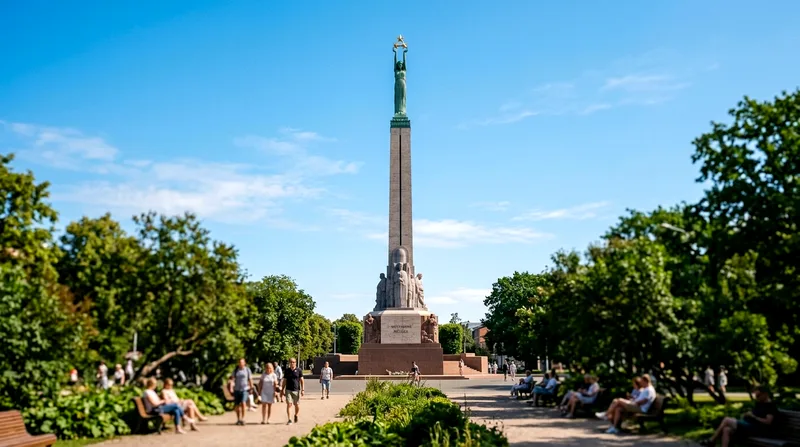
Riga's Old Town is compact enough to cover on foot in half a day, and almost everything structurally interesting sits outdoors. The Freedom Monument, Riga's main national symbol since 1935, stands in open air near Vērmanes Garden and costs nothing to view — though the changing of the guard, if you time it, adds a few minutes of genuine spectacle. The House of the Black Heads facade and the Powder Tower (one of the old city's original fortification towers, now housing the War Museum) are both free to photograph and admire from outside.
Don't skip Riga Central Market just because you're not buying anything. Housed partly in former Zeppelin hangars from the 1930s, it's one of the largest markets in Europe and free to wander — budget 45 minutes to an hour if you want to see all five pavilions plus the outdoor stalls. It's also genuinely useful for cheap food: a filled pastry or bowl of soup runs €2-4, which beats most Old Town cafés on price and authenticity.
Old Town walking routes
A self-guided loop through Vecrīga — starting at the Freedom Monument, through Livu Square, past the House of the Black Heads and St. Peter's Church exterior, ending at the Riga Castle — takes about two hours at a relaxed pace with photo stops. I'd recommend doing this early morning, before 9am, when the cobblestones are empty and tour groups haven't arrived. Doing it at midday in summer means dodging cruise ship crowds, since Riga's port brings in several large groups a day during peak season.
Parks and riverfront
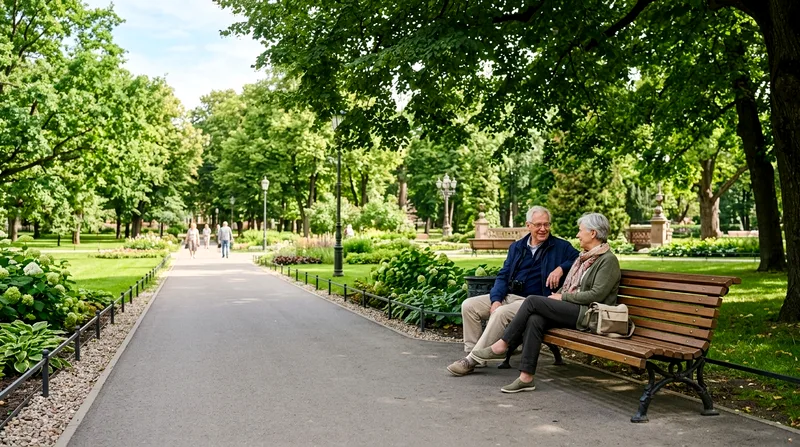
Bastejkalna Park, right beside the Freedom Monument, has a canal you can paddle (that part isn't free, around €8-10/hour for a boat) but the walking paths and bridges cost nothing and are genuinely pleasant for an hour. The Daugava riverfront promenade gives you the best skyline views of Old Town, especially at sunset, and connects easily to the Vanšu Bridge crossing on foot. Vērmanes Garden, Riga's oldest public park, is smaller and quieter — good for a picnic bought at the Central Market rather than a sit-down lunch.
Paid Experiences Worth Your Money
Not every museum in Riga earns its entry fee, and I'd rather tell you that upfront than send you to something mediocre. The one I'd prioritize without hesitation is the Museum of the Occupation of Latvia, which covers the Soviet and Nazi occupations between 1940 and 1991. Entry is typically in the €0-6 range (it has run free at points, so check current pricing when you arrive), and the exhibits — actual artifacts from deportations, gulag reconstructions, personal testimonies — explain modern Latvian identity in a way no plaque or free walk can. Budget 90 minutes minimum.
The Latvian National Museum of Art is the other strong contender, particularly if you care about Baltic painting from the late 19th and early 20th centuries. Entry runs roughly €6-9 for adults, with discounts for students and seniors, and the building itself — restored to its 1905 grandeur — is worth the ticket even if the collection isn't your usual taste.
Museums with unique narratives
Skip generic "wax museum" or novelty attractions that cluster near Old Town's tourist strip — they're priced like real museums (€8-12) but deliver little that connects to Riga specifically. Instead, prioritize places with a story tied directly to Latvia: the Occupation Museum, the Riga Ghetto and Latvian Holocaust Museum (free entry, donation-based), and the Art Nouveau Centre on Alberta iela, which for around €9 gets you into a real restored apartment showing how Riga's wealthy lived during the Jugendstil boom around 1900-1910.
Guided tours vs self-guided
A paid guided walking tour (typically €15-25 for a 2-3 hour group tour) earns its price mainly in the Art Nouveau district, where unguided visitors tend to just photograph building facades without knowing why they look the way they do. A knowledgeable guide explains the symbolism, the architects (Mikhail Eisenstein chief among them), and the difference between Romantic and Perpendicular Art Nouveau styles — details you won't pick up from a self-guided stroll. For Old Town itself, though, a free tip-based walking tour or a self-directed route works nearly as well, since the landmarks are self-explanatory with a decent guidebook or map app.
Head-to-Head: Time, Cost, and Crowds
Compare this to other Baltic and Northern European cities and Riga looks like good value. Tallinn's Old Town charges separately for several towers and viewpoints that are free equivalents in Riga; Helsinki's museum prices run noticeably higher, often €15-20 for comparable collections. Riga sits closer to Krakow or Gdansk in overall cost — reasonably priced museums, cheap street food, affordable public transport (a single tram or bus ticket costs around €2).
Free self-guided sights in Riga cover the landmarks, while paid entry pays off mainly for museums with specific historical narratives.
Free things to do in Riga vs paid attractions compared by cost, time, and value
| Activity | Typical Cost | Time Needed | Best For | Crowd Level |
|---|---|---|---|---|
| Old Town walking route | Free | 2 hours | First-time visitors | High midday |
| Riga Central Market | Free | 45-60 min | Food lovers, budget travelers | High, all day |
| Bastejkalna Park & riverfront | Free (boat rental extra) | 1 hour | Couples, families | Low-moderate |
| Museum of the Occupation of Latvia | approx. €0-6 | 90 min | History-focused travelers | Low-moderate |
| Latvian National Museum of Art | approx. €6-9 | 1.5-2 hours | Art enthusiasts | Low |
| Art Nouveau Centre tour | approx. €9-25 | 1-2 hours | Architecture fans | Low-moderate |
| River cruise on the Daugava | approx. €15-20 | 45 min | Casual sightseers | Moderate, seasonal |
Prices are typical ranges and change with season and discounts; check current prices before booking.
Effort and accessibility
Free attractions require more of your own effort — you need a map, a plan, and patience with signage that's sometimes Latvian-only. Paid tours remove that friction entirely; you show up, someone else navigates. If you're traveling solo and enjoy figuring things out, free self-guided routes are more satisfying. If you're traveling with kids or have limited mobility, a paid tour or a hop-on hop-off option reduces walking confusion and decision fatigue considerably.
Value per euro spent
On a strict per-euro basis, the Central Market and Old Town walks deliver the most experience for zero cost. The Occupation Museum delivers the most insight per euro among paid options — a handful of euros for genuinely moving, historically significant content. Where paid value drops off fast is novelty attractions and overpriced river cruises (€15-20 for 45 minutes) that show you the same skyline you'd get free from the Vanšu Bridge.
Who Should Choose What
There's no single right split between free and paid in Riga — it depends on how you travel and what you came for. A senior traveler with two days and an interest in 20th-century history should weight spending toward the Occupation Museum and skip the river cruise. A family with young kids might get more mileage from the free Central Market (kids like the chaos of it) than from a guided architecture walk they won't follow.
For backpackers and budget travelers
If you're on a tight budget, you can genuinely see 80% of Riga's highlights for under €10 total across two days: free walking routes, free parks, a market lunch, and maybe one cheap museum entry. Skip the paid river cruise and the wax-museum-style attractions entirely — they're the weakest value in the city. Stay near Vecrīga but not inside it, since accommodation drops noticeably in price a 10-15 minute walk out, and you'll still reach everything on foot.
For families and cultural enthusiasts
Families and travelers who prioritize depth over quantity should budget for two or three paid entries — Occupation Museum, National Museum of Art, and perhaps a guided Art Nouveau walk — alongside the free Old Town and market visits. Expect to spend roughly €25-40 per adult on paid attractions across a three-day visit, which compares favorably to a similar itinerary in Helsinki, where museum entries alone often exceed that. Vilnius runs slightly cheaper than Riga on paid attractions, but has fewer museums with the same narrative depth as the Occupation Museum.
The Verdict: Your Riga Budget Plan
The best Riga itinerary blends free self-guided exploration with one or two high-value paid experiences that match your interests and budget. Spend your money narrowly and deliberately: the Occupation Museum for history, the Art Nouveau Centre or a guided tour of Alberta iela for architecture, and the National Museum of Art if painting interests you. Everything else — the Old Town walk, the Central Market, Bastejkalna Park, the Daugava riverfront — costs nothing and delivers most of what people actually remember about Riga.
If you're extending the trip, consider how this compares to the rest of the region. Sigulda, an easy day trip by train (about one hour, under €3 each way), offers free hiking and castle ruins that mirror Riga's own free-vs-paid logic — the castle grounds are free, the bobsled track experience is paid and optional. Jurmala's beach is free to access but its spa facilities aren't. The pattern holds across the Baltics: outdoor and historic city-center sights tend to be free, specific curated experiences tend to be paid, and the trick is choosing two or three paid ones that actually add understanding rather than just filling an itinerary slot.
Frequently asked questions
What are the best free things to do in Riga?
Walking Vecrīga's core streets, visiting Riga Central Market, strolling Bastejkalna Park and the Daugava riverfront, and viewing the Freedom Monument and House of the Black Heads exteriors are all free. Together they cover roughly a day and a half of solid sightseeing without a single ticket purchased.
Which paid attractions in Riga are worth the money?
The Museum of the Occupation of Latvia offers the strongest value for its modest entry fee, given the depth of its 1940-1991 history content. The Art Nouveau Centre and guided architecture tours of Alberta iela are also worth booking if that style of building interests you; skip novelty attractions near the Old Town tourist strip.
How much should I budget for activities in Riga?
For a three-day visit mixing free sights with two or three paid museum entries, budget roughly €25-40 per person on activities, plus €2-4 per meal if you eat at the Central Market. Add transport tickets at around €2 per ride if you're not walking everywhere.
Are there free walking tours in Riga?
Yes, tip-based free walking tours run daily in season, typically departing from near the Freedom Monument and lasting around two hours. They cover the same landmarks you could see solo, so they're most useful if you prefer a guide's commentary over a self-made plan — tipping €5-10 is standard practice.
What is the cheapest way to explore Riga?
Walk everywhere inside Vecrīga — it's compact enough that you rarely need transport — and treat the Central Market as your main meal stop rather than restaurants. Stick to free parks and riverfront walks for downtime, and choose a single paid museum (the Occupation Museum is the best pick) rather than a stack of paid tickets.