Latvian Ethnographic Open-Air Museum tickets, prices, hours and directions from Riga. Plan a half-day visit with transport and tour tips.
What Is the Ethnographic Open-Air Museum
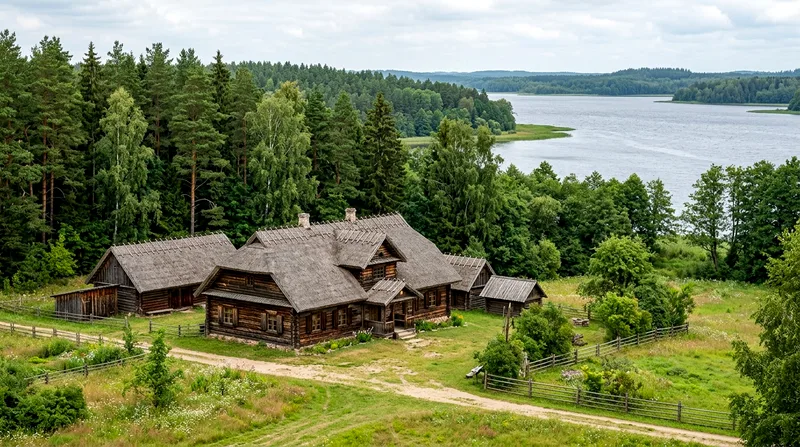
The Latvian Ethnographic Open-Air Museum sits on the eastern edge of Riga, on wooded land along Lake Jugla, about 10 kilometers from the city center. It's not a single building but an entire reconstructed landscape — over 118 historic structures moved here from across Latvia, arranged by region, so you walk from the fishing villages of the Baltic coast into the farmsteads of inland Latgale within the space of an hour. If you've been to Skansen in Stockholm or similar open-air museums in Scandinavia, the concept is familiar, but this is the largest of its kind in the Baltic states and genuinely worth comparing to anything in Tallinn or Vilnius.
Anyone searching for Latvian Ethnographic Open-Air Museum tickets should understand what they're buying into first: this is an outdoor walking museum, not a climate-controlled gallery. That matters for footwear, timing, and expectations.
Museum history and cultural significance
The museum opened in 1924, making it one of the older open-air museums in Europe, and it was built specifically to preserve rural Latvian architecture before industrialization and later Soviet collectivization erased it. Buildings were dismantled piece by piece in their original villages and reassembled here — a method that keeps the construction techniques and materials authentic, down to the wooden pegs and thatched or wood-shingle roofs. During the Soviet period the museum kept functioning, somewhat unusually, as a sanctioned space for ethnic Latvian heritage at a time when public expression of national identity was otherwise restricted. That history gives the site a weight beyond its photogenic log cabins.
Number of buildings and exhibits
Expect around 118 buildings spread across four regional sections — Kurzeme, Vidzeme, Zemgale, and Latgale — plus a fishermen's village section near the lake. Interiors include windmills, a wooden church from the 18th century, taverns, and full farmstead complexes with barns, granaries, and threshing houses. Many interiors are only open and staffed during the warmer months, when costumed demonstrators do weaving, pottery, or blacksmithing. In winter, you can still walk the grounds, but a good number of doors stay locked, which changes the experience considerably.
How to Get There from Central Riga
The museum address is Brīvības gatve 440, on the Riga side of Lake Jugla, and the trip from the Old Town takes roughly 25–35 minutes depending on your transport mode and traffic. It's a straightforward add-on to a Riga itinerary that already includes Jurmala or Sigulda day trips, since all three sit in roughly the same direction out of the city, though not close enough to combine into one single loop without planning.
Public transportation options
From central Riga, bus and minibus (microbus) routes run along Brīvības gatve toward the museum stop, with the ride taking about 30 minutes from near the National Theatre or similar central points. Fares run a few euros and you pay in cash or by card depending on the operator. Rome2rio is a decent tool for checking current route numbers and live connections before you go, since Riga's bus numbering does shift occasionally. If you're not fluent in reading Latvian transit signage, download the route in advance — stop announcements aren't always in English.
Driving and parking information
Driving is the easiest option if you have a rental car — it's a direct route out along Brīvības gatve and there's a free parking lot at the museum entrance that rarely fills up except on summer weekends with festivals. A taxi or rideshare from the Old Town costs roughly €8–15 one-way depending on traffic and time of day, which is reasonable if you're traveling as a couple or small family and want to skip bus transfers. I'd avoid driving only if you're visiting during one of the museum's big seasonal fairs — parking gets genuinely tight and traffic backs up along the lakeside road.
Tickets, Hours and Admission Prices
Admission to the Latvian Ethnographic Open-Air Museum is inexpensive by Western European museum standards — expect to pay somewhere in the range of €6–10 for a standard adult ticket, with discounts for students, seniors, and children, and family tickets usually available too. Prices and categories do get updated periodically, so treat any figure here as a guide rather than gospel, and confirm current admission on the museum's own site or through Latvia.travel before you go. You can typically buy tickets on-site at the entrance kiosk without any trouble — this isn't an attraction that sells out, unlike some Riga food tours or the Riga Central Market walking tours during peak summer.
Admission to the Ethnographic Open-Air Museum is cheaper and faster to reach than most comparable Baltic day trips from Riga.
Latvian Ethnographic Open-Air Museum tickets compared to nearby Baltic day-trip options
| Option | Distance from Riga center | Typical visit length | Approx. admission | Best for |
|---|---|---|---|---|
| Ethnographic Open-Air Museum | 10 km | 3-4 hours | €6-10 | Folk history, families, walking |
| Jurmala beach & villas | 25 km | Half day | Free (beach) | Beach time, architecture |
| Sigulda castles & cable car | 55 km | Full day | €5-8 per site | Hiking, castles, views |
| Tallinn Open Air Museum (Estonia) | Separate city | 2-3 hours | Similar range | Comparison trip, Estonia visits |
| Vilnius Old Town (Lithuania) | Separate city | Full day | Free (walking) | Baroque architecture |
Admission figures are typical ranges and change periodically; confirm current prices on the museum's official site before visiting.
Ticket types and pricing breakdown
Basic grounds admission covers access to the exterior of every building and the lakeside paths. Some special exhibitions, craft workshops, or seasonal events charge a small additional fee on top of general admission — a pottery or weaving demonstration ticket, for instance, might add a few extra euros. If you want a guided walk with an official museum guide rather than a third-party operator, that's usually booked separately and priced per group rather than per person, so it works out cheaper for families or groups of four or more. Platforms like Trip.com and Expedia sometimes bundle the museum into half-day excursion packages with transport included, which can be worth the markup if you don't want to deal with buses.
Opening hours and seasonal schedules
The grounds are generally open daily, roughly 10am to 5pm in the colder months and extending to around 8pm during peak summer, though exact closing times shift by season and are worth double-checking close to your visit date. Building interiors and staffed craft demonstrations mostly run during the warmer season, roughly May through September, so a January visit will look and feel very different from an August one. The museum does close or adjust hours around major Latvian public holidays — confirm this if you're planning around Easter, Midsummer (Jāņi), or Christmas, since those are also the dates with the best special events.
Guided Tours and Tour Operators
Guided tours add real value here specifically because the museum spreads across nearly 90 hectares of forest, and without context a visitor can walk past a 300-year-old threshing barn and mistake it for a modern shed. A good guide explains the regional differences in roof construction, why Latgale farmsteads look different from Kurzeme fishing cottages, and what daily peasant life actually involved — details that aren't always well signposted in English on the buildings themselves.
Independent vs. guided tour options
Going independently is cheaper and more flexible — you set your own pace, skip sections that don't interest you, and linger at the lakeside or the working windmill as long as you like. The downside is you'll likely miss cultural context unless you read every posted sign carefully, and not everything is translated. Guided tours, whether booked through the museum directly or through operators like Baltic Tours, typically run 1.5 to 2 hours and are led in English on a set schedule, which suits travelers with limited time or those who prefer structured storytelling over self-directed wandering. For solo travelers or couples with a loose schedule, independent visits usually make more sense; for families wanting to keep kids engaged, a guide's stories about blacksmiths and bread ovens tend to hold attention better than wall text.
Tour packages and inclusions
Half-day package tours booked through Trip.com, Expedia, or local operators like Baltic Tours typically bundle round-trip transport from central Riga hotels, a guided walk of roughly 90 minutes, and sometimes a stop at a nearby craft workshop or the Jugla lakeside viewpoint. These packages run higher than DIY admission plus bus fare, naturally, but they remove the transit guesswork, which matters more to senior travelers or anyone visiting Riga for just a day or two. Always check what's included — some packages quote a price that excludes the museum admission fee itself, which catches people out.
Best Time to Visit and What to See
Late May through early September is the clear sweet spot. Craftspeople are on-site demonstrating weaving, basket-making, and blacksmithing, farmstead interiors are unlocked, and the museum often hosts folk-craft fairs or seasonal markets, particularly around Midsummer in late June, which is one of the best cultural events in the Riga area if you're there at the right time. Compare this to a winter visit to Sigulda's castles — both are atmospheric in snow, but the Ethnographic Museum loses more of its interactive character without the seasonal staff.
Seasonal weather and visitor flow
Weekday mornings are consistently quieter than weekend afternoons, especially in July and August when tour buses and local families both show up. If you want a near-empty experience, aim for a Tuesday or Wednesday before noon. Spring (April–May) and early autumn (September) offer a reasonable trade-off: fewer crowds than peak summer, mild weather, and most interiors still staffed. Winter visits are atmospheric if you like empty snow-covered paths, but bring real boots — the forest paths aren't paved and get muddy or icy depending on the week.
Recommended itinerary for half-day visits
Budget 3–4 hours minimum if you want to see all four regional sections plus the lakeshore fishing village. A realistic half-day plan: arrive by 10am, start with the Kurzeme and fishing village buildings near the lake, work inland through Zemgale and Vidzeme, and finish at the Latgale section and windmill near the far entrance — then loop back for lunch at the on-site café. Trying to see everything in under 90 minutes means you'll mostly be looking at building exteriors without absorbing much context, which defeats the point of coming at all.
Nearby Attractions and Add-Ons
The museum works well as a half-day trip rather than a full-day one, which leaves room to pair it with something else on the same day or the next. It's considerably more low-key than Riga's Old Town attractions, and that contrast is part of the appeal.
Combination visits and nearby sites
Jurmala's beach and Art Nouveau villas sit about 25 kilometers from the museum, making a combined day feasible if you start early and have a car, though doing both by public transport in one day is tight and not something I'd recommend. Sigulda, with its castle ruins and bobsleigh track, requires a separate day since it's in the opposite direction, roughly an hour from Riga. Within Riga itself, pairing the museum with a Central Market visit or a riverside walk along the Daugava makes for a reasonable full day without overloading on transit time.
Food and on-site amenities
There's an on-site tavern-style café serving traditional Latvian food — expect rye bread, smoked fish, and grey peas with bacon, priced moderately compared to central Riga restaurants. Restrooms and a small gift shop selling handmade crafts and linen goods are near the main entrance. Don't expect much beyond that — there's no large visitor center or extensive indoor facilities, so pack water and snacks if you're visiting with kids who tire of walking.
Frequently asked questions
How much do tickets cost for the Ethnographic Open-Air Museum?
Standard adult admission typically falls in the €6–10 range, with reduced rates for students, seniors, and children, plus family ticket options. Some craft demonstrations or special exhibitions carry a small extra fee. Prices are adjusted periodically, so check the museum's official listing or Latvia.travel shortly before your visit rather than relying on older sources.
How do I get to the museum from central Riga?
Public bus or minibus routes along Brīvības gatve reach the museum in about 30 minutes from central Riga for a few euros; check current routes on Rome2rio before heading out. Driving takes roughly 25 minutes with free on-site parking. A taxi or rideshare runs approximately €8–15 one-way and is the simplest option for families or those short on time.
Are guided tours available and what do they include?
Yes — guided walks, whether booked directly through the museum or via operators such as Baltic Tours or packages on Trip.com and Expedia, typically run 90 minutes to two hours in English and cover regional architecture, farm life, and craft traditions. Packaged half-day tours often add round-trip transport but sometimes exclude the museum admission fee, so read inclusions carefully.
What are the opening hours and best time to visit?
The grounds generally open daily around 10am, closing near 5pm in winter and up to 8pm in summer, though exact hours shift seasonally. Late May through early September is best, since craftspeople staff the farmstead interiors and seasonal events like Midsummer fairs take place. Weekday mornings are noticeably quieter than summer weekends.
How long does a typical visit take?
Plan for 3–4 hours to see all four regional sections and the lakeside fishing village properly. A rushed 90-minute visit only covers building exteriors near the entrance and skips most of the cultural context that makes the site worth visiting in the first place.