Planning a Riga Central Market visit? Compare guided tours vs independent exploring, check hours, and find the best Latvian foods to try.
What is Riga Central Market and Why Visit
Riga Central Market sits a five-minute walk from Old Town Riga, between the train station and the Daugava River, and it's routinely described as the largest market in Europe by covered area — a claim worth qualifying, since it refers specifically to the historic market zone registered with UNESCO, not footfall or turnover. Either way, it's big: five pavilions plus an outdoor sprawl of stalls selling everything from pickled vegetables to phone cases. A Riga Central Market visit isn't really optional if you want to understand how Latvians actually eat, because this is where that happens daily, not for tourists.
Market history and five pavilions
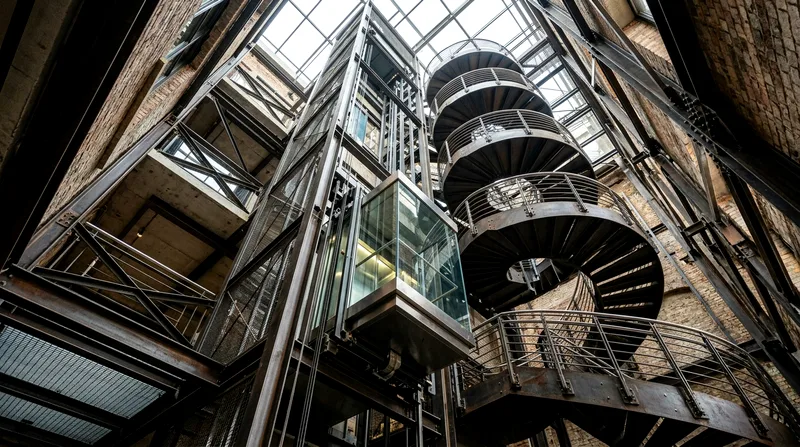
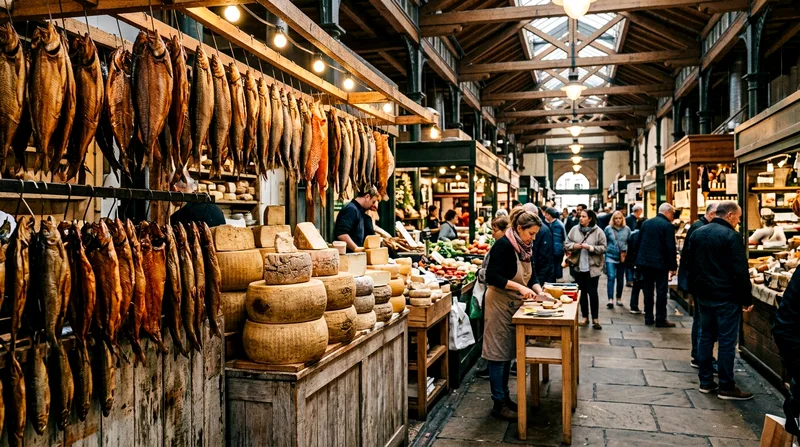
The five main pavilions were built between 1924 and 1930, repurposed from German Zeppelin hangars left over from the First World War — you can still see the curved steel ribs overhead in each one. They're organized by product: Meat Pavilion, Fish Pavilion, Dairy Pavilion, Vegetable Pavilion, and the smaller Gastronomy Pavilion, which functions more like a food court. The Spice Pavilion isn't a separate building but a section, usually tucked within or near the Vegetable Pavilion, selling dried herbs, teas, and spice blends by weight. UNESCO added the market to its tentative World Heritage list decades ago, recognizing the hangar-to-market conversion as an unusual piece of urban reuse.
Why it's essential for food and culture
This isn't a market built for Instagram, and that's precisely its value. You'll see babushkas haggling over dill, workers grabbing a fast lunch of herring and rye bread, and vendors who've worked the same counter for twenty years. If you only do one food-focused activity in Latvia, this beats a staged "traditional dinner" because the prices and the customers are real. Compare it to Krakow's indoor food halls or Gdansk's market squares — those feel curated for visitors. Riga Central Market still feels like it belongs to the city first.
How to Visit: Independent vs Guided Tours
Most visitors do fine without a guide, and I'd lean that way myself unless food history genuinely interests you. The market's layout is logical enough — pavilions are labeled by product type — and nothing requires a reservation. But a guided tour solves a real problem: without local knowledge, it's hard to know which stalls sell genuinely traditional Latvian products versus generic imported goods, and a non-Latvian-speaking visitor can struggle to ask vendors questions about ingredients or preparation.
A guided food tour costs more but solves the language and selection problem that trips up most independent visitors.
Riga Central Market visit options compared: independent, guided tour, and quick stop
| Visit style | Typical duration | Approx. cost | Best for | Language help |
|---|---|---|---|---|
| Independent, self-guided | 1–2 hours | Cost of food only, no entry fee | Budget travelers, repeat visitors | None, signage mostly Latvian/Russian |
| Small-group food tour | 2–3 hours | Mid-range, varies by operator | First-timers, food-focused travelers | Yes, guide included |
| Quick walkthrough (no tasting) | 20–30 minutes | Free | Time-limited sightseers | None needed |
| Private guided tour | 2–4 hours | Higher, per group not per person | Families, small groups wanting flexibility | Yes, tailored pace |
Figures are typical ranges; always check current prices and tour inclusions before booking.
Self-guided exploration tips
Go hungry and bring cash — many smaller stalls don't take cards, though pavilion-based shops generally do. Start at the Dairy Pavilion for quark, farmer's cheese, and smoked cheese samples, then move to the Meat Pavilion for Latvian smoked sausages. The Fish Pavilion is where you'll find smoked sprats and Baltic herring, both worth tasting even if you don't plan to buy. Budget 90 minutes minimum if you want to actually taste rather than just walk through. Skip the temptation to buy perishable items early — smoked fish and fresh dairy don't travel well if you've got a full day of sightseeing left.
Guided food tour benefits
A small-group food tour, typically two to three hours, usually includes five to eight tastings across different pavilions and a walk through the market's less obvious corners — the outdoor flea-market section, for instance, which independent visitors often miss entirely. Guides can also explain Soviet-era and pre-Soviet history tied to specific stalls, context you won't get reading signage, since most of it is in Latvian and Russian only. The trade-off is cost and schedule: guided tours run at fixed times and cost more than buying the same food yourself, but they remove the guesswork about what's actually good. Compare current food tours and prices before you book, since options and tasting counts vary by operator.
Entry, Tickets and Getting Around
There's no admission fee and no ticket required to enter any pavilion or the outdoor stalls — this surprises some visitors who've read "tickets" in search results and expect a gate fee. What you're actually paying for, if anything, is food, goods, or an organized tour experience layered on top of free access.
Free entry and pavilion access
All five pavilions and the surrounding outdoor market are open to the public with no barrier, no bag check, and no timed entry slots. The market generally operates daily, with earlier closing on Sundays — outdoor stalls tend to wind down faster than the indoor pavilions, so if you want the full outdoor experience, don't leave it for late afternoon. Some vendors close individual stalls earlier depending on stock, especially the fish sellers, who often sell out of the best smoked items by early afternoon.
Navigation and payment methods
Each pavilion has a dominant product type, but navigation still trips people up because the outdoor stalls blend clothing, electronics, and food vendors together without much signage logic. Download an offline map of central Riga beforehand, or just use the train station as your anchor point — the market sits directly behind it. Card payment is common in the indoor pavilions but far less reliable outdoors; carry small euro notes and coins, since many stall owners can't break a €50 note for a €2 purchase.
Best Time to Visit and What to Expect
The best time to visit Riga Central Market depends on what you want from it. Weekday mornings, roughly 8 to 10 a.m., are quietest and give you the best access to vendors who'll actually chat if you ask questions. Weekends are busiest, particularly Saturday late morning, when locals do their weekly shopping alongside the tourist traffic.
Seasonal crowds and weather
Summer brings more tourists but also better outdoor produce — berries, fresh herbs, and seasonal vegetables that simply aren't available in the indoor pavilions come winter. Winter visits mean you're mostly confined to the indoor pavilions, which is fine since the Zeppelin hangars are heated, but you lose the outdoor stalls' energy. If you're comparing this to outdoor markets in Jurmala or Sigulda, understand that Riga's market is primarily an indoor, year-round operation — it doesn't shut down or shrink dramatically in winter the way smaller resort-town markets do.
Peak hours and quieter times
Avoid arriving right at lunch on a Saturday if you dislike crowds — stall aisles narrow fast and some counters form short queues. Late afternoon on weekdays, after 4 p.m., is noticeably calmer but you'll find reduced stock, particularly at fish and bakery stalls. If photography matters to you, early morning light through the pavilion's steel-framed windows is the best window, before foot traffic peaks and before condensation fogs up the glass in colder months.
Nearby Attractions and Add-Ons
The market's location is genuinely one of its strengths — you can fold it into a half-day Old Town itinerary without adding significant travel time, which isn't true of every Riga attraction.
Old Town walking distance
Old Town Riga is roughly a 10 to 15 minute walk from the market, passing the Riga Central Station and crossing into the medieval streets near St. Peter's Church. This makes a natural pairing: market in the morning for breakfast and browsing, then Old Town for the afternoon covering the House of Blackheads, the Freedom Monument, and the narrow lanes around Dome Square. Compare this to Vilnius, where the old town and main market areas sit further apart — Riga's compact layout genuinely saves you time.
Daugava River and parks nearby
The Daugava River runs just behind the market, and a short walk along its embankment gives you views back toward Old Town's spires without the crowds. It's a reasonable spot to eat whatever you've bought at the market — smoked fish, rye bread, pickled vegetables — rather than paying for a sit-down restaurant. If you've got extra time in Latvia, this river corridor also connects loosely to day-trip thinking: Jurmala's beach towns sit roughly 30 minutes away by train, and Sigulda's castles and gorge trails are about an hour out, both reasonable add-ons if the market leaves you wanting more of the country beyond the capital.
Frequently asked questions
Is entry to Riga Central Market free?
Yes. There's no admission charge for any of the five pavilions or the outdoor stalls. You only pay for what you eat or buy, or for an optional guided tour layered on top of the free access.
What is the best time to visit Riga Central Market?
Weekday mornings between 8 and 10 a.m. offer the quietest experience with full stock and attentive vendors. Saturday late morning is busiest but gives the most authentic sense of locals doing weekly shopping, if you don't mind crowds.
Can you take a guided tour of Riga Central Market?
Yes, small-group food tours typically run two to three hours and include multiple tastings across pavilions, plus historical context about the Zeppelin-hangar buildings. Private tours are also available for families or small groups wanting a flexible pace. Check current tour options and prices before booking.
What are the must-try foods at Riga Central Market?
Smoked sprats and Baltic herring from the Fish Pavilion, farmer's cheese and quark from the Dairy Pavilion, and Latvian smoked sausage from the Meat Pavilion are the standard highlights. Rye bread, sold throughout the market, pairs with nearly everything and is a genuine Latvian staple worth tasting fresh.
How long should you spend at Riga Central Market?
Budget 90 minutes to two hours for a self-guided visit with tasting stops. A guided food tour runs two to three hours. A quick walkthrough without eating anything can be done in 20 to 30 minutes, though that undersells what the market offers.