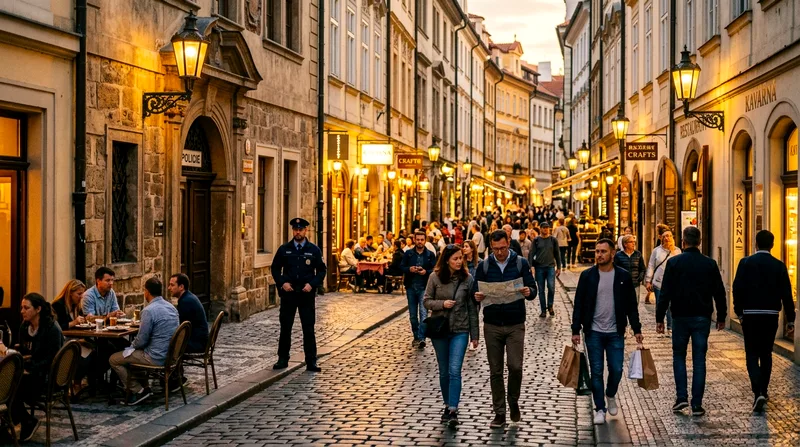
Is Riga Safe? Safety Tips for Travellers
Is Riga safe? Read our guide to neighbourhood safety, solo travel tips, scams to avoid, and emergency contacts for peace of mind in Latvia's capital.
10 min read · 19 Oct 2026
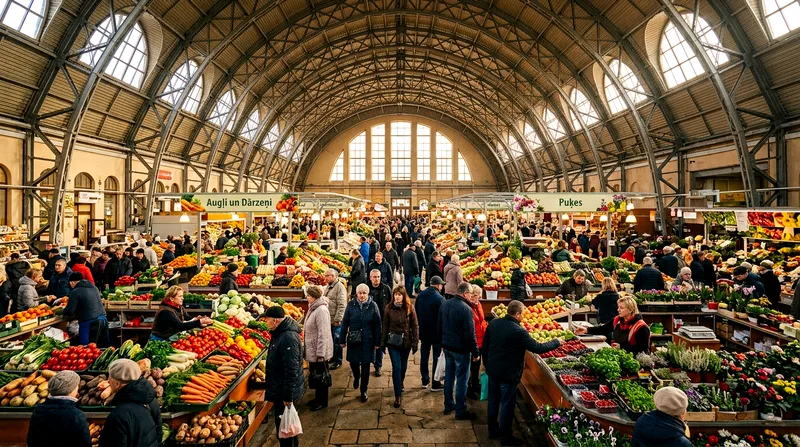
Riga Travel Guide
A practical Riga travel guide covering neighborhoods, transport, food, and seasonal advice for first-time visitors to Latvia's capital.
Riga sits far enough north that the season you pick shapes the trip more than almost any other decision. Summer (June to August) brings long daylight — sunset after 10pm in late June — mild temperatures around 18-23°C, and the Old Town at full capacity with tour groups and cruise-ship day-trippers. Spring and autumn shoulder months, particularly May and September, give you workable weather (12-18°C), thinner crowds, and lower accommodation rates, which is why I'd steer most travelers there over peak July.
Winter is a different proposition entirely. Riga gets genuinely cold, often below freezing from December through February, with short days — sunset by 4pm in December. But the Christmas market in Dom Square and snow on the Art Nouveau facades have their own appeal, and hotel prices drop noticeably. If you're not a cold-weather traveler, skip it; if you are, it's arguably the moodiest, most atmospheric version of the city.
Expect the heaviest foot traffic in Old Town from mid-June through August, plus a spike around Midsummer (Jāņi, June 23-24), when much of the city empties out as locals head to the countryside — some restaurants close for a day or two. Cruise ship arrivals, mostly May through September, dump several thousand visitors into the Old Town for a few hours at a time; if you want those cobblestone streets without the crowd, go before 9am or after 6pm. Shoulder season (April-May, September-October) is genuinely the sweet spot: fewer tour groups, still-open outdoor seating, and museums without queues.
Summer accommodation in central Riga runs noticeably higher than winter — expect double in some Old Town hotels between January and July. If you're budget-conscious, aim for shoulder season or book a hotel outside the immediate Old Town walls, where prices drop even in peak summer. Food and transport costs stay fairly stable year-round; it's lodging and flights where seasonality bites hardest. Riga's low-cost carrier connections (easyJet, Wizz Air, Ryanair to various EU hubs) also get pricier and more heavily booked around Midsummer and Christmas market season.
Riga's core is small enough to misjudge on a map — you can walk from the Old Town to the edge of the Art Nouveau district in about 20 minutes. But each area has a genuinely different character, and conflating them is the most common first-timer mistake.
Vecrīga, the Old Town, is where Riga Castle, the House of the Blackheads, and the main cathedral cluster sit within a few hundred meters of each other. It's genuinely medieval in street layout, UNESCO-listed, and almost entirely pedestrianized — good for families with strollers, less good if you hate crowds in July. The downside: restaurant prices inside the walls run 20-30% above what you'll pay two blocks outside, and several spots cater obviously to tour groups rather than locals. Use it for sightseeing in the morning, then eat elsewhere.
Head north along Alberta iela and Elizabetes iela and you hit one of the densest concentrations of Art Nouveau (Jugendstil) architecture in Europe — denser, by most architectural surveys, than anything in Vienna or Barcelona's equivalent districts. Roughly a third of buildings in central Riga carry some Art Nouveau elements. Architect Mikhail Eisenstein's facades on Alberta iela are the standout, with sculpted faces, peacocks, and geometric ornamentation worth a dedicated hour just looking up. There's a small Art Nouveau Centre museum on Alberta iela 12 if you want interior context, not just street-level photos.
Riga's city center is compact enough that walking covers most sightseeing — Old Town to the Art Nouveau district to the Central Market forms a rough triangle you can cross on foot in under 30 minutes each way. For anything beyond that, the public transport network (trams, trolleybuses, buses) is reliable, cheap, and easy to figure out even without Latvian.
Walking covers the city center efficiently, but trams and the airport bus are the better choice for longer hops or tired feet.
Riga transportation options compared: cost, speed, and best use
| Option | Typical Cost | Speed | Best For |
|---|---|---|---|
| Walking | Free | Slow | Old Town, Art Nouveau district |
| Tram/trolleybus | Low, single-ticket | Moderate | Crossing the center, outer districts |
| Airport bus (22) | Low, single-ticket | Fast (20-25 min) | Airport transfers |
| Taxi/rideshare | Moderate-high | Fast | Late night, luggage, groups |
| Bike share | Low, per-use | Moderate | Riverside paths, short hops |
| Day trip train/bus to Sigulda | Low-moderate | ~1 hour | Gauja National Park day trips |
Typical figures; exact fares and schedules change, so check current prices and timetables before you travel.
Single tickets bought from the driver cost more than those pre-purchased via the e-talons system or the Rīgas Satiksme app; validate on board regardless of how you bought it, since inspectors do check and fines are real. Multi-day passes (24-hour, 72-hour) exist and make sense if you're using transport four or more times a day — otherwise walking plus occasional single tickets is cheaper. Airport transfers run via the 22 bus from Riga International Airport into the center, roughly 20-25 minutes, far cheaper than a taxi and nearly as fast outside rush hour.
Riga is flat, which makes cycling genuinely practical — a riverside path runs along the Daugava River with views back toward the Old Town skyline, and a bike-share scheme (BaltCityBike docks around the center) covers short hops well. Cobblestones in Old Town are rough on wheels, so cycling there is more about arriving/leaving than touring the historic core itself. Walking remains the best way to actually see the Art Nouveau facades, since you need to look up and slow down — a bike doesn't let you do that properly.
Latvia uses the euro, which simplifies budgeting if you're coming from elsewhere in the eurozone, and most places in central Riga accept card payments — cash is mainly useful for the Central Market stalls and smaller cafes. English is widely spoken in tourist-facing businesses, hotels, and by younger Latvians generally, though a few basic Latvian phrases (paldies for "thank you") go over well.
Riga is a low-crime city by European standards, and solo travelers — including women traveling alone — generally report feeling comfortable walking central areas at night. Petty theft (pickpocketing) happens occasionally around crowded tourist spots and the Central Market, so keep bags zipped and in front of you, same precautions you'd take in Prague or Krakow. One local custom worth knowing: Latvians can come across as reserved or formal on first meeting compared to, say, Italians or Spaniards — it's not coldness, it's cultural register, and it warms up once you're past small talk.
Tipping isn't obligatory but rounding up or adding 10% at sit-down restaurants is appreciated and increasingly expected in tourist-heavy spots. Latvian is the official language; Russian is widely understood among older residents due to Soviet-era history, though using it casually with younger Latvians can occasionally land awkwardly given recent geopolitical tensions — English is the safer default. Pharmacies (apteka) are plentiful in the center, and tap water is safe to drink.
Riga's sightseeing splits naturally into city-based culture and nature-based day trips, and both are worth building into even a short itinerary.
Riga Castle, the House of the Blackheads (rebuilt after WWII bomb damage and reconstructed again post-1995), and the Central Market — housed partly in former Zeppelin hangars, one of the largest markets in Europe — form a reasonable day-one circuit. The National Library, nicknamed "Castle of Light," sits across the Daugava River and is worth the walk over one of the bridges for the skyline view alone, especially around sunset. The Art Nouveau Centre and the Riga Ghetto and Latvian Holocaust Museum offer more substantive cultural depth beyond the postcard shots, and neither takes more than 60-90 minutes.
Sigulda, about an hour from Riga by train or bus, is the standard day trip — castle ruins, a cable car over the Gauja River valley, and access to Gauja National Park for hiking or, in winter, the bobsled track. Jurmala, Latvia's beach resort town, is closer still (around 30 minutes by train) and suits anyone wanting a sandy coastline fix without leaving the region, though the Baltic Sea here is cold even in summer — swimming is more bracing dip than beach holiday. If you've got more time, both Tallinn and Vilnius are reachable by bus (roughly 4-4.5 hours each), making a multi-city Baltic itinerary realistic rather than ambitious.
Where you base yourself in Riga changes the trip more than most guides admit — Old Town convenience comes with noise and markup, while neighborhoods ten minutes out trade a bit of walking for quiet and better value.
Old Town hotels put you steps from the main sights but mean cobblestone noise, tourist-priced breakfasts, and, in summer, crowds outside your door until late. The Art Nouveau district (around Alberta and Elizabetes streets) offers a quieter, more residential stay with excellent walkability to both Old Town and the central station. Across the river in Āgenskalns or Ķīpsala, you'll find lower prices and a more local feel, at the cost of a 15-20 minute tram or walk into the center — fine for couples and solo travelers comfortable with that trade, less ideal for families wanting everything in a five-minute radius.
Latvian food leans hearty — grey peas with bacon, rye bread, smoked fish, and potato dishes dominate traditional menus, and it pairs well with the colder months. The Central Market is the best place for an honest, cheap meal and to see what locals actually buy, especially the fish and bread halls. Avoid the restaurants directly on Rātslaukums (Town Hall Square) if you're after value — walk two streets in any direction and you'll pay less for better food, a pattern true of most European old towns, Krakow's main square included.
Two full days cover Old Town, the Art Nouveau district, and the Central Market comfortably. Add a third or fourth day if you want a Sigulda or Jurmala day trip, or want to explore museums in more depth rather than rushing past them.
Late May through early June or September offer the best balance of mild weather, long daylight, and manageable crowds. July and August are warmest but busiest and priciest; winter (December-February) is cold but atmospheric, especially around the Christmas market.
Walk the city center — it's flat and compact. Use trams, trolleybuses, or buses for longer distances, buying tickets via the e-talons system or app rather than from the driver, and take the 22 bus for airport transfers in about 20-25 minutes.
Old Town for sightseeing and convenience, the Art Nouveau district for a quieter stay with striking architecture, and Āgenskalns across the river for budget-conscious travelers wanting a more local feel with a short tram ride into the center.
Yes, by European standards Riga has low violent crime rates and solo travelers generally report feeling safe walking at night in central areas. Standard precautions against pickpocketing apply in crowded spots like the Central Market and main tourist streets.
Is Riga safe? Read our guide to neighbourhood safety, solo travel tips, scams to avoid, and emergency contacts for peace of mind in Latvia's capital.
10 min read · 19 Oct 2026
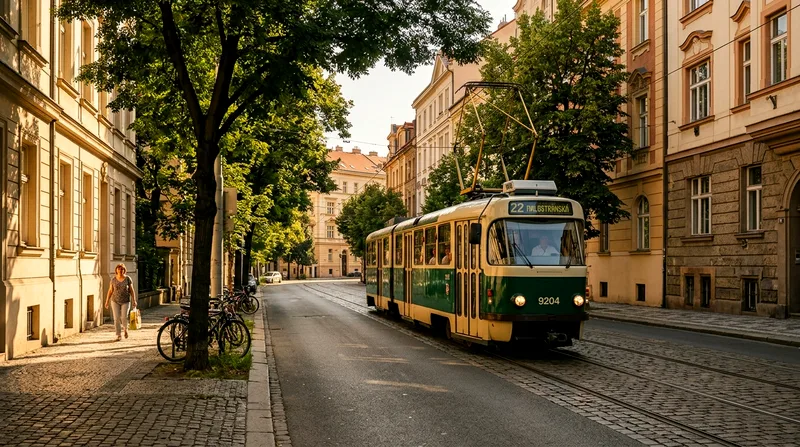
Learn how to get around Riga with this guide to trams, buses, taxis, airport transfers, and costs — practical tips for every type of traveler.
9 min read · 19 Oct 2026
Avoid costly first-timer mistakes in Riga. Learn what to book in advance, where to save money, and what's worth paying for. Expert tips inside.
7 min read · 19 Oct 2026
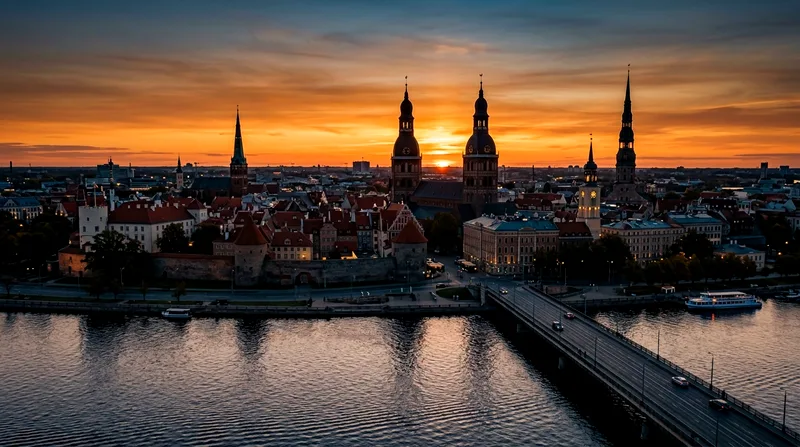
Find the best time to visit Riga with a month-by-month guide to weather, crowds, shoulder seasons, winter events, and when to book tours.
9 min read · 19 Oct 2026
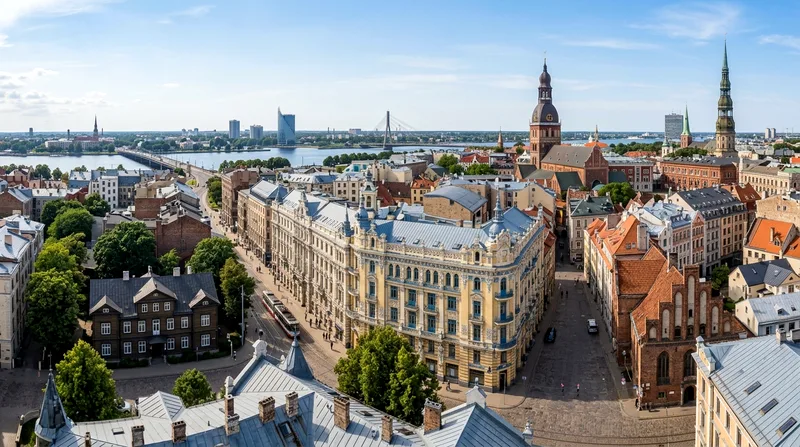
A practical Riga neighbourhoods guide: Old Town, Central District, Āgenskalns, Miera iela and more. Where to stay, what to do, and what to skip.
10 min read · 19 Oct 2026