A practical Riga neighbourhoods guide: Old Town, Central District, Āgenskalns, Miera iela and more. Where to stay, what to do, and what to skip.
Riga Neighbourhoods Guide: Finding Your Area
Riga doesn't fit into a single postcard. Walk ten minutes in any direction from the Freedom Monument and the city changes character completely — medieval alleys give way to Art Nouveau boulevards, then to wooden-house suburbs, then to Soviet-era apartment blocks with their own strange appeal. This Riga neighbourhoods guide breaks down the five areas that matter most to visitors: Vecrīga (Old Town), the Central District, Āgenskalns, Miera iela, and the wider residential districts including Kipsala and Purvciems.
Each one answers a different question. Where should you base yourself for three days? Vecrīga or the Central District, almost certainly. Where do you go to see how Riga actually lives, eat without tourist markup, and watch a slower pace of city life? Āgenskalns and Miera iela. The residential blocks matter mostly if you're considering a longer stay, working remotely, or just curious about the Soviet-era housing that still shapes daily life for most Rigans. None of these areas require a car — Riga's tram and trolleybus network, plus a compact city centre, make cross-district trips cheap and quick, usually under 20 minutes.
Vecrīga (Old Town): Medieval Heart
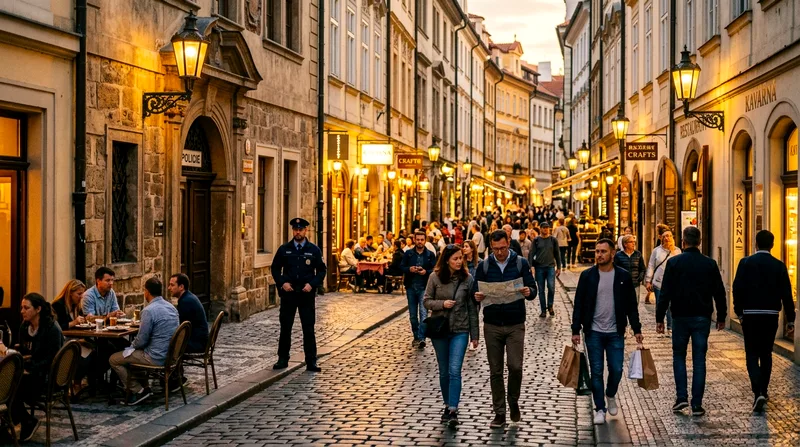
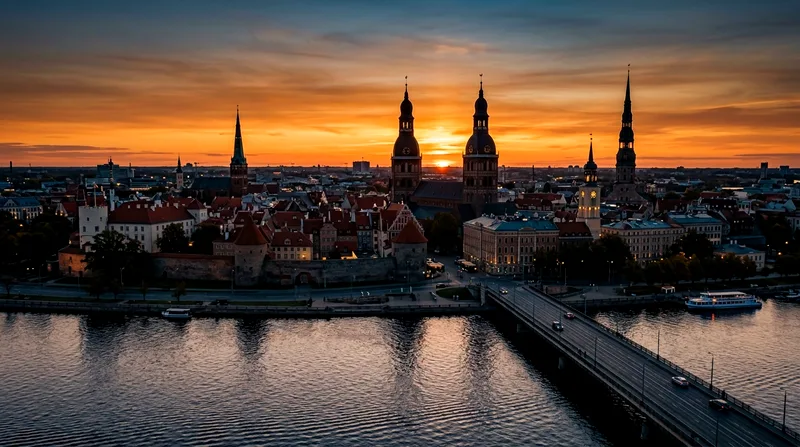
Vecrīga is Riga's UNESCO World Heritage core, and it's compact enough to walk end to end in 25 minutes — which is both its charm and its trap. You can see the highlights in half a day, but most visitors linger two or three, and that's about right. The street layout dates largely from the 13th century, though most surviving facades are 17th- to 19th-century reconstructions after fires and wars. Riga Castle, the current residence of Latvia's president, sits on the riverbank at the Old Town's edge, and the Daugava River forms its western boundary.
I'd avoid staying directly on the main tourist drags like Kalēju or Skārņu iela if you're a light sleeper — stag parties and bar noise carry through the stone streets well past midnight, especially Thursday through Saturday. A room one or two streets back solves this without losing walking-distance convenience.
What to see and do
Start at the House of the Blackheads, rebuilt after wartime destruction but still the Old Town's most photographed facade. St. Peter's Church has an observation deck (around €9, open most of the year except in poor weather) with the best rooftop view over the medieval core and out toward the Central District's spires. The Riga Central Market, just south of the Old Town near the train station, occupies five converted Zeppelin hangars and is worth an hour even if you're not buying anything — it's one of the largest markets in Europe by some measures and genuinely used by locals, not just tourists. Skip the overpriced amber shops directly on Doma laukums; the same quality costs less two streets over.
Bookable tours and activities
A guided walking tour (typically 2 hours, often available as a free tour with tips expected, or a fixed-price small-group option) is genuinely useful here because so much history isn't visible on the surface — the Soviet occupation years, the fires, the German and Swedish periods all left layers that a good guide untangles quickly. River cruises on the Daugava depart from docks near the Old Town and run roughly an hour, giving you a different angle on the castle and the Vanšu Bridge. If you're planning day trips, this is also the obvious departure point for organized tours to Sigulda or Jurmala, both under an hour away by train or coach. Compare current walking tour and river cruise options before you book, since schedules shift seasonally.
Central District: Art Nouveau Architecture
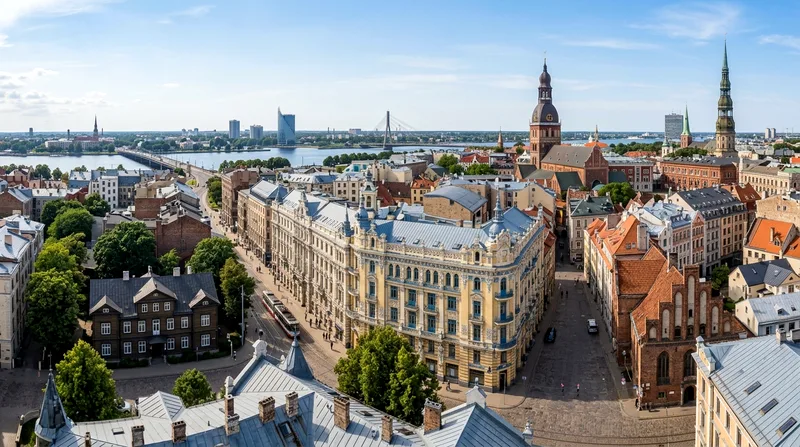
Riga holds one of the highest concentrations of Art Nouveau buildings in Europe — estimates commonly cited put it around a third of the Central District's buildings in this style — and this is the neighbourhood that earns the city comparisons to Vienna or Barcelona in architecture circles. Alberta iela is the famous stretch, with buildings designed largely by Mikhail Eisenstein (father of filmmaker Sergei Eisenstein) featuring sphinxes, screaming masks, and peacock motifs that feel more theatrical than anything in the Old Town. Elizabetes iela and Strēlnieku iela run parallel and are equally worth the walk, usually with fewer visitors.
This district blends into the Old Town's UNESCO buffer zone but extends further out toward the central train station and Esplanade park. It's a good base if you want proximity to the Old Town without sleeping inside it — quieter at night, still a 10-15 minute walk to the medieval core.
Vecrīga suits short stays focused on sightseeing, while Āgenskalns and Miera iela reward visitors who want local life over landmarks.
Riga neighbourhoods guide: where to stay and what each area offers
| Neighbourhood | Best for | Walk to Old Town | Atmosphere at night |
|---|---|---|---|
| Vecrīga (Old Town) | First-time visitors, short stays | 0 min | Busy, some bar noise |
| Central District | Architecture fans, balance of calm and access | 10-15 min | Quiet, upscale |
| Āgenskalns | Local food, markets, slower pace | 15 min walk or 10 min tram | Calm, residential |
| Miera iela | Cafés, galleries, independent shops | 20-25 min or short tram | Relaxed, some bars |
| Kipsala | River views, modern apartments | 10-15 min walk | Quiet |
| Purvciems | Longer stays, budget living | Tram 20-30 min | Residential, quiet |
Walking and tram times are approximate and depend on exact starting point within each district.
UNESCO heritage and landmarks
The Art Nouveau district isn't separately UNESCO-listed the way the Old Town is, but it's recognized internationally as a defining feature of Riga's historic urban fabric. The Riga Art Nouveau Centre, in a restored apartment on Alberta iela, recreates a period interior and costs around €5-7 to enter — a worthwhile 45-minute stop if the exteriors leave you wanting more context. A self-guided walking route covering Alberta, Elizabetes, and Strēlnieku streets takes about 90 minutes at an unhurried pace; guided versions run longer and point out details (the asymmetrical facades, the mythological figures) that are easy to miss alone.
Shopping and dining experiences
This district has Riga's more polished retail — boutiques, concept stores, and mid-range restaurants rather than the souvenir shops clustered in the Old Town. Esplanade park separates the Art Nouveau streets from the National Museum of Art, and there's a reasonable cluster of café terraces along its edges in summer. Expect prices roughly 20-30% higher than Āgenskalns or Miera iela for comparable meals — you're paying for location, not necessarily better food.
Āgenskalns: Local Life and Wooden Houses
Cross the Akmens Bridge or take the tram over the Daugava and you land in Āgenskalns, one of Riga's oldest suburbs and a neighbourhood that still has entire streets of 19th-century wooden houses — some beautifully restored, others sagging and clearly waiting for investment. It's a strange, appealing contrast: gentrified cafés next to buildings that look barely standing. This is the Riga that doesn't make the postcards, and that's exactly the appeal for visitors who've already done the Old Town circuit.
Character and atmosphere
Āgenskalns feels like a small town stitched onto a capital city. Streets are wider and quieter than the Old Town, trees are everywhere, and you'll hear more Latvian and less English. It's genuinely residential — people live here, commute from here, raise families here — which means the pace slows noticeably once you cross the river. If you want nightlife or late-opening restaurants, this isn't the district; most places wind down by 10 or 11pm.
Markets and local attractions
Āgenskalns Market (Āgenskalna tirgus), a restored early-20th-century market hall, is smaller and calmer than the Central Market but better for an unhurried browse — local cheese, bread, and flowers rather than souvenirs. Kalnciema Quarter, a cluster of restored wooden buildings a short walk away, hosts a well-known weekend market (typically Saturdays, seasonal) with food stalls, crafts, and live music that draws locals rather than tour groups. It's one of the better weekend activities in the city if your visit lines up with it.
Miera iela: Bohemian Culture and Cafés
Miera iela ("Peace Street") runs through what used to be an industrial and working-class area and has become Riga's closest equivalent to a bohemian district — independent coffee roasters, small galleries, vintage shops, and converted factory spaces. It lacks the polish of the Central District and the postcard appeal of the Old Town, and that's precisely its draw for travelers tired of both. It's further from the centre than Āgenskalns, reachable by tram (around 15-20 minutes from the Old Town) or a 25-minute walk.
Street culture and galleries
The street's defining feature is its gradual, ongoing gentrification — old Soviet-era storefronts sit next to design studios and specialty coffee shops, and the mix changes year to year. Miera iela runs close to the former Spīķeri quarter and the Central Market, so it's easy to combine both in a single afternoon. Street art and small independent galleries pop up along side streets rather than on Miera iela itself, so it rewards a bit of wandering rather than a straight walk down the main road.
Dining and nightlife options
This is a strong area for casual dining — natural wine bars, a handful of well-regarded coffee shops, and restaurants with shorter, seasonal menus rather than the tourist-friendly all-day menus common in the Old Town. Nightlife is low-key compared to the Old Town's bar streets; expect wine bars and small venues rather than clubs. If you want a contrast to compare, this district feels closer in spirit to parts of Tallinn's Kalamaja or Vilnius's Užupis than to anything in central Riga.
Residential Districts: Where Locals Live
Most of Riga's population doesn't live anywhere near the Old Town, and if you're staying longer than a week, working remotely, or just curious about ordinary Latvian life, it's worth understanding what these districts actually offer — and what they don't.
Kipsala and Purvciems overview
Kipsala is an island on the Daugava, a short walk or tram ride from the Old Town, mixing modern apartment developments with Riga Technical University's campus and a stretch of older wooden houses near the water. It's quiet, has decent river views toward the Old Town skyline, and works well for longer stays if you want some separation from tourist crowds without losing easy access. Purvciems, by contrast, is a large Soviet-era residential district of prefabricated apartment blocks further from the centre — functional, inexpensive, and almost entirely residential. There's little reason for a short-term visitor to stay there, but it's a useful reference point for understanding how most Rigans actually live: not in wooden houses or Art Nouveau flats, but in these mass-built microdistricts from the 1960s-80s.
Expat-friendly areas
For longer-term visitors or those considering remote work from Riga, Āgenskalns and parts of the Central District tend to attract the most expats, thanks to the mix of cafés, reasonable rents compared to Western Europe, and walkability. Kipsala appeals to those wanting new-build apartments and quiet. Avoid assuming Purvciems or similarly large residential districts are unsafe — they're not, crime rates are low by European standards — but they're simply impractical for anyone without a specific reason to be out there, given the distance from everything a visitor typically wants to see.
Frequently asked questions
What are the best neighbourhoods to visit in Riga?
Vecrīga (Old Town) and the Central District cover the essential sightseeing — medieval architecture and Art Nouveau facades respectively. For a fuller picture, add Āgenskalns for wooden houses and local markets, and Miera iela for cafés and independent galleries. Three to four days lets you cover all four without rushing.
Where should first-time visitors stay in Riga?
The Central District offers the best balance: a 10-15 minute walk to Old Town sights, quieter at night, and close to Art Nouveau architecture on Alberta iela. Staying directly inside Vecrīga works too, but pick a street away from the main bar strips (Kalēju, Skārņu) if you want sleep on weekend nights.
Which Riga neighbourhoods have the most Art Nouveau buildings?
The Central District, particularly Alberta iela, Elizabetes iela, and Strēlnieku iela, holds the highest concentration, with roughly a third of the district's buildings built in the style. Scattered Art Nouveau buildings also appear throughout the wider city centre, but this three-street cluster is where the density and ornamentation peak.
What is the safest area to stay in Riga?
Riga overall has low crime rates by European standards, and both Vecrīga and the Central District are well-lit, well-patrolled, and heavily walked at all hours. The main practical risk in the Old Town is pickpocketing in crowded tourist spots, not violent crime. Residential districts like Āgenskalns and Kipsala are equally safe, just quieter after dark.
Which neighbourhoods are best for expats living in Riga?
Āgenskalns and the Central District attract the largest share of long-term foreign residents, thanks to walkability, cafés, and reasonable rents relative to Western European capitals. Kipsala suits those wanting newer apartments and river views. Purvciems and similar outer districts are cheaper but offer little beyond functional housing and distance from the centre.