Avoid costly first-timer mistakes in Riga. Learn what to book in advance, where to save money, and what's worth paying for. Expert tips inside.
Where Your Money Goes in Riga
Riga is cheaper than Helsinki and generally cheaper than Tallinn for food and lodging, but it isn't a budget destination in the way some travelers assume from old Baltic stereotypes. The real cost leaks happen in two places: where you sleep and how you get around. A first-time visitor who picks a hotel for its Old Town address and then takes taxis everywhere will spend noticeably more than one who stays a 15-minute tram ride out and walks or uses public transport.
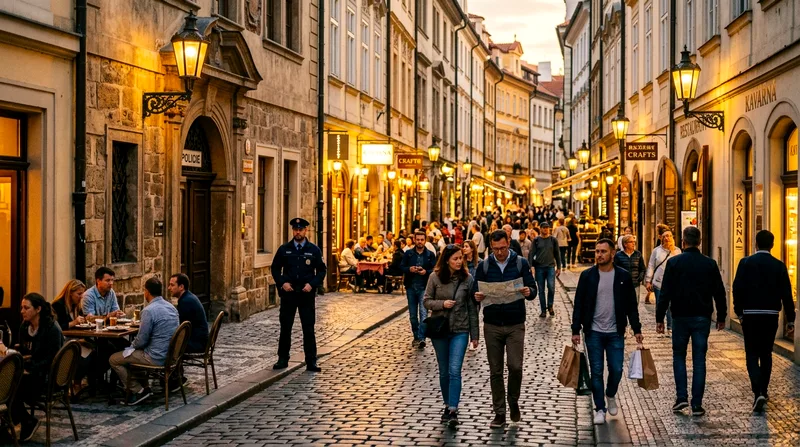
The city itself is compact. Vecrīga — the Old Town — is walkable end to end in about 20 minutes, which means you're paying a premium for proximity you may not actually need for more than a day or two of your trip. Everything else, from the Freedom Monument to the Daugava River embankment, sits just outside or along the edge of that historic core.
App-based rides and public transport consistently beat street-hailed taxis on cost and predictability in Riga.
Riga transportation options compared for first-time visitors
| Option | Typical Cost Level | Best For | Watch Out For |
|---|---|---|---|
| Ride-hailing app (Bolt) | Low-moderate | Airport transfers, late night | Surge pricing at peak events |
| Street-hailed taxi | High | Avoid if possible | Unmetered tourist-rate overcharging |
| Tram/trolleybus/bus | Low | Daily sightseeing, multi-day stays | Validate ticket on board or risk a fine |
| Walking | Free | Old Town, Centrs, riverside | Cobblestones uneven in Vecrīga, bring flat shoes |
| Bike rental | Low-moderate | Riverside paths, day trips | Limited winter availability |
Typical cost levels only; check current fares and ticket apps before you travel.
Accommodation and Neighborhood Costs
Staying inside Vecrīga means paying for atmosphere — narrow cobbled streets, proximity to the Three Brothers and St. Peter's Church, and the convenience of rolling out of bed into the sightseeing zone. It also means higher room rates, noisier weekend nights near the bar streets, and fewer options for self-catering, which matters if you're traveling with children and want to save on restaurant meals.
A smarter play for most first-timers: book a room in the Centrs district just outside the Old Town walls, near Elizabetes iela or around the Art Nouveau quarter. You'll pay less, get wider streets and better grocery access, and still walk to the Freedom Monument in under 10 minutes. Families should specifically avoid the streets directly behind the Town Hall Square after 9pm — not dangerous, but loud with stag-party traffic on weekends, which matters more if you've got kids trying to sleep.
Transportation and Taxi Overcharges
This is the single biggest mistake first-timers make. Unmetered or poorly metered taxis waiting outside the airport, the train station, or clustered near Old Town entrances routinely charge several times the rate of an app-based ride. The fix is simple and non-negotiable: use a ride-hailing app (Bolt is the dominant one locally) rather than flagging a street cab. The fare shows upfront, there's no language negotiation, and it typically costs a fraction of a tourist-rate taxi for the same route.
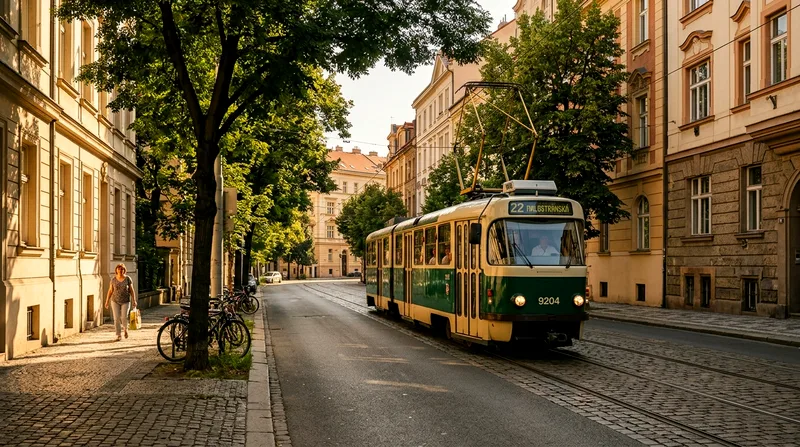
Public transport is the other underused option. Riga's trams, trolleybuses, and buses run on a single ticket system, and a short ride across the city rarely costs more than a cup of coffee. If you're staying more than three days, look at a multi-day travel card rather than buying single tickets each time — it's sold at kiosks and via the mobile ticketing app, and it pays for itself after four or five rides.
Legitimate Ways to Save Money
Money-saving in Riga mostly isn't about hunting for discounts — it's about timing and sequencing. Visit the same sights a smarter way and the savings follow automatically. This is where Riga genuinely beats Krakow or Gdansk for value: fewer crowds competing for the same free resources, and a compact center that doesn't force you into paid transport between attractions.
Free Walking Tours and Off-Season Timing
Free walking tours depart daily from Town Hall Square, typically late morning, and run roughly two hours through Old Town's main landmarks — tip-based, so budget €8-€10 per person as a fair tip rather than treating it as literally free. Arrive five minutes early; groups fill up fast in July and August and guides sometimes split into two batches.
Timing your whole trip matters more than any single discount. Shoulder season — April to early June, or September into early October — gets you lower hotel rates, shorter lines at the TV Tower observation deck, and comfortable walking weather without the humidity spikes of a Baltic July. December has its own value: the Christmas market in Town Hall Square is genuinely worth the cold, and flights plus hotels often undercut the summer peak. Avoid planning a budget trip around Jāņi (Midsummer, June 23-24) — prices spike and half the city empties out to the countryside anyway, so you'd be paying peak rates for a quieter-than-usual Riga.
Combo Tickets and Early-Bird Bookings
Several Riga attractions offer combined admission — pairing something like the TV Tower with another sight, or bundling museum entries — which works out cheaper than paying separately if you're visiting both anyway. Don't buy a combo ticket for something you weren't already planning to see; that's not a saving, it's just spending more for the illusion of a deal.
Early-bird booking matters less for walk-up museums and more for anything with limited daily capacity: specific guided tours, day trips to Sigulda or Jurmala, or popular evening experiences. Booking a week or two ahead online is usually cheaper than paying a walk-up rate, and it guarantees you a spot rather than queuing and hoping.
What's Worth Paying Full Price For
Saving money shouldn't mean cutting corners on the two things that actually affect your trip quality and safety: expert-led tours of complex sites, and transport you can trust. Riga rewards frugality in lodging and transit, but it punishes it in a few specific spots.
Quality Guided Tours and Local Expertise
The free walking tour is a great orientation, but for the Riga Ghetto and Latvian Holocaust Museum, the KGB building (the "Corner House"), or a proper Art Nouveau architecture walk through Alberta iela, pay for a specialist guide. These are sites where context changes the entire experience, and a tip-based generalist tour simply won't go deep enough. Expect to pay a reasonable fixed rate for a 90-minute to two-hour specialist tour — check current prices when booking, since rates vary by group size and season.
Day trips to Sigulda's hillforts and cable car, or to Jurmala's beach towns, are also worth booking through a reputable operator rather than improvising via regional buses if your time is limited — you'll cover more ground in a day and skip the guesswork on bus schedules that run less frequently on weekends.
Safe Transportation and Reliable Services
Don't cheap out on your airport transfer late at night or any transport involving young kids and luggage. A pre-booked airport transfer or a known ride-hailing app costs more than a bargain-looking street taxi but removes the risk of overcharging or a driver who doesn't know (or pretends not to know) the route. The airport sits about 10km from the center, roughly a 20-25 minute ride outside rush hour — not worth gambling on an unmetered car for the sake of a small saving.
Similarly, don't substitute a free city map and vague directions for a paid audio guide or app-based tour inside the Riga Zoo or TV Tower if you want real context rather than just photos. Full price here buys you accuracy and a better experience, not just skipped inconvenience.
First-Timer Booking Checklist
A little sequencing prevents the most common first-timer mistake: arriving in Riga and discovering that the thing you wanted to do is sold out, closed for a private event, or only bookable a week in advance. This happens most often around the TV Tower, specialist museum tours, and any day trip bundled with transport.
Essential Advance Reservations
Book these before you land: your accommodation (Centrs and Art Nouveau quarter rooms fill up in summer weekends faster than Old Town's larger hotel stock), any specialist history or architecture tour, day trips to Sigulda or Jurmala if you want transport included, and — if traveling in December — Christmas market period hotel rooms, which sell out earlier than you'd expect for a city this size. Everything else — museum tickets, the free walking tour, public transport cards — can be sorted on arrival or even the same morning. Don't over-plan the small stuff; it just adds stress without saving money. Compare current tour and day-trip prices before you book, since rates shift with season and group size.
Frequently asked questions
What are the biggest money-wasting mistakes first-timers make in Riga?
Taking street-hailed taxis instead of a ride-hailing app, booking a hotel inside Old Town when a cheaper room in Centrs is a 10-minute walk away, and skipping the free walking tour's tip-based format by assuming "free" means no cost at all. Add to that buying combo tickets for sights you weren't already planning to visit.
Should I book attractions in advance when visiting Riga?
Book accommodation, specialist guided tours (Ghetto history, Art Nouveau architecture), and bundled day trips to Sigulda or Jurmala ahead of time, ideally a week or two out. Most individual museum tickets and the TV Tower can be bought same-day without trouble outside peak summer weekends.
Is it cheaper to use taxis or public transport in Riga?
Public transport and ride-hailing apps are both consistently cheaper than street-hailed taxis. A multi-day travel card makes sense if you're staying three or more days and plan to move around beyond Old Town; otherwise app-based rides cover airport transfers and late-night trips reliably.
What free activities can first-timers do in Riga?
The free (tip-based) walking tour through Old Town, walking the Daugava River embankment, climbing Bastion Hill park, browsing the Central Market halls without buying, and wandering the Art Nouveau streets around Alberta iela — all cost nothing beyond a tip if you take a guided tour.
What's the best time to visit Riga to save money?
Shoulder season — April into early June, or September through early October — gets you lower accommodation rates and thinner crowds at the TV Tower and Old Town landmarks. Avoid the Jāņi Midsummer week in late June, when prices spike despite much of the city emptying out.