Is Riga safe? Read our guide to neighbourhood safety, solo travel tips, scams to avoid, and emergency contacts for peace of mind in Latvia's capital.
Is Riga Safe? Overall Safety Overview
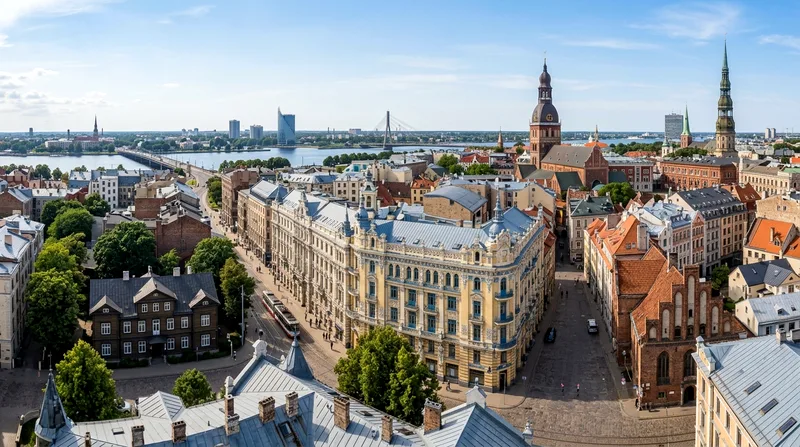
Is Riga safe? For the overwhelming majority of visitors, yes. Latvia's capital sees millions of tourist visits a year, and the vast majority of problems reported involve lost wallets and overpriced taxis rather than anything violent. Riga isn't a city where you need to plan routes around danger zones the way you might in parts of some larger European or world capitals — it's walkable, well-lit in the center, and policed with a visible but not oppressive presence around Old Town and the main squares.
That said, "generally safe" isn't the same as "no need to think about it." Riga has a petty crime profile typical of tourist-heavy European cities: pickpocketing in crowded bars and on public transport, occasional scams involving inflated bar tabs, and the usual late-night risks around drunk tourists wandering unfamiliar streets. None of this is unique to Riga — you'd find the same pattern in Krakow's main square or Prague's old town — but it's worth naming rather than glossing over.
I'd push back a little on the glowing "safest city in the Baltics" framing you sometimes see in tourism marketing. Riga is safe, but it's not uniquely so, and treating any city as risk-free is how people end up leaving bags unattended on cafe chairs. Use the same caution you'd apply in Hamburg or Lyon, and you'll be fine.
Crime statistics and resident perception
Violent crime against tourists in Riga is rare enough that it doesn't feature meaningfully in most traveler trip reports — the complaints that do surface are almost entirely about pickpocketing, taxi overcharging, and nightlife scams. Latvian residents generally describe the city center as safe to walk at night, though many will tell you, honestly, to keep your wits about you near the Central Station after dark and to avoid empty residential streets outside the tourist core late at night. That's a fairly normal caveat for any capital city of around 600,000 people, and it shouldn't be read as a red flag so much as basic common sense.
How Riga compares to Tallinn and Vilnius
Travelers doing a Baltic loop often ask how Riga stacks up against Tallinn and Vilnius on safety, , the differences are marginal. Tallinn's compact, walled Old Town feels slightly more contained and arguably safer late at night simply because it's smaller and easier to navigate when you've had a few drinks. Vilnius has a bit more sprawl between its Old Town and train station, similar to Riga, with comparable pickpocket risk in crowded areas. Riga's nightlife district is livelier and rowdier than either — stag-do tourism has been a known issue in Old Town bars for years — which means more drunk-related petty crime and scam bars than genuine danger. If you're choosing based on safety alone, it's a wash; choose based on what each city offers otherwise.
Neighbourhood Safety Breakdown
Riga's safety profile varies more by neighborhood than by time of year, and knowing which areas deserve extra awareness makes a real difference, especially for solo travelers or families navigating on foot. The tourist core — Old Town, the area around Freedom Monument, and the main shopping streets — is heavily trafficked and well-lit, with a visible police presence during peak season. Head further out and the picture gets more mixed, not dangerous exactly, but less predictable.
Maskavas forštate, the district around Riga Central Station and stretching toward the market, has a rougher reputation than the postcard parts of the city. It's not a no-go area by any means — thousands of commuters pass through daily — but it has more visible homelessness, some low-level drug activity, and less lighting on side streets once you're a few blocks from the station itself. I wouldn't tell a solo traveler to avoid it outright, since the Central Market itself is a genuinely worthwhile stop, but I would say don't linger in the surrounding side streets after dark with luggage in tow.
Old Town and Mežaparks are the safest bets for travellers, while the Central Station area needs more caution after dark.
Riga neighbourhood safety comparison for travellers
| Area | Daytime safety | Nighttime safety | Main risk | Best for |
|---|---|---|---|---|
| Old Town | Very safe | Safe, busier areas | Pickpocketing in bars | First-time visitors, couples |
| Central Market | Safe | Use caution | Crowds, bag-snatching | Day-trip food lovers |
| Riga Central Station area | Safe | Use caution | Petty theft, loitering | Transit, not lingering |
| Mežaparks | Very safe | Very safe | Minimal | Families, seniors, quiet walks |
| Āgenskalns | Safe | Safe | Minimal | Local atmosphere seekers |
Ratings reflect general traveller experience, not official crime indices; conditions can vary by season and time of day.
Old Town and Central Market safety
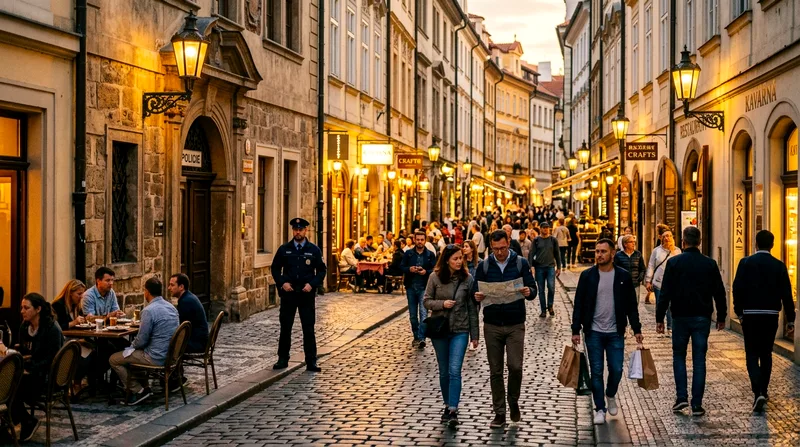
Old Town (Vecrīga) is where almost every visitor spends most of their time, and it's the safest part of the city by a wide margin — cobblestone streets, dense with cafes, churches, and souvenir shops, patrolled regularly, and busy well into the evening. Petty theft is the main risk here, particularly in crowded bars along Vaļņu iela and Kalēju iela where bag-snatching and pickpocketing happen during peak nightlife hours. Riga Central Market, housed in converted Zeppelin hangars just south of Old Town, is safe to browse during the day and genuinely one of the better food markets in the Baltics, but keep bags zipped and front-facing — it's crowded, and crowds are where pickpockets work. Avoid wandering the market's immediate surroundings alone late at night; stick to daytime visits.
Mežaparks and residential areas
Mežaparks, a leafy residential district known for its early-20th-century wooden villas and large park, is about as low-crime as Riga gets — quiet streets, families, joggers, and very little tourist foot traffic to attract petty criminals in the first place. It's a 15 to 20-minute tram ride from the center and a pleasant half-day trip for walking or cycling, particularly for families or senior travelers wanting a calmer contrast to Old Town's crowds. Other residential areas like Āgenskalns, across the river, feel similarly low-key and safe, though as with any residential district in any city, it's sensible to avoid poorly lit parks after dark simply because there's no one around, not because of any specific threat.
Safety Tips by Traveller Type
Riga safety tips shift depending on who you are and how you're traveling. A 25-year-old backpacker and a family with two kids under ten are going to run into completely different situations, even walking the same streets. Below is what actually matters for the groups that ask about this most.
Solo female travellers
Riga solo travel safety for women is generally good — solo female travelers report feeling comfortable walking through Old Town and the central districts during the day and into the evening. The main caution point is Old Town's nightlife strip after midnight, where stag parties and heavy drinking culture can make for uncomfortable encounters, not dangerous ones, but tiresome. Stick to well-reviewed bars rather than the ones with touts outside offering "free shots," since these are frequently the overpriced-drink scam setups. Use Bolt or Yandex (both common ride-hailing apps in Riga) rather than hailing random taxis late at night — unlicensed taxis near nightlife areas have a reputation for overcharging tourists, especially women traveling alone. Solo women should also avoid walking back to accommodation through the Central Station area after dark; take a short taxi ride instead, which typically costs only a few euros within the city center.
Families and seniors
Families and senior travelers will find Riga easy going — sidewalks in the center are generally in good condition, public transport (trams and buses) is affordable and runs on clear schedules, and Old Town's pedestrian zones keep cars away from the main walking routes. Cobblestones are the real hazard here, not crime — they're uneven in places and tough on wheelchairs, strollers, or anyone with mobility issues, so budget extra time and consider routes through Bastejkalns Park, which has paved paths and is popular with local families. Seniors traveling with valuables should use hotel safes rather than carrying passports around all day; a photocopy or phone photo of your ID is usually enough for daily use. Families heading to Mežaparks or Jūrmala for the beach should note both are very low-crime day trips, well suited to kids running around with less supervision than you'd want in the city center.
Common Scams and Crime Prevention
Riga pickpocketing and low-grade scams are the realistic crime risk for most visitors — not muggings, not break-ins, but the kind of thing that ruins an afternoon rather than a trip. Knowing the patterns in advance takes most of the sting out of them.
Pickpocketing and petty theft
Pickpocketing clusters around exactly the places you'd expect: crowded trams, the Central Market on weekend mornings, and bar queues in Old Town late at night. The classic move is a distraction — someone asks for directions or bumps into you — while a second person lifts a phone or wallet from an open bag or back pocket. Carry bags across your body and in front, keep phones in zipped inner pockets rather than back pockets, and don't leave bags hanging on the back of a cafe chair, which is an easy grab-and-run target on busy outdoor terraces. Fake petition signers and "charity" collectors asking for cash near Freedom Monument are another minor annoyance worth sidestepping — they're not dangerous, just a nuisance and occasionally a distraction setup.
Late-night safety and transport
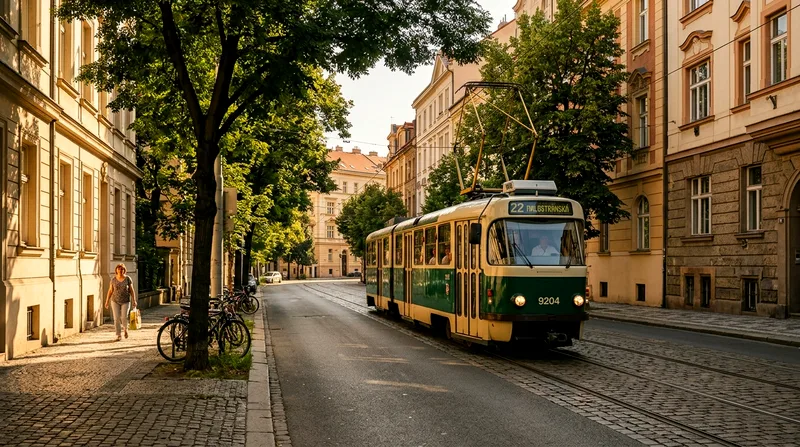
Public transport in Riga — trams, trolleybuses, and buses — runs until around midnight to 1am on most lines, with a reduced night network after that, so plan your return before services thin out or budget for a short taxi instead. Avoid unmarked taxis idling outside nightlife venues; stick to Bolt or Yandex, both widely used and transparent on pricing before you accept a ride. The riverside areas and some side streets just outside Old Town get quiet and poorly lit late at night — fine to walk through briskly, less fine to linger in. If you've been drinking, the safest move is simply to take a short taxi back rather than walk, particularly from the bar streets back toward accommodation near the Central Station.
Emergency Contacts and Resources
Knowing who to call before you need to is the kind of unglamorous prep that actually matters. Save these numbers in your phone before you land rather than searching for them in a panic.
Police, ambulance, and hotlines
The single emergency number across Latvia is 112, covering police, ambulance, and fire — it works from any phone, including foreign SIMs, and operators generally speak English. For non-emergency police matters, such as reporting theft for an insurance claim, head to the nearest police station (there's one near Old Town on Tērbatas iela) rather than relying on phone reporting, since you'll usually need a written report for travel insurance purposes. Most hotels and hostels can point you to the nearest station and will often help translate if needed — don't hesitate to ask at your accommodation's front desk first if the situation isn't urgent.
Women-specific safety resources
Latvia has domestic and sexual violence support hotlines, though they're primarily aimed at residents rather than tourists in acute situations — for an immediate safety concern, 112 remains the fastest route to police assistance regardless of nationality. Embassies are a good secondary resource for serious situations: most EU countries, the US, UK, and Canada maintain diplomatic presence in Riga, and consular staff can assist with emergencies, lost documents, or connecting travelers with appropriate local support services. your embassy's Riga address and phone number before travel, not after something's gone wrong.
Frequently asked questions
Is Riga safe for solo female travellers?
Yes, generally — solo women commonly report feeling comfortable in Old Town and central Riga during the day and evening. The main friction point is rowdy nightlife crowds after midnight; using ride-hailing apps instead of walking back alone late at night is the simplest precaution.
Is Riga safe at night?
The central tourist areas are safe and well-lit into the late evening, with regular foot traffic and police presence. After midnight, stick to main streets, avoid the areas immediately around Riga Central Station, and take a short taxi rather than walking long distances alone.
What areas of Riga should I avoid?
No area is strictly off-limits, but the side streets around Riga Central Station and Maskavas forštate deserve extra caution after dark due to lower lighting and more visible petty crime. During the day, both are fine to pass through, including for the Central Market.
Is pickpocketing common in Riga?
It's the most common crime tourists encounter, concentrated in crowded trams, the Central Market, and Old Town bar queues late at night. Cross-body bags, front pockets for phones, and basic vigilance in crowds prevent the vast majority of incidents.
What should I do in a safety emergency in Riga?
Call 112, the single emergency number for police, ambulance, and fire across Latvia — operators typically speak English. For theft reports needed for insurance, visit a local police station in person rather than relying on phone reporting alone.