Planning Riga with kids? Compare family tours, museums, parks and outdoor activities, with age guides and booking tips for parents.
Who Each Tour Type Suits Best
Not every family needs the same kind of day in Riga. A family with a 2-year-old and a family with two teenagers will get almost nothing out of the same itinerary, and tour operators in Riga have responded with genuinely different product types — walking tours, nature excursions, hands-on museums, and boat rides on the Daugava River. The trick is matching the activity to your kids' actual stamina, not their age on paper.
If your children melt down after 45 minutes of walking, skip the 3-hour Old Town walking tour entirely — it's built for adults and history-minded teens, not six-year-olds. Conversely, if you've got outdoor-tolerant kids who are happy wading through forest trails, Riga's parks and nature reserves will outperform any indoor attraction you could book.
Active families and outdoor enthusiasts
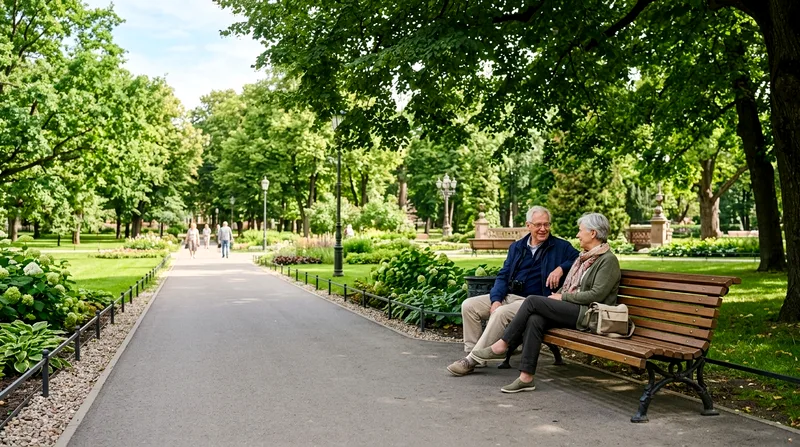
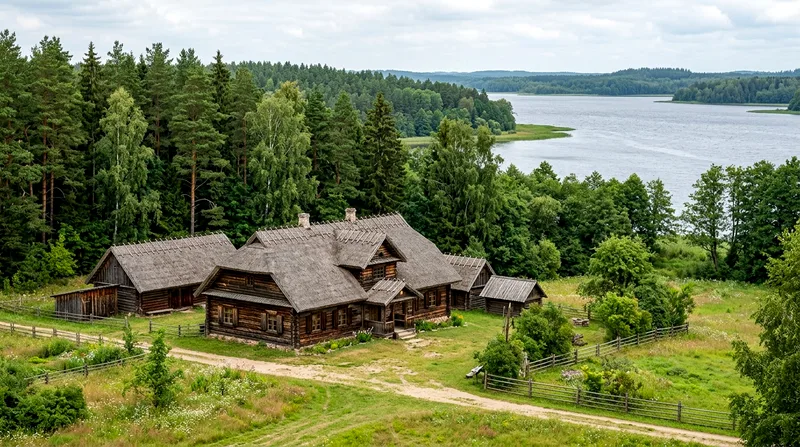
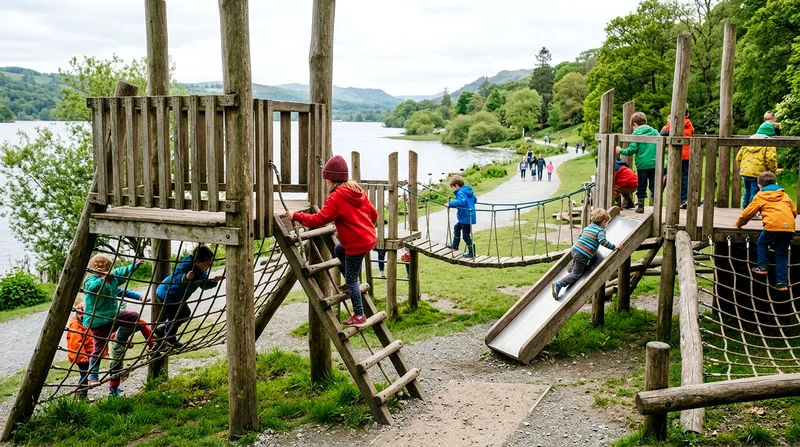
Families who hike, bike, or just need their kids to burn energy outdoors should prioritize Ragakāpa Nature Park, a dune-and-pine forest reserve near Jūrmala that's about a 30-40 minute drive or train ride from central Riga. It has boardwalk trails suitable for all-terrain strollers, though not for standard umbrella strollers once you're off the main path. Mežaparks, inside Riga proper, is the better choice if you don't want to leave the city — it has a lake, playgrounds, and wide paths that work fine with any stroller. Both are free to enter, which matters if you're trying to keep a week's budget under control. Compare this to Sigulda, roughly an hour away, which adds cable cars and castle ruins but requires a fuller day and more walking stamina from kids.
Culture-focused families and museum lovers
If your kids are the type who ask questions in museums rather than race through them, Riga has decent options beyond the usual art galleries. Interactive, hands-on museums work far better for under-12s than traditional collections — look specifically for exhibits described as "hands-on" or "interactive" in listings on In Your Pocket or TripAdvisor before booking, since several of Riga's museums are still object-behind-glass style, which bores young kids fast. Science and natural history themed stops tend to hold attention longer than art museums. Budget 90 minutes to 2 hours per museum visit — kids under 8 rarely last longer, and pushing past that point usually backfires.
Main Family Tour Categories Compared
Riga's family-friendly offerings fall into a handful of clear categories, and each has a genuine trade-off. Outdoor nature tours (Ragakāpa, Mežaparks, river-adjacent walks) are free or low-cost and flexible on timing, but offer zero shelter if weather turns — Riga gets real rain year-round, not just in autumn. Indoor attractions and museums cost more per person but solve the weather problem and usually include a bathroom and café on site, which matters more than people expect with toddlers in tow.
Boat tours on the Daugava River sit in the middle: seasonal (roughly May through September), scenic, and short enough — often 45 minutes to an hour — that even restless kids tolerate them. They're a reasonable way to see Riga Old Town from a different angle without demanding much physical stamina from children.
Outdoor parks are the cheapest and most flexible option for Riga with kids, while private family tours cost more but adapt best to young children's pace.
Riga family tour and activity types compared by cost, duration and age suitability
| Activity type | Typical duration | Cost level | Best age range | Weather dependent |
|---|---|---|---|---|
| Nature parks (Ragakāpa, Mežaparks) | 1-3 hours | Free | 2 and up | Yes |
| Interactive museums | 1-2 hours | Low-moderate | 4-12 | No |
| Daugava River boat tour | 45-90 min | Moderate | 3 and up | Partly (seasonal) |
| Group walking tour (Old Town) | 2-3 hours | Low-moderate | 8 and up | Yes |
| Private family tour | 2-5 hours | Higher | Any age, flexible | Partly |
Typical figures based on common tour formats; always check current prices, exact durations and age policies before booking.
Outdoor tours vs. indoor attractions
Outdoor options win on cost and flexibility — most parks are free, and you set your own pace. The downside is weather dependency and fewer facilities; don't expect clean public restrooms deep inside Ragakāpa's trail network, so plan accordingly before you set out. Indoor attractions, from children's museums to aquariums-style exhibits, typically run a modest per-ticket fee and guarantee climate control, seating, and bathrooms. For a family with a child under 4, I'd lean indoor on any day with rain in the forecast — toddlers and wet forest trails don't mix well, and you'll end the day resentful rather than refreshed.
Group tours vs. private family experiences
Standard group walking or boat tours cost less per person and run on fixed schedules, which suits families comfortable keeping pace with strangers. Private family tours — sometimes advertised through local operators as "City Kids" style family-focused experiences — cost more overall but let you set the pace, skip a tired toddler's nap disruption, and tailor content to your kids' interests. For a single day in Riga, a group tour is fine. For a longer stay where you want a guide who adjusts on the fly, a private option is worth the extra cost, and you should always check current prices and recent reviews before booking either type.
What to Look for When Booking
Booking a family activity in Riga isn't that different from anywhere else, but a few local quirks catch parents out. Old Town's cobblestones are brutal on standard strollers — if you're bringing one, choose an all-terrain model or accept you'll be carrying a toddler part of the way. Check listings on TripAdvisor and In Your Pocket for recent parent reviews specifically, since a tour rated well by couples doesn't tell you much about pram access or patience with a fussy 3-year-old.
Group size and age requirements
Most group tours in Riga cap at 15-20 participants; smaller operators running family-specific trips often keep groups to 8-10, which matters if you want your guide to actually notice a wandering toddler. Always check the stated minimum age — some boat tours and walking tours set a practical minimum around age 5 or 6, not because of rules, but because younger kids genuinely can't keep up or stay quiet during indoor stops. If no age minimum is listed, email and ask before booking rather than assuming it'll be fine.
Inclusions, duration and cancellation policies
Confirm whether entry tickets, transport, and snacks are included, or whether you're expected to cover museum admission separately — this changes your real cost significantly. Favor tours and activities with free cancellation up to 24 hours out; Riga's weather shifts fast, and an outdoor-only itinerary booked non-refundable a month in advance is a real risk. Duration matters too: anything advertised over 3 hours for children under 7 should be treated with skepticism unless it includes built-in breaks.
Best Times to Book Family Activities
Timing affects both what's available and how pleasant it is to do it. Riga with children is genuinely a different experience in July versus January — not better or worse necessarily, but different enough that you should plan around it rather than ignore it.
Seasonal considerations for Riga
Late May through September is when outdoor options — Ragakāpa trails, river boat tours, Mežaparks' lake area — are fully operational and daylight runs long, often past 10pm in June. Winter (November through February) pushes you indoors; museums and indoor play facilities become the backbone of any Riga family itinerary, and daylight can be as short as 6-7 hours. If you're choosing between Riga and Jurmala's beach town appeal for a summer trip, Riga wins for toddlers needing shaded parks and short walking distances between stops; Jurmala suits families prioritizing beach time over city sights.
Advance booking recommendations
Book popular museum slots and any private family tour at least 1-2 weeks ahead during July and August, when Riga sees its highest tourist volume alongside Tallinn and Vilnius. Off-season (October through April), most indoor attractions can be booked 24-48 hours ahead with no trouble, and some walking tours run on a minimum-numbers basis — meaning they might cancel on you with short notice if too few people sign up. Build a buffer day into your itinerary if you're relying on a single tour to anchor your trip.
Age-Specific Activity Recommendations
Riga with kids means something completely different depending on whether "kids" means a napping 18-month-old or a 15-year-old who wants independence. Matching the itinerary to the actual age group saves everyone a bad day.
Toddlers and preschoolers
For ages 1-5, skip anything billed as a "tour" in the traditional sense. Mežaparks' playgrounds and open lake paths work well because there's no fixed pace and bathrooms are accessible near the main entrance. Short museum visits (under 90 minutes) with hands-on exhibits beat passive displays every time at this age. Avoid Old Town's upper floors in older buildings — many lack elevators, and narrow stone stairs with a stroller or a squirming toddler are genuinely unpleasant. Plan meals around nap schedules rather than tour times; most restaurants near Old Town are flexible about early dinners around 5-6pm, which suits younger kids' schedules better than a typical 8pm European dinner slot.
School-age children and teens
Kids aged 6-12 handle 2-3 hour group walking tours reasonably well, especially ones with a storytelling or treasure-hunt angle through Riga Old Town. Teens often respond better to independence-flavored activities — a river boat ride they can photograph, or an interactive museum with genuine depth rather than toddler-level exhibits. This age group is also the sweet spot for day trips to Sigulda's castles and cable car, which demand more walking and attention span than younger kids can manage. If you're weighing Riga against Krakow or Gdansk for an older-kids history trip, Riga's Old Town is smaller and easier to cover in a single focused day, which suits shorter attention spans better than Krakow's larger historic core.
Frequently asked questions
What are the best outdoor activities for kids in Riga?
Ragakāpa Nature Park and Mežaparks are the two standout choices. Ragakāpa offers dune and pine forest boardwalk trails about 30-40 minutes from central Riga, free to enter, best for kids who can walk 1-2 hours. Mežaparks is inside the city, with a lake, playgrounds, and flat paths suited to strollers of any kind — a better pick if you don't want to leave Riga proper or you're traveling with a toddler.
Which museums in Riga are suitable for children?
Prioritize museums described as interactive or hands-on rather than traditional collection-style museums, which tend to bore kids under 10. Check recent parent reviews on TripAdvisor or descriptions on In Your Pocket before booking, since museum quality for children varies widely and isn't always obvious from the name alone. Budget 90 minutes to 2 hours per visit.
What indoor play facilities are available in Riga?
Riga has several indoor play centers aimed at younger children, typically offering climbing structures, ball pits, and café seating for parents — useful backup on rainy days, which happen year-round in Latvia. These aren't heavily marketed to tourists, so check current listings and reviews locally rather than relying on international booking sites alone.
What activities are best for toddlers in Riga?
Stick to short, flexible outings: Mežaparks for open-air play, brief museum visits under 90 minutes with hands-on exhibits, and meals timed around nap schedules rather than fixed tour times. Avoid Old Town buildings without elevators and skip anything billed as a multi-hour walking tour — toddlers simply don't have the stamina for it.
When is the best time to visit Riga with kids?
Late May through September gives you full access to outdoor parks, river boat tours, and long daylight hours, often past 10pm in June, which helps with flexible scheduling around naps. Winter works fine too if you build your itinerary around indoor museums and play centers, but expect short daylight (6-7 hours) and colder, wetter conditions that limit outdoor time.