A practical 2 days in Riga itinerary covering Old Town, Art Nouveau streets, and Central Market, with tours and day trip options for a weekend.
Who This Itinerary Is For
This 2 days in Riga itinerary is built for travelers who want a weekend trip that actually feels complete, not a rushed highlight reel. It suits solo travelers comfortable navigating a walkable old town, couples wanting a mix of architecture and good food, and European travelers using Riga as a long-weekend break reachable by direct flight from most major hubs. Families with older children will manage the pace fine, though younger kids may tire of church climbs and architecture walks by afternoon.
Senior travelers should know the Old Town is almost entirely cobblestone — charming, but hard on ankles and wheels. If that's a concern, pace Day 1 more slowly and skip the tower climbs described below. World travelers comparing Riga against Tallinn or Vilnius will find it sits nicely between the two: less overtly touristy than Tallinn's Old Town, with a more substantial Art Nouveau district than either Baltic neighbor.
This plan assumes you arrive the evening before Day 1 or early morning, and that you're not trying to also fit in Jūrmala and Sigulda — doing both on top of the city center turns a relaxed weekend into a checklist. Choose one. I'd lean toward Sigulda if you want castles and forest, Jūrmala if you want beach air and quieter walking.
Day 1: Old Town and Landmarks
Day 1 covers the UNESCO-listed Old Town, Riga's most photographed square footage and the natural starting point for any Riga Old Town itinerary. Expect to be on foot for most of the day — the district is small enough to cross in 20 minutes, but worth slowing down in.
Morning: UNESCO Old Town
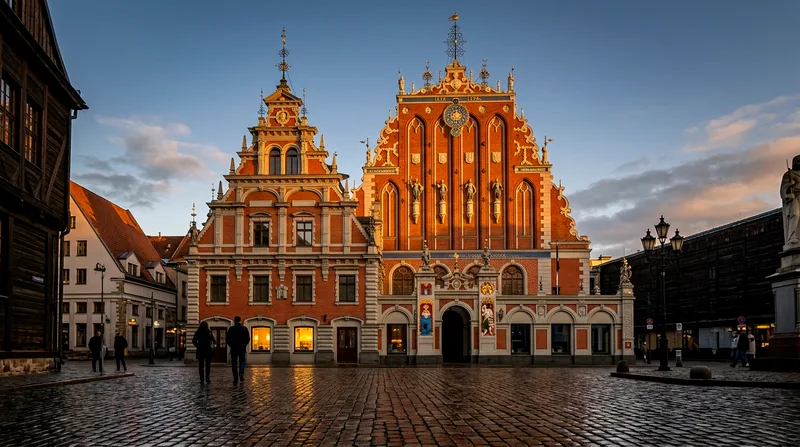
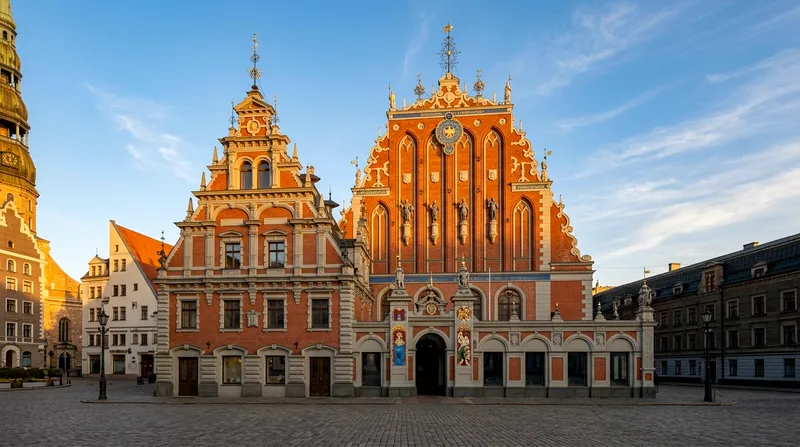
Start around 9am at the Freedom Monument, Riga's central symbol of independence, then walk north into the Old Town through Livu Square. Head to the House of the Black Heads, the ornate guild building on Town Hall Square rebuilt after wartime destruction — it's one of the few interiors worth paying for if you want Riga's merchant history explained properly (entry runs a modest few euros, and a visit takes 30-40 minutes).
From there, walk the short stretch to the Swedish Gate, the only surviving city gate from the 17th century, tucked into the old fortification walls on Torņa iela. It's unassuming and easy to miss — don't rush past it. Budget the whole morning, roughly 9am to 1pm, for this loop with stops for coffee; Old Town cafés here are pleasant but priced for tourists, so don't expect Vilnius-level bargains.
Afternoon and Evening: Churches and Views
After lunch, head to St. Peter's Church. The real draw is the viewing platform near the spire, reached by elevator, offering the best rooftop view over Riga's red-tiled Old Town and the Daugava River — better value than the TV Tower across the river, in my opinion, since it's central and the elevator avoids a climb. Tickets are inexpensive and the platform gets crowded by late afternoon in summer, so aim for 3pm or earlier.
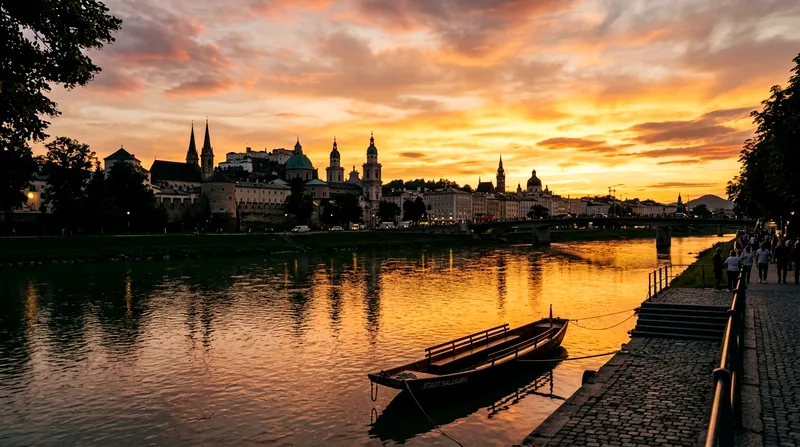
Spend the rest of the afternoon wandering toward the river embankment for a view of the Daugava, then back through narrow streets toward dinner. For evening dining and a bit of nightlife, the Old Town has plenty of options, though prices run higher than elsewhere in the city — if you want better value, cross toward the edge of the district. A sunset boat tour on the Daugava is worth booking ahead for this evening; it's a relaxed way to see the skyline without more walking, and slots fill up on weekends in peak season. Compare current boat tours and prices before you book, since schedules shift with daylight hours.
If weather turns bad, swap the river walk for the Riga Cathedral interior or the Museum of the Occupation, both indoor and within a few minutes of each other.
Day 2: Art Nouveau and Markets
Day 2 shifts away from medieval stone toward Riga's other architectural identity — the Art Nouveau district — before ending at one of Europe's largest markets. This day involves more tram use and less dense walking than Day 1.
Day 1 covers dense medieval sightseeing on foot, while Day 2 trades cobblestones for architecture and market browsing with more tram use.
2 days in Riga itinerary: Day 1 vs Day 2 highlights compared
| Day | Main Area | Best Time to Visit | Pace | Bookable Highlight |
|---|---|---|---|---|
| Day 1 | Old Town (UNESCO site) | Morning for sights, evening for river | Dense, walking-heavy | Sunset boat tour on the Daugava |
| Day 2 | Art Nouveau district & Central Market | Morning for architecture, afternoon for market | Relaxed, some tram use | Guided Art Nouveau walking tour |
Timings are typical for a two-day weekend pace; adjust earlier starts in peak summer to avoid crowds at St. Peter's Church and the market.
Morning: Architecture and Districts
Take a tram or walk (about 20-25 minutes from Old Town) up to Alberta iela and Elizabetes iela, the heart of Riga's Art Nouveau district — reportedly a third of Riga's central buildings are built in this style, more than almost any European city. Mikhail Eisenstein's facades on Alberta iela are the standout: look up for the sculpted faces, peacocks, and geometric detailing that make this quieter residential street worth an hour alone.
This is a slower, photography-friendly morning compared to Day 1's landmark-hopping. Unlike Old Town, there's little commercial pressure here — no restaurants hawking menus, just apartment blocks people actually live in. Visit between 9am and noon before tour groups arrive around midday.
Afternoon and Evening: Markets and Culture
After lunch, head to Riga Central Market, housed in converted Zeppelin hangars near the train station — one of the largest and oldest markets in Europe. It's divided into pavilions for meat, dairy, fish, and produce, plus an outdoor section for clothing and goods. Go hungry; smoked fish and fresh bread here cost a fraction of Old Town restaurant prices, and it's a far more honest look at daily Riga life than anywhere in the tourist center.
If you have energy left, the Ethnographic Open Air Museum on the city's edge is a strong alternative for the afternoon instead of more market browsing — it's an open-air collection of preserved wooden buildings from across Latvia, best visited in dry weather since it's mostly outdoors and spread over a forested site. For tired legs, skip it and instead take a slow tram ride along the river back toward Old Town for a final evening meal.
Getting Around Riga
Old Town itself is entirely walkable — you won't need transport until Day 2's trip up to the Art Nouveau district. Riga's tram and bus network is cheap and reliable; a single ticket costs a small flat fare bought from the driver or via the mobile app, and a 24-hour ticket is worth it if you're making more than two or three trips. Trams 11 and 4 run near Alberta iela; the market sits a 10-minute walk from the main train station, which most trams pass.
Taxis and ride-hailing apps are inexpensive by Western European standards, useful if you're arriving late or traveling with kids who've had enough walking. I wouldn't bother with a car in the city — parking in Old Town is restricted and expensive, and traffic in the narrow streets isn't worth the hassle for a two-day stay.
If you're adding Sigulda or Jūrmala, both are reachable by regional train from Riga Central Station in under an hour, which is cheaper and often faster than a group tour once you factor in pickup times. Compare current schedules before travel, since regional trains run less frequently on weekends.
Where to Base Yourself
Staying inside Old Town puts you within walking distance of nearly everything on Day 1, and a short tram ride from Day 2's sights. The trade-off is noise — weekend nights near Town Hall Square can get loud, and hotel prices run higher here than elsewhere in the city.
Basing yourself just outside Old Town, around the Art Nouveau district or near Elizabetes iela, gets you quieter streets and often better value accommodation, at the cost of a 15-20 minute walk or short tram ride into the old center each day. For a first 2-day trip, I'd still lean Old Town or its immediate edge — the convenience outweighs the noise for a short stay, though light sleepers should ask for a room away from the main squares.
Compared to Tallinn, where most visitors also stay inside the old walls, Riga's center is larger and has more lodging variety, including converted historic buildings with genuinely good value outside peak season.
Optional Bookable Experiences
A couple of experiences are worth reserving ahead rather than figuring out on the ground, especially in summer when group sizes fill fast.
Guided Tours
A guided walking tour of Old Town on Day 1 morning is worth it mainly for context — the House of the Black Heads and Swedish Gate have histories that aren't obvious from signage alone. For Day 2, an Art Nouveau-focused walking tour is more valuable than a generic city tour, since guides point out architectural details on Alberta iela easy to miss otherwise. Look for tours running 1.5 to 2 hours; anything longer tends to pad with less relevant stops. Compare current guided tour options and prices before you book, as group sizes and routes vary by operator.
Day Trips from Riga
If you're extending beyond two days, Jūrmala offers beach and pine forest about 30 minutes from Riga by train, while Sigulda — sometimes called "Latvian Switzerland" — has medieval castle ruins and cable car views over the Gauja Valley, roughly an hour away. Both work as half-day or full-day trips; trying to combine them in one day is not realistic given travel time between them. If choosing one, Sigulda offers more variety of activity, while Jūrmala suits those wanting a slower, beach-adjacent afternoon. Check current train timetables or day tour options before booking, since return times affect how much time you actually get on site.
Frequently asked questions
Can you see Riga in 2 days?
Yes — Riga's Old Town and Art Nouveau district are compact enough to cover comfortably in two days, including the Central Market and a river activity. You won't have time to add Jūrmala or Sigulda without rushing, so pick one if you want a day trip too.
What are the worth seeing attractions in Riga?
Priorities include the House of the Black Heads, St. Peter's Church viewing platform, Freedom Monument, Swedish Gate, the Art Nouveau buildings on Alberta iela, and Riga Central Market. All but the market sit within or near the UNESCO-listed Old Town.
Where should you stay in Riga?
Old Town is the most convenient base for a short trip, putting Day 1 sights within walking distance. For better value and quieter nights, consider the edge of the Art Nouveau district, a 15-20 minute walk or short tram ride from the center.
What day trips can you take from Riga?
Jūrmala (beach town, about 30 minutes by train) and Sigulda (castle ruins and valley views, about an hour away) are the two standard options. Both are doable as train trips without a guided tour, though guided day tours simplify logistics if you'd rather not manage train schedules.
How much does a 2-day trip to Riga cost?
Costs vary widely by hotel choice, but Riga runs noticeably cheaper than Helsinki and comparable to or slightly less than Krakow for food and transport. Budget travelers can manage on modest daily spending for meals and transport outside Old Town restaurants, while Old Town dining and central hotels push costs higher.