Plan the perfect 3 days in Riga with this itinerary covering Old Town, Art Nouveau streets, and a day trip to Sigulda or Jūrmala.
Who This Itinerary Is For
This 3 days in Riga itinerary suits travelers who want a proper introduction to Latvia's capital rather than a photo-stop layover. It works for solo travelers comfortable navigating on foot and by tram, couples wanting a mix of architecture and relaxed dining, and families with children old enough to handle a few kilometers of walking each day. Senior travelers will find Riga manageable — the Old Town is flat, public transport is simple, and distances between sights are modest.
It's less suited to anyone chasing beach holidays exclusively or travelers who want nightlife as the main event. Riga has decent bars, but this plan prioritizes architecture, museums, and one day trip over late nights. If you're arriving from Tallinn or Vilnius on a wider Baltic trip, three days here fits neatly — Riga sits almost exactly between the two, roughly four hours by bus from either direction.
Budget-wise, expect €60-€100 per person per day covering mid-range accommodation, meals, and attraction tickets, excluding the day trip. That's noticeably cheaper than Helsinki, comparable to Vilnius, and slightly less than Tallinn in peak season. One honest caution: July and August bring cruise-ship crowds into Old Town by mid-morning, so early starts matter more than they would in Krakow or Gdansk, where crowd patterns are less tied to port schedules.
Day 1: Old Town and Landmarks
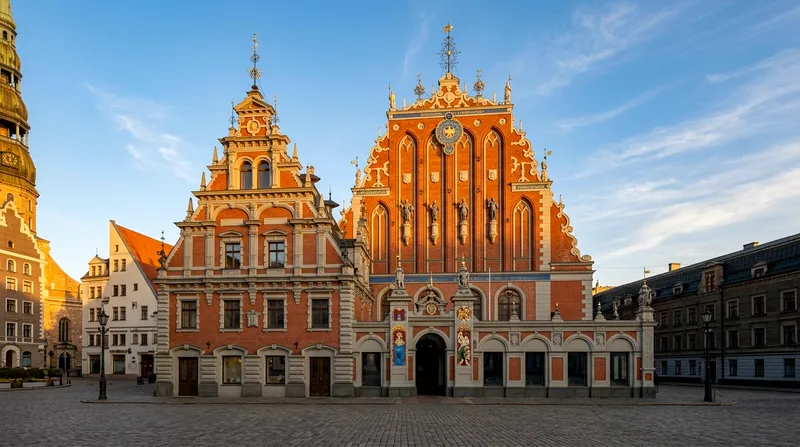
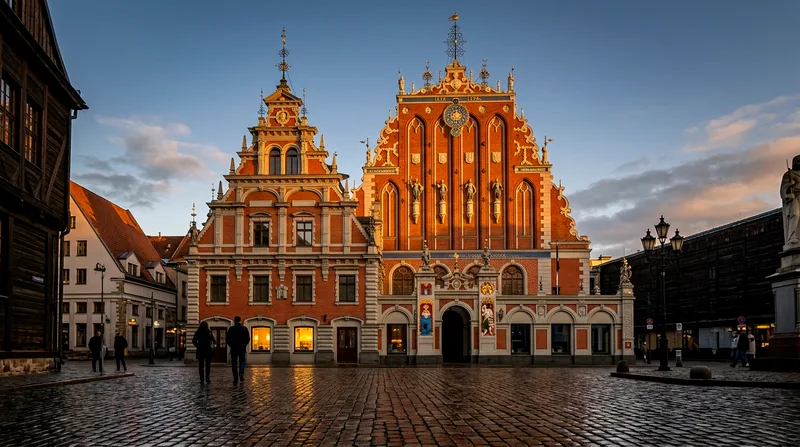
Day one stays entirely within walking distance, which is the right call — trying to mix in Art Nouveau or markets on day one usually means rushing everything. Old Town's core is small enough to cover in a day, with pockets worth lingering in rather than rushing past.
Morning: Riga Cathedral and Three Brothers
Start at Riga Cathedral (Rīgas Doms) around 9:30am, before tour groups arrive. The cathedral dates to 1211 and its organ, one of the largest in Europe when installed, is worth the modest entry fee of around €3-5 if you can catch a practice session. From there, walk ten minutes to the Three Brothers (Trīs brāļi) on Mazā Pils iela — three medieval houses spanning different centuries, the oldest from the 15th century. You can't go inside most of them, but the facades alone justify the stop, and it's a good spot to understand how Riga's merchant architecture evolved layer by layer. Budget 2-2.5 hours for this stretch including coffee.
Afternoon and Evening: St. Peter's Church and local dining
After lunch, head to St. Peter's Church. The real draw is the viewing platform near the top — accessible by lift, not stairs, which makes it workable for senior travelers — offering views over Old Town's red roofs and the Daugava River. Entry to the tower runs roughly €9-12. Expect 45 minutes including the lift queue in summer.
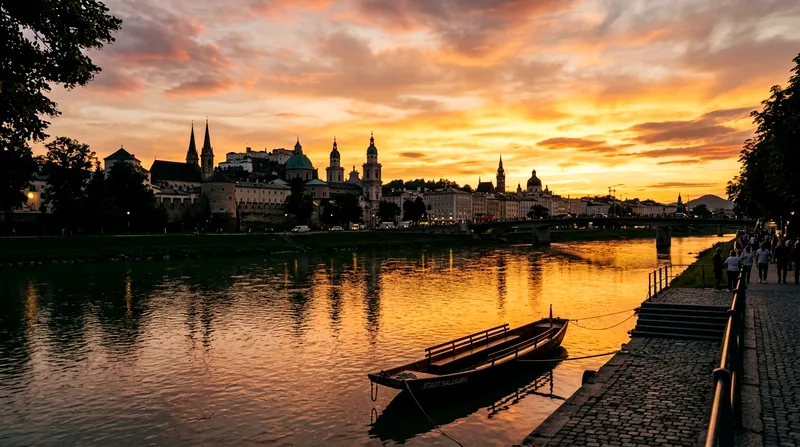
Spend the rest of the afternoon wandering the Town Hall Square and the Guild Halls before dinner. For food, avoid the restaurants directly on Rātslaukums — they're priced for tourists and the quality rarely matches. Walk two streets further for better value. A sunset river cruise along the Daugava is worth booking ahead for this evening; it runs about an hour and gives a different angle on the skyline than you get on foot. Check current prices and departure times before you book, since schedules shift by season.
Day 2: Art Nouveau and Cultural Attractions
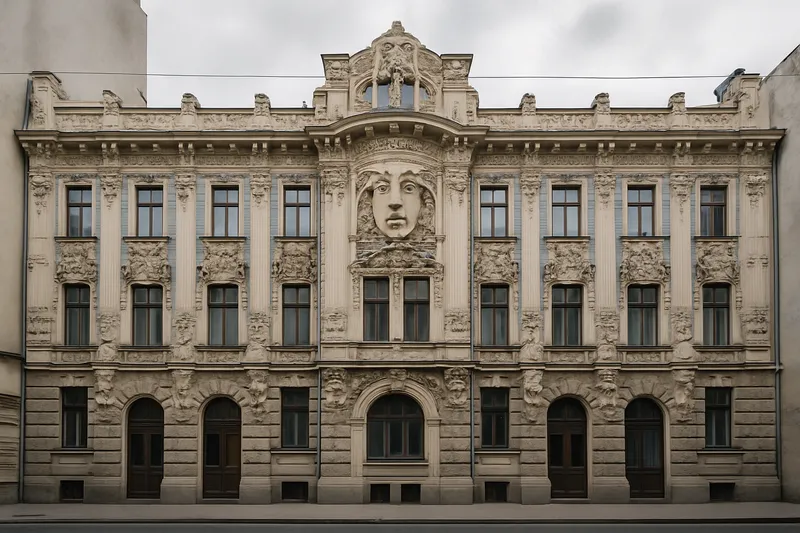
Riga holds the highest concentration of Art Nouveau buildings in Europe — estimates put it at over 800 structures, mostly in the district north of Old Town along Alberta iela and Elizabetes iela. This day shifts the pace from medieval alleys to wide boulevards, and it's a welcome contrast if day one felt dense and narrow.
Morning: Art Nouveau Museum and district walk
Begin at the Art Nouveau Museum (Jūgendstila muzejs) on Alberta iela 12, housed in a building designed by Konstantīns Pēkšēns. The museum itself is small — 30-40 minutes covers it — but the restored apartment interior gives real context for what you'll see on the street afterward. Entry is around €5-7. Spend the next 90 minutes walking Alberta iela and Elizabetes iela, where architect Mikhail Eisenstein's elaborately decorated facades stand out with their sculpted faces and peacock motifs. This walk is free and self-guided; a paper map from the museum or a downloaded route works fine without a guide.
Afternoon and Evening: Opera House and Central Market
Walk south toward the Latvian National Opera House, a neoclassical building worth seeing from outside even if you don't catch a performance — though tickets, when available, are notably cheap compared to Western Europe, often under €30 for good seats. From there, head to Riga Central Market, set in five former Zeppelin hangars near the train station. It's one of the largest markets in Europe and genuinely used by locals, not just tourists — expect smoked fish, pickled vegetables, and Latvian rye bread rather than souvenir stalls. Go before 6pm, as vendors start closing earlier than you'd expect. Dinner can be market-adjacent: several unpretentious cafés near the hangars serve solid Latvian food for less than Old Town prices.
Day 3: Day Trip to Sigulda or Jūrmala
This is where a 3-day Riga itinerary earns its extra day over a rushed 48-hour visit. Both options are reachable by train in under an hour, so you don't need a rental car, but they offer genuinely different experiences — pick based on whether you want forest and castles or coastline and architecture.
Sigulda suits travelers who want castles and hiking, while Jūrmala suits those wanting beach time and relaxed architecture.
3 Days in Riga: Day Trip Comparison for Sigulda and Jūrmala
| Destination | Train time from Riga | Best for | Main activity | Season |
|---|---|---|---|---|
| Sigulda | approx. 60 min | Hiking, castles, views | Turaida Castle, Gauja valley trails | Year-round, best autumn |
| Jūrmala | approx. 25-30 min | Beach, relaxed walking | Promenade, wooden villa architecture | Best June-August |
Typical train schedules; always check current timetables since frequency drops on weekends and in winter.
Sigulda: Castles and Gauja National Park
Sigulda sits about an hour from Riga by train, with regular departures throughout the day. It's the gateway to Gauja National Park, Latvia's largest protected area, and combines medieval ruins with genuine outdoor scenery — sandstone cliffs, river valleys, and hiking trails. Turaida Castle, rebuilt with its distinctive red brick, is the main sight, alongside the ruins of Sigulda Medieval Castle across the valley. Plan on 5-6 hours round trip including the train. If you want more structure, a guided day tour bundling transport, castle entry, and a stop at the bobsled track (used in Olympic training) is worth booking ahead rather than coordinating separately — check current prices and tour options before committing. Compared to Krakow's Wieliczka salt mine day trip, Sigulda is more about landscape than engineering spectacle.
Jūrmala: Beach and seaside relaxation
Jūrmala is closer — about 25-30 minutes by train from Riga Central Station — and suits travelers who want a slower, beach-town pace rather than hiking. Its 33-kilometer stretch of sand along the Gulf of Riga is lined with wooden villas, many from the 19th century, along Jomas iela, the main pedestrian street. It's a reasonable comparison to Jurmala versus Baltic beach towns near Gdansk, though the water here stays cooler longer into summer, so swimming is really only comfortable July through August. Even outside swimming season, the promenade walk and the architecture make it worth the half-day. This is the better choice for families with young children or anyone who finds Sigulda's trails too strenuous.
Getting Around Riga
You don't need a car for this itinerary, and renting one would arguably make things harder — Old Town is pedestrian-only in sections, and parking is limited and expensive. Riga's tram and bus network covers everything outside walking range, with single tickets around €2 when bought from the driver, or less if you use a reloadable e-talons card from a kiosk.
For day two's Art Nouveau district, it's a 20-25 minute walk from Old Town, or a 10-minute tram ride if your legs are tired from day one. For the day trip, both Sigulda and Jūrmala are served by regular trains from Riga Central Station — no need to book ahead, just check the electronic board for platform and departure time, since schedules aren't always posted far in advance online.
One thing to avoid: unlicensed taxis waiting outside the train station or near Town Hall Square. They often quote flat fares well above the metered rate. Use an app-based service instead — Bolt operates widely in Riga and is the most reliable option for short hops across town.
Where to Base Yourself
Where you stay shapes how your mornings feel, so it's worth thinking about beyond just price. Riga is compact enough that almost anywhere central works, but Old Town and the Art Nouveau district each offer a different rhythm.
Old Town accommodation
Staying inside Old Town puts you within walking distance of day one's entire itinerary and close to the river for the evening cruise. The trade-off is noise — cobblestone streets amplify foot traffic and bar chatter, especially near Town Hall Square, so ask for a room facing a courtyard if you're a light sleeper. Expect to pay a premium here compared to areas just outside the walls, often 15-20% more for comparable rooms.
Art Nouveau district options
Basing yourself near Alberta iela or Elizabetes iela means quieter nights and easier access to day two's walking route, plus a 15-20 minute walk into Old Town each morning. This area feels more residential and less geared toward tourists, which some travelers prefer — it's a closer comparison to staying in Vilnius's quieter streets than Old Town's dense core. The trade-off is a slightly longer walk back after dinner if you're not used to evening strolls.
Frequently asked questions
How many days in Riga is enough?
Three days is enough to see Old Town properly, walk the Art Nouveau district, and fit in one day trip without rushing. Two days works if you skip the day trip, but you'll miss Sigulda or Jūrmala entirely, which many visitors consider the highlight.
What are the best day trips from Riga?
Sigulda and Jūrmala are the two most practical, both reachable by train in under an hour with no car needed. Sigulda suits travelers wanting castles and Gauja National Park's hiking trails; Jūrmala suits those wanting beach time and 19th-century wooden architecture along Jomas iela.
Can you explore Riga without a car?
Yes, easily. Old Town and the Art Nouveau district are both walkable, trams and buses cover everything else for around €2 a ticket, and both recommended day trips run on regular train lines from Riga Central Station.
What should I not miss in Riga?
Riga Cathedral, the Three Brothers, St. Peter's Church tower view, the Art Nouveau facades on Alberta iela, and Riga Central Market in the old Zeppelin hangars. Skip the tourist-priced restaurants directly on Town Hall Square.
Where should I stay in Riga for 3 days?
Old Town gives you walking access to day one's sights and evening energy, though it's noisier and pricier. The Art Nouveau district offers quieter nights and a short walk into the center, which suits couples and senior travelers who prefer calmer streets.