A 4-day Riga solo travel itinerary mixing self-guided exploration with small-group tours — practical, social, and built for independent travellers.
Who This Itinerary Is For
This Riga solo travel itinerary is built for the traveler who wants both independence and the chance to talk to someone other than a waiter by day three. Riga is one of the more manageable European capitals for a first solo trip — the Old Town core is walkable in twenty minutes end to end, English is widely spoken among anyone under 50, and the city is cheap enough that a solo traveler isn't punished with a single-occupancy surcharge at every turn.
It suits people on a long weekend or a four-day break who want Art Nouveau architecture, a serious coffee and bar culture, and one or two day trips without needing a car. It's less suited to anyone chasing beach weather or wanting a party scene on the scale of Berlin's nightlife — Riga's bars close earlier and the crowd skews toward conversation over chaos, which is actually a plus for solo travelers but a letdown if that's not what you're after.
Compared with Vilnius, Riga has a livelier hostel scene and more organized small-group tours aimed specifically at solo travelers; compared with Tallinn, it's slightly less polished but cheaper and less cruise-ship-crowded in the Old Town. If you've done one Baltic capital already, Riga won't feel repetitive — the Art Nouveau district alone sets it apart.
Day 1: Old Town Exploration
Day one is about orientation, and Riga's Old Town is small enough that getting slightly lost is part of the plan, not a problem.
Morning: Cathedral Square & Riverside Walk
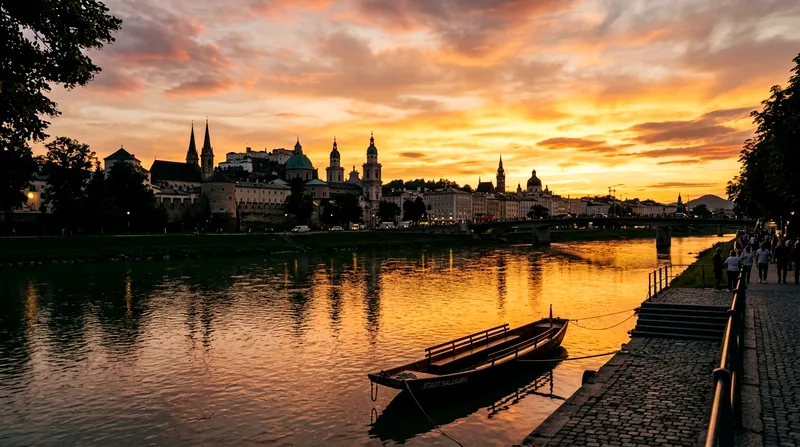
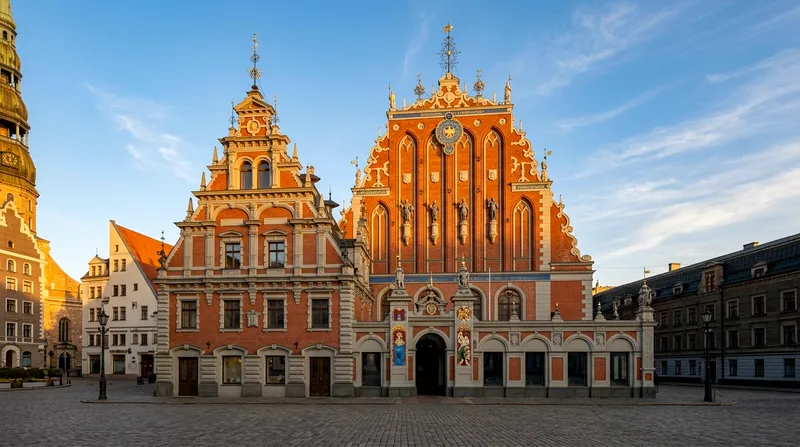
Start at Riga Cathedral (Doma laukums) around 9:30am, before tour groups arrive — the square is quiet and the cafés around it open early. Walk the ten minutes down to the Daugava River and follow the promenade south toward the Vansu Bridge; it's a flat, 25-minute round trip with good views back toward the Old Town skyline, including St. Peter's spire. This is a good solo-safe stretch to do early, well-lit and populated with locals walking dogs and jogging.
Book the free walking tour for 11am. Nearly every major European city has one now, and Riga's version (tip-based, roughly two hours) is genuinely useful for orientation and is the single best way to meet other solo travelers on day one — guides typically suggest a nearby spot for lunch or a drink afterward, and groups often continue together informally.
Afternoon & Evening: Narrow Streets & Cafés
After the tour, spend the afternoon wandering the narrow lanes around Jauniela and Tornu Street — this is where Riga's medieval layout survives best, with courtyards you'd never find on a map. Sit down somewhere rather than grazing standing up; solo travelers often default to quick bites, but a sit-down café (budget roughly €8-12 for a light meal) gives you a reason to linger and people-watch.
In the evening, head to one of the bars near Doma laukums that run regular quiz nights or live music — ask your walking tour guide for a current recommendation, since venues and nights rotate. If it's raining, the Latvian National Museum isn't in the Old Town proper but the smaller Museum of the Occupation, right at the edge of Old Town, is an indoor alternative that takes about 90 minutes and gives useful context for the rest of the trip.
Day 2: Art Nouveau & Local Culture
Day two moves you out of the medieval core and into the part of Riga most first-timers don't expect — entire streets of early-1900s Art Nouveau buildings, more concentrated here than almost anywhere else in Europe.
Morning: Architecture Walking Tour
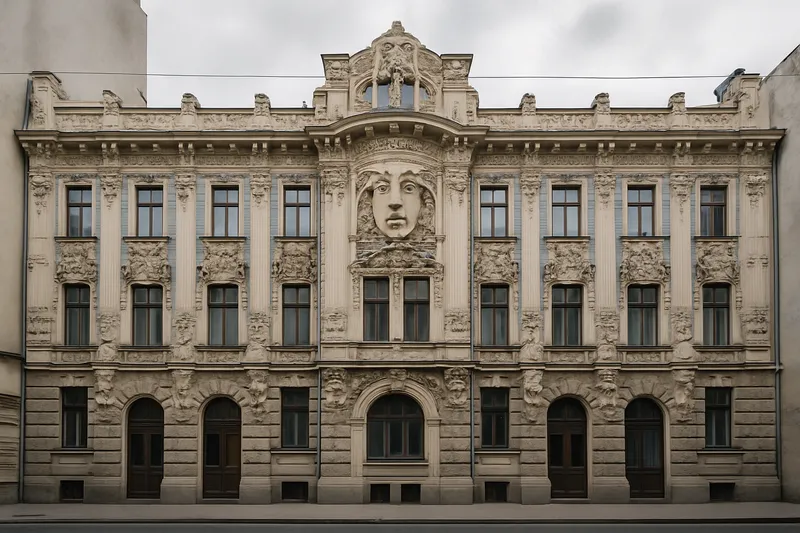
Head to Alberta iela and Elizabetes iela, about a 20-minute walk or a 10-minute tram ride from Old Town. This is the Art Nouveau District, and a guided architecture walk (typically 1.5-2 hours, small-group, bookable in advance) is worth paying for here rather than doing it free — a guide points out details on facades (sculpted faces, floral ironwork, asymmetric windows) that are easy to miss walking past at street level. These tours run in smaller groups than the Old Town free tour, often 8-12 people, which makes conversation easier.
If you'd rather go self-guided, pick up a printed Art Nouveau map from the Riga Tourism office near Town Hall Square before you head out — the district isn't well signposted and it's easy to miss the best buildings on Strelnieku iela.
Afternoon & Evening: Museums & Local Dining
Spend the afternoon at the Latvian National Museum of Art, a short walk from the Art Nouveau district — allow 90 minutes to two hours. It's not a huge collection but it's well curated and gives a clearer picture of Latvian identity than anything in the Old Town's souvenir shops.
For dinner, avoid the tourist-menu restaurants directly on Doma laukums — they're overpriced for mediocre food and poor value even by Riga's modest standards. Instead, head to the Miera iela area, a slightly bohemian street 15 minutes by tram from the center, with independent restaurants and natural wine bars that attract a mixed local-and-traveler crowd. It's a good spot to end up seated at a shared table.
Day 3: Nature & Day Trips
By day three most solo travelers want a change of pace, and Gauja National Park delivers it without requiring a rental car.
Sigulda and Gauja National Park offer the best solo day trip from Riga outside summer, while Jurmala suits warm-weather beach days only.
Riga day trip options compared for solo travelers
| Destination | Travel time from Riga | Best for | Solo-friendliness | Good season |
|---|---|---|---|---|
| Sigulda / Gauja National Park | approx. 1 hr by train | Hiking, castles, cable car | High — easy solo navigation | Spring to autumn |
| Jurmala | approx. 30 min by train | Beach, spa towns | Medium — quiet off-season | Summer only |
| Tallinn (overnight add-on) | approx. 4-4.5 hrs by bus | Old Town, ferries to Helsinki | High — hostel scene | Spring to autumn |
| Vilnius (overnight add-on) | approx. 4 hrs by bus | Baroque old town, cheaper prices | Medium — fewer solo tours | Spring to autumn |
Travel times as of 2024; check current train and bus schedules before booking, as frequency drops in winter.
Morning: Gauja National Park or Sigulda
Take an early train or bus to Sigulda — trains run roughly hourly from Riga Central Station, and the journey takes about an hour. Sigulda is the easiest gateway into Gauja National Park, Latvia's largest protected natural area, known for sandstone cliffs, medieval castle ruins, and forest trails along the Gauja River. A half-day loop covering Turaida Castle, the Gutmanis Cave, and the cable car over the valley is doable on foot in 3-4 hours and needs no guide, though a small-group day tour from Riga bundles transport and a local guide if you'd rather not navigate the bus schedule solo.
Compared with Jurmala, Riga's other common day trip (a beach resort town 30 minutes away), Sigulda is the better choice outside summer — Jurmala in cold weather is a grey, half-closed beach town, while Sigulda's forest trails work in most conditions short of heavy snow.
Afternoon & Evening: Return & Relaxation
Head back to Riga by early-to-mid afternoon — trains back run with similar frequency, so there's no need to rush. Use the evening as recovery time: a hostel common room, a sauna if your accommodation has one, or a quiet dinner near wherever you're staying. This is a good night to skip ambitious plans; four days of solo travel with constant stimulation gets tiring faster than people expect, and day three is where that catches up with most travelers.
If the weather turns bad before you even leave Riga, swap Sigulda for the Art Nouveau district (if you haven't finished it) or an indoor cooking class — several run in the city and are easy to book with a day's notice.
Day 4: Markets & Nightlife
Your last day is for souvenirs, food, and Riga's more social side.
Morning: Central Market & Souvenirs
Riga Central Market, housed partly in converted Zeppelin hangars from the 1930s, is a 10-minute walk from Old Town and one of the largest markets in Europe by physical size. Go before 11am to avoid the thickest crowds. It's divided into pavilions for meat, dairy, produce, and fish, plus an outdoor section for clothing and souvenirs. Try a cup of Latvian rye bread soup or smoked fish from one of the stalls — a filling snack costs roughly €3-5. It's also one of the few places in Riga where striking up a conversation with a vendor feels natural rather than forced.
Evening: Craft Breweries & Social Venues
For your last night, skip the generic Old Town pub crawl bars aimed squarely at stag parties — they're loud, overpriced, and not where you'll meet anyone worth talking to. Instead, look for one of Riga's craft beer bars (there's a cluster near the Art Nouveau district and a few scattered through Old Town) that run tasting flights; these attract a slightly older, more conversational crowd than the mainstream bars. A sunset boat tour along the Daugava River, generally 60-90 minutes and departing from the riverside near Old Town, is also worth booking for your last evening — it's a low-effort way to see the city lit up and often runs as a small group, which makes it easier to end up chatting with someone than a solo dinner would.
Getting Around Riga
Riga's Old Town is entirely walkable, and you won't need public transport for Days 1, 2, or 4 except the short tram hop to the Art Nouveau district or Miera iela. For Sigulda on Day 3, buy train tickets at the station or via the official rail app — there's no need to book ahead, and prices run low by Western European standards, typically under €5 each way.
If you're staying outside Old Town, pick up an e-talons card for trams and buses — it's reloadable and sold at kiosks and machines at major stops. Don't bother with multi-day tourist transport passes unless you're basing yourself far from the center; most solo itineraries like this one barely touch public transport.
One thing to avoid: unlicensed taxis idling near tourist sites. Use a ride-hailing app instead — it's standard practice in Riga and removes any pricing ambiguity, which matters more when you're traveling alone and can't split a fare or a disagreement with anyone.
Where to Base Yourself
Where you sleep shapes how social this trip feels more than almost any other decision.
Old Town (walkable, social hostels)
For a first solo trip, base yourself in Old Town. It puts Days 1, 2, and 4 within walking distance and means you're not relying on transport after dark. Riga has a decent cluster of sociable hostels here with common kitchens and organized pub crawls or game nights — useful if you're traveling alone and want built-in company without booking a tour every single day. The trade-off is noise: rooms near Old Town's bar streets can be loud until 1-2am on weekends, so ask specifically about room location when booking if you're a light sleeper.
Quiet Residential Areas (local experience)
If you've traveled solo before and want a quieter, more local feel, consider a guesthouse or apartment near Miera iela or the Art Nouveau district. You'll trade some walkability for a more genuine neighborhood experience and generally lower prices than central Old Town. The downside: less built-in social infrastructure, so you'll need to be more deliberate about booking group tours and activities to avoid eating alone every night — which is exactly what this itinerary's Day 1 and Day 3 tours are designed to offset.
Bookable Small-Group Tours
Across these four days, three bookable experiences are worth reserving ahead rather than winging it: the Art Nouveau architecture walk on Day 2, the Gauja National Park or Sigulda day tour on Day 3, and the sunset river boat tour on Day 4. All three run as small groups rather than private experiences, which matters if meeting people is part of your goal — a private tour is more comfortable but defeats that purpose entirely.
The free Old Town walking tour on Day 1 doesn't need advance booking, just show up at the usual meeting point (ask your accommodation for the current one, as these shift). For the paid tours, book 24-48 hours ahead in shoulder season and up to a week ahead in July and August, when Riga sees noticeably more visitors. Compare current small-group tours and prices before you book — options and group sizes change seasonally, and it's worth checking reviews for group size specifically, since an "intimate" tour that turns out to be 25 people defeats the point.
Frequently asked questions
Is Riga safe for solo travellers?
Riga is generally safe, including for solo female travelers, with low rates of violent crime in the areas tourists frequent. Standard precautions apply: watch for pickpocketing in Old Town crowds and around the Central Market, avoid poorly lit riverside paths late at night, and use licensed taxis or ride-hailing apps rather than unmarked cars outside bars. Street harassment is uncommon but not unheard of, mostly late at night near nightlife areas.
What is the best time to visit Riga solo?
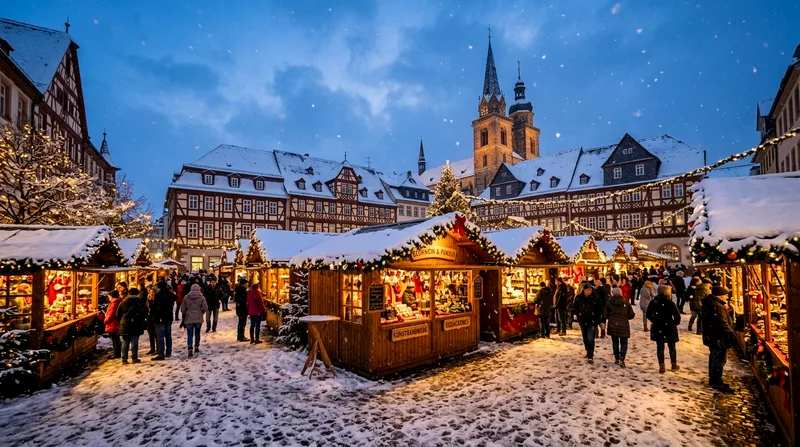
Late May to early September gives you the longest daylight and the best conditions for Sigulda and Gauja National Park, though July and August bring the most tourists and the highest hostel prices. Shoulder season — May or September — offers a good balance: fewer crowds, mild weather, and easier last-minute tour bookings. Winter is atmospheric around the Christmas markets but limits outdoor day trips and cuts daylight to around 7-8 hours.
How much does a solo trip to Riga cost?
A budget solo traveler can manage on roughly €50-70 per day covering a hostel bed, meals, local transport, and one paid activity. Mid-range travelers wanting a private room and a couple of tours should budget closer to €90-130 per day. Riga is noticeably cheaper than Helsinki and comparable to or slightly less than Tallinn, making it a solid choice for budget-conscious solo travel in Northern Europe.
Where should solo travellers stay in Riga?
Old Town is the easiest base for a short trip — walkable, central, and home to most of Riga's social hostels with common areas and group activities. If you want a quieter, more local feel and don't mind a 15-20 minute walk or short tram ride to the main sights, areas near Miera iela or the Art Nouveau district offer lower prices and a different pace.
Can you meet other travellers on solo tours in Riga?
Yes — the free Old Town walking tour, small-group Art Nouveau architecture walks, and Sigulda day tours are the three easiest ways to meet people, since groups typically socialize afterward over coffee or a drink. Hostel common rooms and organized pub crawls fill the same role in the evenings. Private tours and solo dining defeat this purpose, so if meeting people matters, prioritize the group options over private alternatives even if they cost slightly more.