A practical Riga winter itinerary covering Christmas markets, Old Town, Art Nouveau streets and day trips. 3 days of routes, timings and cosy backups.
Who This Itinerary Is For
This Riga winter itinerary is built for a 3- to 5-day trip in late November through December, when the Christmas markets are running and daylight runs out fast — sunset lands around 3:30-3:45pm by mid-December. It suits couples wanting a festive long weekend, solo travelers who like compact cities they can walk without a car, and European travelers hopping over from Tallinn, Vilnius, or a Baltic cruise stop. Senior travellers do well here too, since the Old Town is flat, dense, and most sights sit within a 15-minute walk of each other.
It's a poor fit if you're chasing outdoor adventure — no ski slopes, limited guaranteed snow, and Sigulda's bobsled track only runs on schedule with enough cold. Families with toddlers should also think twice: cobblestones get icy, strollers struggle, and the cosy cafes that make winter Riga bearable aren't always buggy-friendly. If you want a beach-forward trip, this isn't it; Jurmala in December is bracing and largely closed for the season, worth an afternoon but not a full day.
Three days covers Old Town and Art Nouveau properly. Four or five lets you add a day trip to Sigulda and Turaida, plus a slower pace with more café stops — which, in a city this cold, isn't a luxury so much as a necessity.
Day 1: Old Town and Markets
Day one stays entirely within Riga Old Town, which is compact enough to cover on foot even in snow or slush. Start late by summer standards — 10am is fine, since nothing opens much earlier and the light isn't worth chasing in December anyway.
Morning and Afternoon Exploration
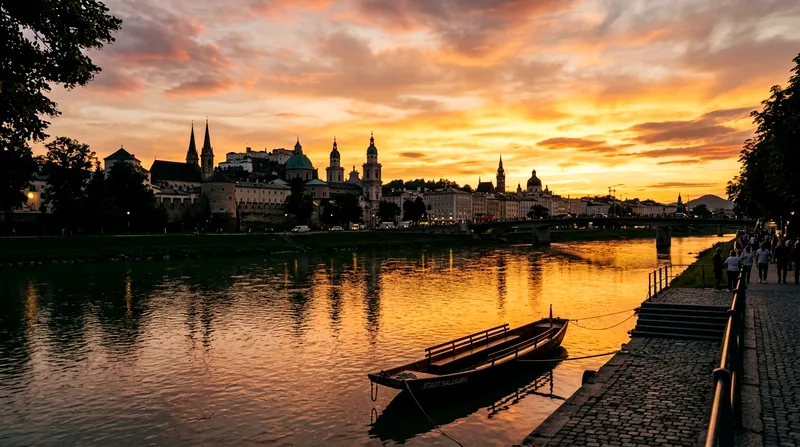
Begin at Doma Square, the heart of Riga Old Town and home to Riga Cathedral (Doms), one of the oldest churches in the Baltics, dating to 1211. From there, walk the five minutes to St. Peter's Church — its tower has an observation deck reachable by lift, running roughly 9am-6pm depending on season, and on a clear winter day gives you rooftop views over the red-tiled Old Town for about €9-10. Check current hours before you go, since December schedules shift around holidays.
Spend the early afternoon wandering the narrow streets toward the Three Brothers houses and the Swedish Gate, then duck into the Central Market (Centrāltirgus) in its former Zeppelin hangars — it's covered, heated enough to be comfortable, and a good lunch stop for smoked fish, rye bread, and hot soup for under €8. This is also where you escape the cold without sacrificing sightseeing, which matters more in Riga in December than people expect.
Evening Market Experience
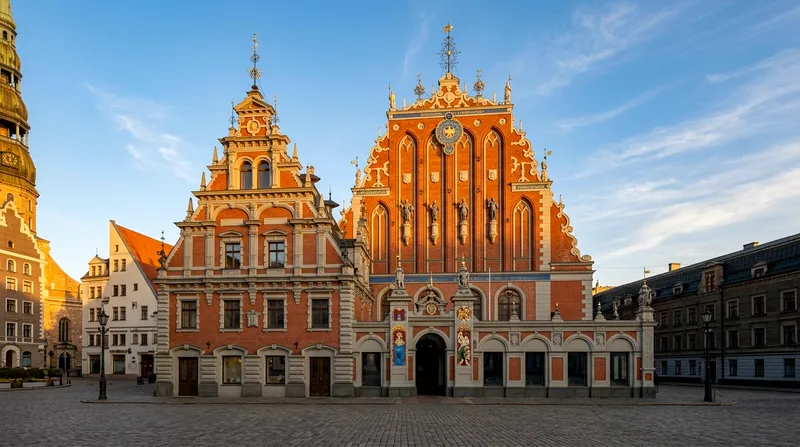
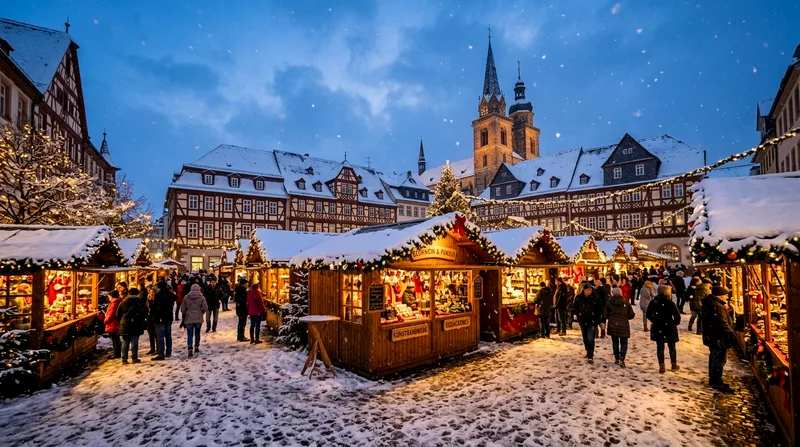
As dusk falls — early, around 3:30pm — head back to Doma Square for the main Christmas market, with wooden stalls selling mulled wine (karsts vīns), smoked cheese, knitted mittens, and amber jewellery. A second, smaller market often runs near Livu Square, a five-minute walk away, so you can cover both in one evening loop.
This is the one experience worth booking ahead: a guided Riga Christmas market tour (bookable through platforms like GetYourGuide) typically runs 2-3 hours, covers both main markets plus Old Town history, and costs somewhere in the €25-40 range per person. It's worth it mainly for context — guides explain the market traditions and point you to stalls locals actually use, which you'd otherwise miss wandering alone. If you'd rather skip a tour, the markets are easy enough to do solo; just budget an extra hour for getting slightly lost in the lanes.
Bad-weather backup: if it's sleeting hard, swap the second market loop for an hour in one of the Old Town's wine cellars or beer halls near Vecpilsētas iela — warm, atmospheric, and just as "Riga winter" as the markets themselves.
Day 2: Art Nouveau and Cafes
Day two moves beyond Old Town into Riga's Art Nouveau district, roughly a 20-minute walk or 10-minute tram ride north. This is where Riga separates itself from Tallinn and Vilnius — neither has anything close to this concentration of early-1900s facades, and it's the architectural reason Riga's historic centre is a UNESCO World Heritage Site.
Morning Architecture Walk
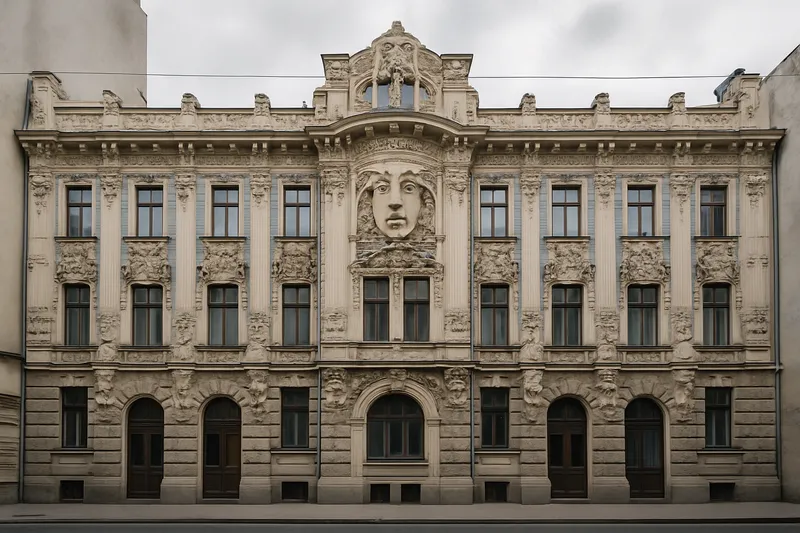
Alberta Street is the obvious anchor — a short street with roughly a dozen buildings designed largely by Mikhail Eisenstein, father of filmmaker Sergei Eisenstein, featuring sculpted faces, peacocks, and dramatic facades. Snow on the ledges and ornamentation actually improves the photos, so an overcast winter morning isn't a loss here. Budget 45-60 minutes, then walk nearby Elizabetes and Strēlnieku streets for more examples with far fewer visitors.
The Riga Art Nouveau Centre, in a restored apartment on Alberta Street, gives you an interior sense of period design — stairwells, stained glass, original fittings — for around €5-7 entry, and takes about 30-40 minutes. Worth it on a cold morning since it's indoors and genuinely well preserved, not a reconstruction.
Afternoon and Evening Indoors
Given the short daylight, plan the afternoon around being indoors. Riga has a strong café culture built partly out of necessity — long winters mean good coffeehouses. Look for places serving rupjmaize (dark rye) desserts and klingeris (saffron bread) alongside coffee; several sit along Kalēju and Skārņu streets in Old Town, a 15-minate walk back from Alberta Street.
For a bigger indoor option, the Latvian National Museum of Art (free entry some days, otherwise around €6) or the Riga Motor Museum are solid wet-weather fallbacks if you've had enough walking. Evenings are a good time for a sit-down Latvian dinner — grey peas with bacon, pork with sauerkraut — paired with local beer or black balsam, the bitter herbal liqueur that's as much a Riga souvenir as a drink.
Day 3: Winter Day Trip Options
If you've got a third day, this is where a car or an organized tour earns its cost — public buses run to both destinations below, but they're infrequent in winter and eat into daylight you don't have much of.
Sigulda and Turaida suit snow-season sightseeing better, while Jurmala is a shorter, quieter coastal break.
Riga winter day trips compared: Sigulda, Turaida and Jurmala
| Destination | Travel time from Riga | Typical cost | Best for | Winter caveat |
|---|---|---|---|---|
| Sigulda | approx. 1 hour | €2-3 bus, €35-60 tour | Castle ruins, forest scenery | Cable car may pause in deep cold |
| Turaida Castle | approx. 1 hour plus short local transfer | €5-7 entry | Preserved medieval castle, museum reserve | Grounds best with snow cover |
| Jurmala | 25-30 min by train | approx. €2 each way | Quiet beach walk, sea air | Most cafes and shops closed for season |
Typical figures; winter transport schedules and attraction hours vary, so check before you travel.
Sigulda and Turaida Castles
Sigulda sits about an hour from Riga by bus or car, in the Gauja National Park. In winter, the ruined Sigulda Medieval Castle and the much better-preserved Turaida Castle — a deep red brick fortress dating to the 13th century — both look genuinely better under snow than in summer green. Turaida's grounds include a museum reserve and sculpture garden; entry runs around €5-7, and you'll want 2-3 hours to cover both castles plus the short walk between them.
A half-day or full-day Sigulda tour from Riga, bookable in advance, typically costs €35-60 depending on group size and whether it includes the cable car across the Gauja valley (not always running in deep winter — check before booking). Going independently by bus is cheaper, around €2-3 each way, but schedules thin out after 4pm, so plan your return before dark. Compare current Sigulda tour options and prices before you book, since winter schedules shift year to year.
Jurmala Coastal Alternative
Jurmala, 25-30 minutes from Riga by train (around €2 each way), is a different kind of day trip — a seaside resort town that's half-asleep in December. The beach itself is bracing and often windswept, wooden promenade mostly empty, many restaurants closed for the season. Go for a brisk 1-2 hour walk and the atmosphere, not a packed itinerary.
I'd only recommend Jurmala over Sigulda if you specifically want sea air and a quieter pace, or if there's no snow and Turaida's grounds would look flat and brown rather than wintry. With snow on the ground, Sigulda wins easily — it's simply the more rewarding day out.
Getting Around Riga in Winter
Riga Old Town is walkable, full stop — most of Day 1 and much of Day 2 needs no transport at all. For the Art Nouveau district or crossing the river to the Āgenskalns side, trams and buses run frequently, with a single ticket costing around €2 if bought from the driver or less via the Rīgas Satiksme app.
Pack for genuine cold: average December temperatures sit between -1°C and 3°C, but wind off the Daugava river and damp air make it feel colder than the number suggests. Waterproof boots with real grip matter more than a heavy coat — icy cobblestones in Old Town are the main hazard, not the temperature itself. Taxis and ride-hailing apps (Bolt is widely used locally) are cheap by Western European standards, useful for the days you've simply had enough of walking.
One thing to avoid: renting a car just for the city days. Old Town is largely pedestrianized, parking is limited and expensive, and you won't need one until the Sigulda day — and even then, a tour or bus beats navigating snow-covered rural roads you don't know.
Where to Base Yourself
Where you sleep shapes how much of this itinerary feels easy versus exhausting, especially with limited daylight and cold streets.
Old Town Proximity
Staying inside or right at the edge of Old Town puts Doma Square, St. Peter's Church, and both Christmas markets within a 5-10 minute walk — valuable when it's dark by 4pm and you don't want a long walk back in the cold. Expect to pay more here, and expect some noise near Livu Square on weekend nights. Rooms book up fast in the two weekends before Christmas, so reserve at least a month out if you want a central location at a reasonable rate.
Modern District Convenience
The area around Riga Central Station and the newer district toward Elizabetes iela offers cheaper rooms, easy tram access, and proximity to Central Market — generally a 10-15 minute walk to Old Town's edge. It's a reasonable trade-off if you're budget-conscious or staying 4-5 nights and don't mind a slightly longer walk home after the markets close, typically around 8-9pm in December.
Frequently asked questions
How many days should I spend in Riga in winter?
Three days covers Old Town, the Christmas markets, and the Art Nouveau district comfortably without rushing. Four or five days lets you add a Sigulda and Turaida day trip plus slower café stops, which matters more in winter since short daylight limits how much you can pack into each day.
What are the best Christmas markets in Riga?
The main market at Doma Square is the largest and most atmospheric, with a lit tree and dozens of wooden stalls selling mulled wine and handicrafts. A smaller market near Livu Square, a five-minute walk away, is worth adding to the same evening since both typically run from late November into early January.
What indoor activities are available during winter?
St. Peter's Church tower, the Riga Art Nouveau Centre, the Latvian National Museum of Art, the Riga Motor Museum, and the covered Central Market all work well on cold or wet days. Each takes 30 minutes to an hour, making them easy to slot between outdoor Old Town walking without losing the day to the weather.
What day trips can I take from Riga in December?
Sigulda and Turaida Castle, about an hour away, are the strongest winter day trip — the medieval ruins and brick fortress look better under snow than in summer. Jurmala, a 25-30 minute train ride, offers a quieter coastal walk but most shops and restaurants there close for the season.
Is Riga worth visiting in winter?
Yes, provided you plan around short daylight and cold snaps rather than against them. The Christmas markets, Art Nouveau architecture, and café culture are genuinely better experienced in December than in peak summer crowds — just pack proper waterproof boots and expect sunset around 3:30-3:45pm.