Maximize your 24 hours in Riga with this hour-by-hour itinerary. Explore Old Town, Art Nouveau, markets & museums with pre-booked tour tips.
Who This Itinerary Is For
This one day in Riga itinerary is built for people with roughly 10-12 waking hours in the city — cruise passengers on a port call, travelers with a long layover between Tallinn and Vilnius, or anyone adding a quick Riga stop to a wider Baltic trip. It assumes you're starting the morning in or near the Old Town and don't need to factor in arrival from the airport, which sits about 25-30 minutes from the center by taxi or bus.
If you're a slow traveler who likes lingering over coffee for two hours, adjust your expectations — this schedule moves. It's realistic, not rushed, but it doesn't leave room for a spontaneous half-day detour. Solo travelers and couples will find the pacing comfortable; families with young children should expect to cut one stop, most likely the Art Nouveau walk, since toddlers tire of architecture faster than adults do.
Senior travelers managing mobility issues should note that Old Town's cobblestones are uneven in places, and Riga Cathedral's interior involves some standing and walking on stone floors. None of the distances are long — most of day one happens within a 2 km radius — but the surfaces aren't level. If that's a concern, prioritize the morning Old Town walk and the Central Market, and treat Alberta Street as optional, reachable by tram if legs are tired.
One honest caveat: this itinerary covers Riga itself, not day trips to Sigulda's castles or Jurmala's beach promenade. Both are worth a separate day. Trying to squeeze either into this schedule means rushing everything else, and Riga's Old Town deserves better than a half-hearted pass-through.
This itinerary moves through four zones of Riga in roughly ten hours, from medieval Old Town in the morning to canal-side parks at night.
One day in Riga itinerary at a glance: time blocks, locations and highlights
| Time Block | Area | Highlight | Good For |
|---|---|---|---|
| 8:00–10:00 AM | Old Town (Vecrīga) | House of the Blackheads, St. Peter's Church | Photos, quiet streets |
| 10:00–12:00 PM | Old Town | Freedom Monument, Riga Cathedral | History, guided tour |
| 12:00–2:00 PM | Central Market | Food stalls, dairy pavilion | Budget lunch |
| 2:00–5:00 PM | Art Nouveau District | Alberta Street facades | Architecture, photos |
| 5:00–7:00 PM | Bastejkalns Park | City Canals, boat views | Relaxed walking |
| 7:00 PM+ | Old Town / center | Dinner, live music venues | Evening dining |
Typical timings; adjust by an hour in winter when daylight and opening hours are shorter.
Morning: Old Town & Landmarks
Start early. Riga's Old Town (Vecrīga) is genuinely pleasant before 10 a.m., when tour groups and cruise crowds haven't yet arrived and the light is good for photos. This is also when cafés are quietest, so breakfast doesn't mean queuing.
8:00–10:00 AM: Vecrīga exploration
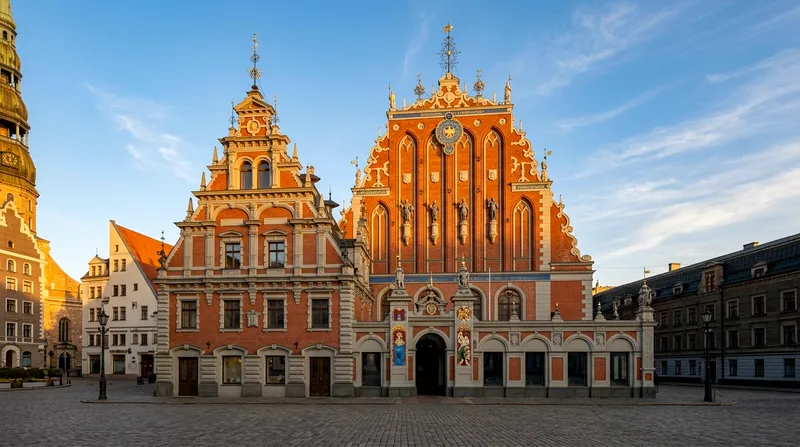
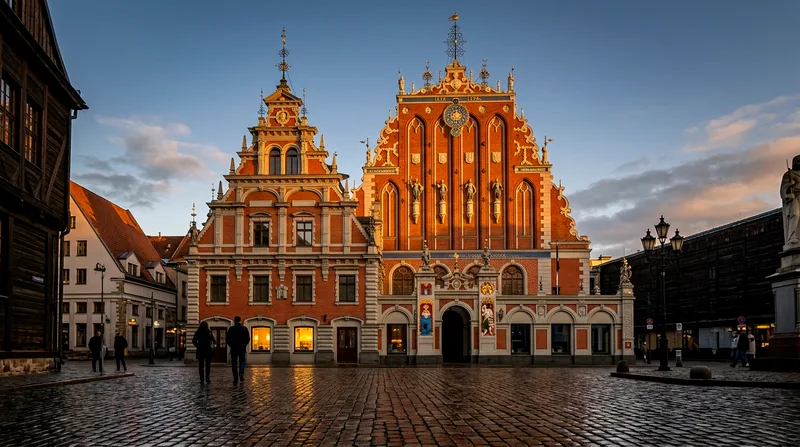
Begin at the House of the Blackheads, the reconstructed Gothic guild hall with its ornate step-gabled facade — it's one of the most photographed buildings in the Baltics and worth seeing before tour buses unload nearby. From there, wander the narrow streets toward St. Peter's Church; if you want the best panoramic photo spot in the city, the church's observation deck (accessible by lift, roughly €9-10 for adults) opens at 10 a.m. in the warmer months, so arrive right at opening to beat the queue. Grab coffee and a pastry at one of the small bakeries along Kaļķu or Šķūņu iela rather than the cafés directly on the main square, which charge a premium for the view. Budget 20-30 minutes of pure wandering with no fixed stops — Old Town's appeal is in the alleys, not just the named landmarks.
10:00–12:00 PM: Freedom Monument & Cathedral
Walk to the Freedom Monument, Riga's central symbol of independence, where a changing of the guard happens on the hour during daylight — worth timing if you're nearby. From there it's a five-minute walk to Riga Cathedral (Rīgas Doms), the largest medieval church in the Baltic states, with an interior organ dating to the 1880s that's still used for concerts. If you prefer a different architectural style, the Nativity of Christ Cathedral, a Russian Orthodox church with gold onion domes, sits about 10 minutes away near Esplanade Park and makes a worthwhile detour if you have time to spare.
This is the block where a guided walking tour earns its cost. A 2-2.5 hour guided Old Town tour covers the backstory of these buildings — the guild rivalries, the Soviet-era history, the 800-year timeline — far better than reading plaques alone. Book this in advance for midweek summer mornings, when slots fill up with cruise groups. Compare current Riga walking tour options and prices before you book, and check whether the tour includes cathedral entry or just the exterior.
Afternoon: Art Nouveau & Markets
After a morning of Gothic and medieval architecture, the afternoon shifts entirely in character — this is where Riga separates itself from Tallinn and Vilnius, neither of which has anything close to this concentration of Art Nouveau buildings.
12:00–2:00 PM: Riga Central Market
Riga Central Market, housed partly in converted Zeppelin hangars from the 1930s, is one of the largest markets in Europe and the easiest way to eat lunch without tourist markup. Head to the dairy pavilion for cheese and smoked fish, or the food stalls clustered near the main entrances for Latvian classics like pelēkie zirņi (grey peas with bacon) or hearty soup served in bread bowls. Expect to spend €6-10 for a filling lunch. Avoid the stalls directly facing the main pedestrian paths — prices run higher there than just one aisle deeper in. The market gets crowded on Saturday mornings with locals doing weekly shopping, so a weekday visit is calmer if your schedule allows it.
2:00–5:00 PM: Alberta Street & Art Nouveau District
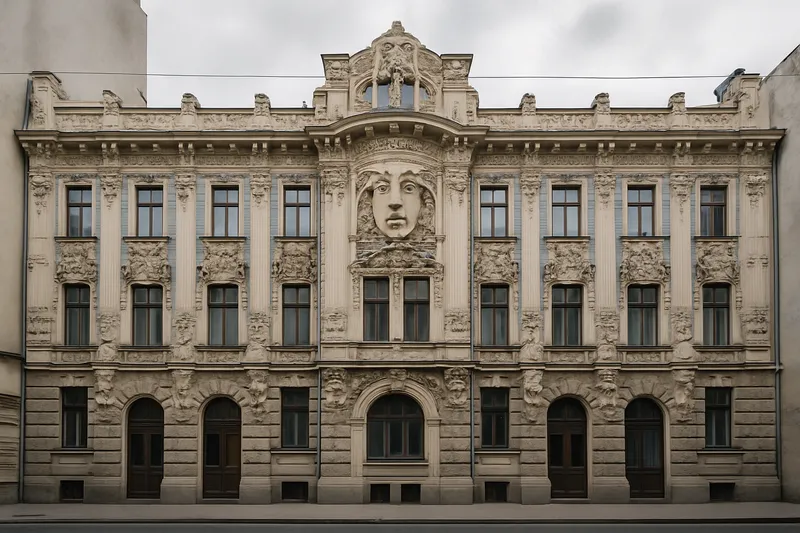
From the market, it's roughly a 20-minute walk or a quick tram ride to Alberta Street, the heart of Riga's Art Nouveau district — around a third of the buildings in central Riga were built in this style, more than almost any other European city. Architect Mikhail Eisenstein designed several of the most elaborate facades on this street alone, with sculpted faces, peacocks, and stylized floral motifs worth slowing down for. Bring a wide-angle phone lens or step back across the street for the best photos; the buildings are tall and the street is narrow.
If architecture history interests you, the Art Nouveau Museum nearby (inside a real Art Nouveau apartment building, entry around €7-9) recreates a period interior and is a good wet-weather fallback. On a tired-legs day, skip the walking and instead take tram line 11 along a route that passes several Art Nouveau streets, giving you a seated, scenic alternative.
Evening: Canals, Parks & Dining
The pace should ease here. After an afternoon of architecture, Bastejkalns Park and the surrounding canals give your legs a break while still delivering some of Riga's best views.
5:00–7:00 PM: Bastejkalns Park & City Canals
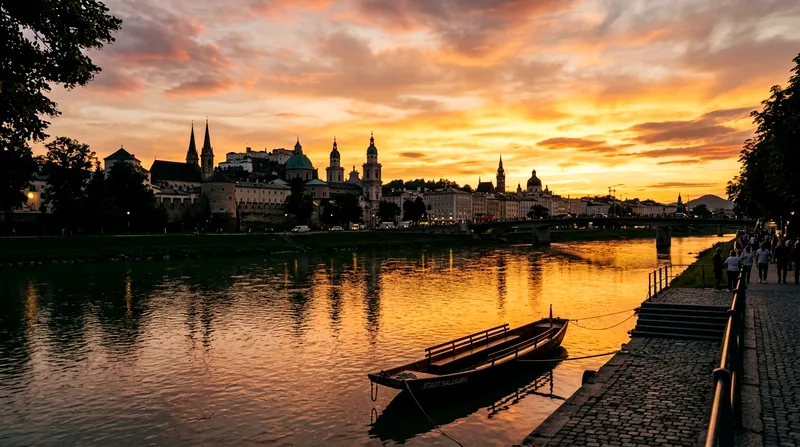
Bastejkalns Park follows the old city moat, now a landscaped canal lined with willow trees, and connects Old Town to the wider green belt around the center. A short canal boat ride is the one genuinely bookable experience worth reserving in advance for this slot — a 40-50 minute loop that passes the National Opera, Old Town's edge, and out toward the Daugava River, with the best light arriving in the hour or two before sunset. Boats run on a schedule that varies seasonally, so compare current canal boat tours and prices before you book, especially if you're visiting between May and September when demand is higher. If boats aren't running or it's raining, walking the park loop on foot takes about 30 minutes and costs nothing — a reasonable fallback that still hits the same photo spots from the bridges.
7:00 PM+: Dinner & nightlife options
For dinner, skip the restaurants directly on Rātslaukums (Town Hall Square) — the setting is pretty but the food is mediocre and priced for one-time tourists. Instead, walk a few streets back into Old Town or toward the Miera iela area for modern Latvian or Baltic-fusion restaurants where mains run €14-22. If you want live music, several Old Town cellar bars host jazz or folk sets most nights in summer; in winter, options thin out, so check ahead. Riga's nightlife is calmer than Berlin's or Krakow's — it's a good city for a relaxed last evening rather than a big night out, and that's by design, not a shortcoming.
Getting Around Riga
Riga rewards walking. Old Town, Art Nouveau district, and the Central Market all sit within about 2-2.5 km of each other, so for this itinerary you may not need public transport at all beyond the optional tram ride to Alberta Street.
If you're staying further out, or your legs need a rest, Riga's trams, buses, and trolleybuses run on a single ticket system — a single ride costs around €1.50 if bought from the driver, less with a reloadable e-talons card from a kiosk. A 24-hour transport pass is worth it only if you're taking more than three or four rides, which this particular itinerary doesn't require. Taxis and ride-hailing apps are cheap by Western European standards — a cross-town ride typically runs €5-8 — and useful if you're short on time getting from the airport or a hotel outside the center.
One thing to avoid: don't rent a car for a single day in Riga. Old Town is largely pedestrianized, parking is limited and metered aggressively near the center, and nothing on this itinerary benefits from having a vehicle. Save the car rental for a Sigulda or Jurmala day trip, where public transport options are thinner.
Where to Base Yourself
Where you sleep matters more for a one-day visit than a week-long one, since every hour saved on transit is an hour added to sightseeing.
Old Town accommodation benefits
Staying inside or right at the edge of Old Town means you can start walking at 8 a.m. without a commute, and end the night at a nearby bar without worrying about last transport. Expect to pay more here than elsewhere in Riga — a mid-range double room typically runs €80-130 a night in peak summer months — and expect some street noise on weekend nights near the main squares. Book a room on a quieter side street (Jauniela or Audēju iela, for instance) rather than directly on Doma laukums if noise bothers you.
Alternative neighborhoods
The Art Nouveau district around Alberta Street and Elizabetes iela is a reasonable alternative — slightly cheaper, still walkable to Old Town in 15-20 minutes, and you wake up surrounded by the architecture rather than visiting it as a day-trip stop. The Miera iela area, further out, suits travelers who prefer a local, less touristy base and don't mind a short tram ride each morning. Avoid booking near the central bus or train station purely for convenience — it's functional but charmless, and you lose the atmosphere that makes a short Riga visit worthwhile in the first place.
Frequently asked questions
How many days in Riga is enough?
One full day covers Old Town and the Art Nouveau district comfortably. Two days lets you add the Central Market at a slower pace plus a museum or two; three days allows a day trip to Sigulda or Jurmala. If you're combining Riga with Tallinn and Vilnius on a Baltic trip, one to two days in Riga is typical and sufficient for the highlights.
What should I not miss in Riga?
Riga Old Town's House of the Blackheads and Riga Cathedral, the Art Nouveau facades on Alberta Street, and Riga Central Market's food stalls are the non-negotiables. If you have any extra time, the Freedom Monument's changing of the guard and a walk through Bastejkalns Park round out the essential list well.
Are guided tours worth it in Riga?
For Old Town, yes — a 2-2.5 hour guided walking tour adds historical context (Hanseatic trade history, Soviet occupation, independence) that's easy to miss reading plaques alone. For the Art Nouveau district, self-guided works fine with a map, since the appeal is mostly visual rather than narrative-heavy.
Where should I eat in Riga?
Riga Central Market for a cheap, authentic lunch (€6-10), and a sit-down restaurant off the main tourist squares for dinner (€14-22 per main). Avoid restaurants directly on Rātslaukums — prices run high for food that's noticeably below the standard found a few streets away.
How do I get around Riga efficiently?
Walk — Old Town, Central Market, and Art Nouveau district are all within roughly 2 km of each other. Use trams or buses (around €1.50 per ride) only if you're staying outside the center or your legs need a break; a car isn't useful for a single-day visit.