Compare Riga Old Town walking tour types by duration, group size, and style. Find the right guided walk for your pace, interests, and budget.
Riga Old Town Walking Tour: Getting Your Bearings
Riga's Old Town — Vecrīga to locals — is compact enough to walk in an afternoon but dense enough with history that most people miss half of it without a guide. This is a UNESCO World Heritage site built on a thousand years of Hanseatic trade, German, Swedish, and Russian rule, and a short but intense window of Art Nouveau wealth around 1900. Cobblestone lanes wind past the Swedish Gate, the Freedom Monument, and facades carved with sphinxes and screaming faces that most visitors walk right past.
A Riga Old Town walking tour solves a real problem: the city doesn't explain itself. There are few information panels, and the story of why a 13th-century trading post ended up with more Art Nouveau buildings than Vienna isn't obvious from the street. The question isn't whether to take a guided walk — it's which type. Group size, duration, and guide quality vary more than most people expect, and picking wrong means either rushing past the Central Market's old Zeppelin hangars or standing around while a guide repeats information available on any plaque.
Tour Categories: Duration, Group Size, and Style
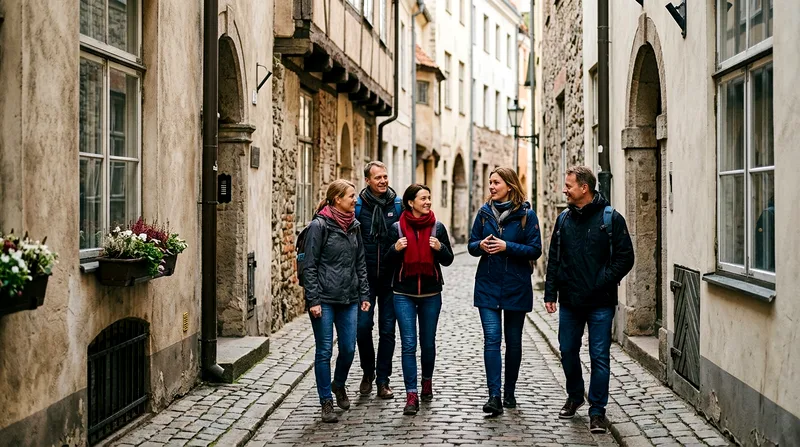
Riga's walking tour market splits into a handful of clear categories, and each one trades off time, cost, and depth differently. Free walking tours (tip-based, typically 2–2.5 hours) cover the greatest-hits route: Town Hall Square, the Three Brothers houses, St. Peter's Church, and the Freedom Monument. Paid small-group tours run longer, often 2.5–3.5 hours, and usually include entry to one interior site or a tasting stop — Riga Black Balsam is a common one. Private tours can be scheduled to any length, from a tight 90-minute highlights walk to a half-day combining Old Town with the Art Nouveau district on Alberta iela.
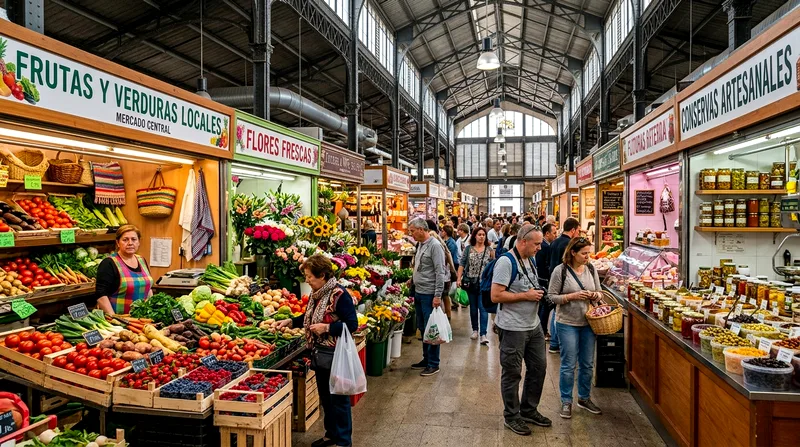
There's also a growing category of themed walks — Art Nouveau architecture tours, Soviet-history walks, food-and-market tours through Central Market — that go deep on one subject instead of covering the whole Old Town chronologically. I'd steer most first-time visitors away from a themed tour as their only Riga walk; you get rich detail on one angle but miss basic orientation you'll want for the rest of your stay.
Short free tours suit a single afternoon, while private and themed walks reward travelers who want depth over speed.
Riga Old Town walking tour categories compared by duration, group size, and cost
| Tour Type | Typical Duration | Group Size | Typical Cost | Best For |
|---|---|---|---|---|
| Free walking tour | 2–2.5 hours | Large (15–25) | Tip-based | First-timers, tight budgets |
| Standard paid group tour | 2.5–3.5 hours | Medium (8–15) | Budget-mid | Couples, solo travelers |
| Private guided tour | Flexible, 1.5–4 hours | 1–6 people | Higher, flat rate | Families, senior travelers |
| Art Nouveau themed walk | 1.5–2.5 hours | Small-medium | Mid-range | Architecture enthusiasts |
| Food/market walking tour | 2.5–3 hours | Small (6–12) | Mid-high | Couples, foodies |
Figures are typical ranges based on widely published tour structures; always check current prices and availability before booking.
Short tours (1–2 hours) vs. extended walks
A 60–90 minute tour is enough to see the core landmarks — Dome Square, the Three Brothers, the Swedish Gate — and get basic historical framing, but it moves fast and skips interiors. It suits travelers with one afternoon in Riga, often cruise passengers or those combining Riga with a day trip to Jurmala or Sigulda. Extended walks of 2.5 to 3.5 hours go further: into courtyards, up to viewpoints, sometimes into St. Peter's Church tower (separate ticket, roughly €9–12, not usually included). If your schedule allows it, the longer version is worth the extra hour — the difference in actual storytelling time is significant, not just more walking.
Group tours vs. private guided experiences
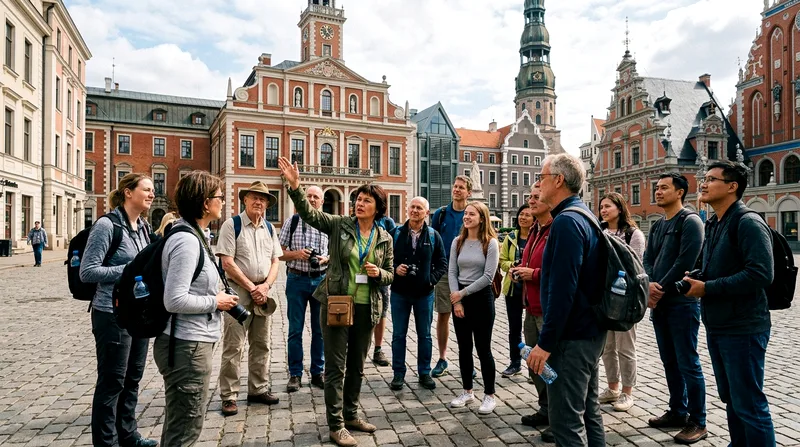
Standard group tours run anywhere from 8 to 25 people depending on season and platform. They're cheaper per person — often in the €15–30 range for a paid tour, or tip-what-you-want for free tours — but you lose the ability to ask follow-up questions or slow down at something that interests you. Private tours cost considerably more, frequently structured as a flat rate for up to 4–6 people rather than per-head, which actually makes them reasonable value for couples or families splitting the cost. If you're traveling with kids who get bored by lecture-style delivery, a private guide can adapt on the spot — group guides generally can't.
Who Each Tour Type Suits Best
Not every traveler needs the same walk. Matching tour style to your actual interests and stamina matters more than finding the "best-rated" option on GetYourGuide or Viator — ratings cluster tightly in Riga because the core route is nearly identical across providers.
Solo travelers and history enthusiasts
Solo travelers get the most value from small-group or themed tours. You'll meet other travelers, the per-person cost stays low, and you're not locked into a private guide's conversational pace. History enthusiasts specifically should look past the standard overview tour toward something focused — a medieval Old Town walk that digs into the Hanseatic League and the Livonian period, or a dedicated Art Nouveau tour covering the facades on Alberta and Elizabetes streets. A generalist 2-hour walk will mention these topics in passing; a themed tour spends 90 minutes on just one.
Families and casual visitors
Families with children under 10 generally do better with a private tour or none at all — a scripted 2.5-hour group walk with a lot of standing-and-listening tests most kids' patience past the one-hour mark. If budget allows, a private guide can shorten stops, add a Central Market food break, and skip the parts that don't land with children. Casual visitors who just want orientation and photos are well served by a short free tour; you'll see the Freedom Monument, House of the Blackheads, and the Swedish Gate without overcommitting an afternoon better spent at Jurmala's beach or exploring on your own.
What to Look for When Booking a Riga Historic Centre Tour
Before you book, read past the star rating. A 4.7-rating with 40 reviews tells you less than a 4.5 with 2,000 reviews on Tripadvisor or Viator — check the review count, not just the score, and skim the three-star reviews specifically, since that's where people mention real problems like a rushed pace or a guide reading from notes.
Inclusions, cancellation policies, and accessibility
Check exactly what's included before comparing prices — some tours bundle a Riga Black Balsam tasting or church tower entry, others charge these separately, which makes a "cheaper" tour not actually cheaper once you add extras. Free cancellation up to 24 hours before start time is standard on GetYourGuide and Viator; avoid anything with no-refund policies unless you're certain of your schedule, since Riga's weather and flight connections through Riga International Airport can shift plans quickly. On accessibility: Old Town's cobblestones are uneven and some lanes are narrow and sloped, so wheelchair users and travelers with limited mobility should message the operator directly before booking rather than assume a "walking tour" is step-free.
Guide expertise and language options
English-language tours are widely available, but German, Russian, and Scandinavian-language options exist too, especially for private bookings — useful since Riga draws heavy traffic from Helsinki and Stockholm via short ferry and flight connections. Look for guides described as licensed or certified local guides rather than general tour staff; Riga has a formal city guide certification, and tours that mention it tend to deliver sharper storytelling than generic franchised walks repeated across Tallinn, Vilnius, and Krakow by the same multinational operator.
When to Book Your Walking Tour
Riga gets a real tourist season, and it affects both availability and comfort. June through August brings the longest daylight and the biggest crowds — Town Hall Square and the lane past the Three Brothers can feel genuinely crowded by midday in peak summer, especially when cruise ships are in port. Shoulder months — May, September, early October — give you comparable weather with noticeably thinner crowds and easier last-minute booking.
Seasonal considerations and advance booking
Winter tours (November–March) run shorter daylight windows and colder temperatures, but cobblestones can be icy, which matters more here than in Vilnius or Gdansk, where Old Town streets tend to be flatter. Book free walking tours same-day or a day ahead in any season — they run almost daily. Private and themed tours deserve more lead time, especially in July and August: booking 3–5 days ahead keeps your preferred time slot open, and during Riga's Christmas market season (late November through December), popular evening tours can fill up a week out.
Frequently asked questions
How long is a typical Riga Old Town walking tour?
Most run 2 to 2.5 hours for a standard overview, covering the main square, Swedish Gate, and Freedom Monument. Extended or themed tours run 2.5–3.5 hours, while quick orientation walks can be as short as 60–90 minutes. Private tours flex to whatever length you book.
What landmarks are included in Old Town tours?
Expect the Freedom Monument, Swedish Gate, Town Hall Square, House of the Blackheads, St. Peter's Church exterior (tower climb usually extra), and the Three Brothers houses. Many tours also pass near Central Market and point out Art Nouveau buildings just outside the medieval core, even if the full Art Nouveau district isn't covered in depth.
Can I book a private walking tour of Riga Old Town?
Yes — private guides are widely available through platforms like GetYourGuide and Viator, usually priced as a flat rate for up to 4–6 people rather than per person. This makes them reasonable value for families or small groups, and you can customize the route, pace, and focus, including combining Old Town with Art Nouveau streets or a Central Market food stop.
What is included in a Riga Old Town walking tour?
Typically a licensed or experienced guide, a fixed walking route through the main landmarks, and historical commentary. Some tours add a Riga Black Balsam tasting, church tower entry, or small-group photo stops. Transport, food beyond a tasting, and entry tickets to museums are usually separate — check the listing's inclusions section carefully before paying.
What is the best time to book a Riga Old Town tour?
Shoulder season (May, September, early October) offers good weather and thinner crowds, with tours easy to book a day or two ahead. Peak summer (June–August) and the Christmas market period need more lead time — 3–5 days for private or themed tours. Free walking tours run daily year-round and rarely need advance booking.