Compare Riga Art Nouveau tour options — guided walks, audio apps, and self-guided routes — and find the right way to see Alberta Street and beyond.
Who Each Tour Type Suits Best
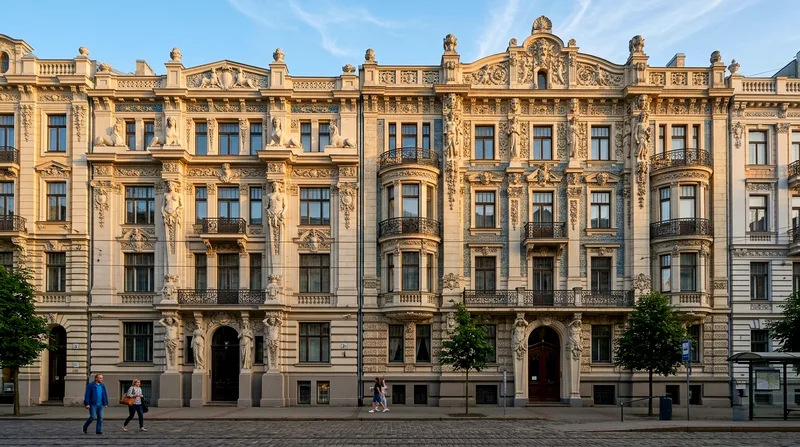
Riga holds the largest concentration of Art Nouveau architecture in the world — somewhere around a third of buildings in the city center show Art Nouveau or related eclectic styles, concentrated heavily around Alberta Street and Elizabetes Street. That density is exactly why the "best tour" question doesn't have one answer. A design student wants to linger on a single facade for ten minutes. A family with two kids under ten wants shade, a toilet break, and something to hold their attention past minute twenty.
Guided walking tours suit people who want the story behind the stone: which architect designed which building (Mikhail Eisenstein's work dominates Alberta Street), why the district boomed between 1904 and 1914, and how it survived both World Wars largely intact. Self-guided routes suit people on a tighter budget, travelers who've already read up on the period, or anyone who'd rather set their own pace and skip the group shuffle between facades.
Architecture Enthusiasts and History Buffs
If you can tell a Rundbogenstil building from a Jugendstil one and actually care about the difference, a guided tour earns its cost. Good guides explain construction techniques, point out restoration work versus original plasterwork, and get you into details you'd otherwise walk past — the sculpted faces above doorways, the asymmetry hidden behind symmetrical-looking windows. Pair this with an hour at the Art Nouveau Museum on Alberta Street, which reconstructs a period apartment interior (stairwell, furniture, light fixtures) rather than just displaying photos. The museum entrance fee is modest, typically a few euros, and it's the single best indoor complement to the outdoor architecture walk.
Budget Travelers and Independent Explorers
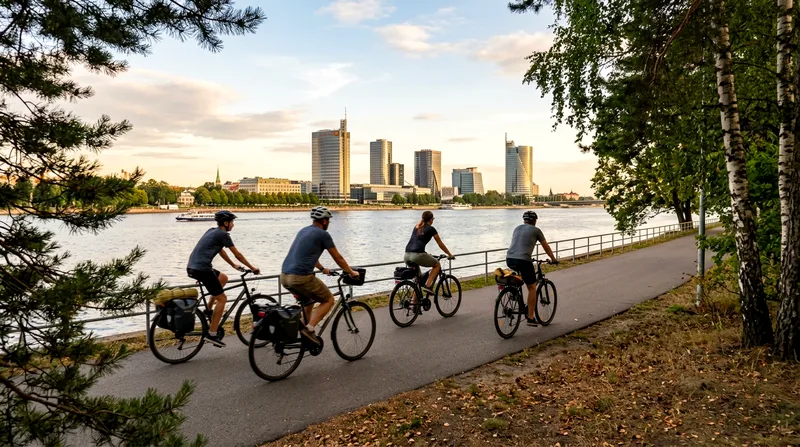
If you're traveling on the kind of budget that also gets you through Vilnius and Krakow on buses rather than flights, a self-guided walk costs nothing beyond a map or app download. The district is compact — Alberta Street, Elizabetes Street, and a few connecting blocks around Strēlnieku Street cover most of the highlights within a 25-minute walk from Old Town Riga. You lose the narrative context a guide provides, but you gain total control over timing, and you can combine it with other free activities like wandering Old Town or walking along the Daugava riverfront without worrying about a group schedule.
Guided vs Self-Guided: Tour Categories
Three broad formats cover almost everyone booking an Art Nouveau tour Riga visit: live guided walking tours, audio-guided or app-based self-tours, and fully independent walks using a printed map or blog route. Each trades off cost, flexibility, and depth differently, and none of them is objectively "best" — it depends what you're optimizing for.
Guided walking tours offer the most context and courtyard access, while self-guided options give you full control over pace and cost.
Riga Art Nouveau tour types compared by duration, group size, and inclusions
| Tour Type | Typical Duration | Group Size | What's Usually Included | Best Booking Source |
|---|---|---|---|---|
| Live guided walking tour | 1.5–2.5 hours | 8–20 people | Guide commentary, fixed route, sometimes museum add-on | Viator, GetYourGuide, Civitatis |
| Small-group/private guided tour | 2–3 hours | 2–6 people | Flexible pacing, deeper Q&A, custom route | Civitatis, local operators |
| Free walking tour (tip-based) | 1.5–2 hours | 15–30 people | Basic history overview, no museum entry | Riga Free Tours |
| Audio/app-based self-guided tour | Flexible, approx. 1.5–2 hours | Solo or small group | GPS-triggered narration, printable map | Dedicated apps, tourism sites |
| Fully independent walk | Flexible | Any | None — self-planned route and research | Free city maps, blog routes |
Durations and group sizes are typical ranges; always check current prices, start times, and inclusions before booking.
Walking Tours With Expert Guides
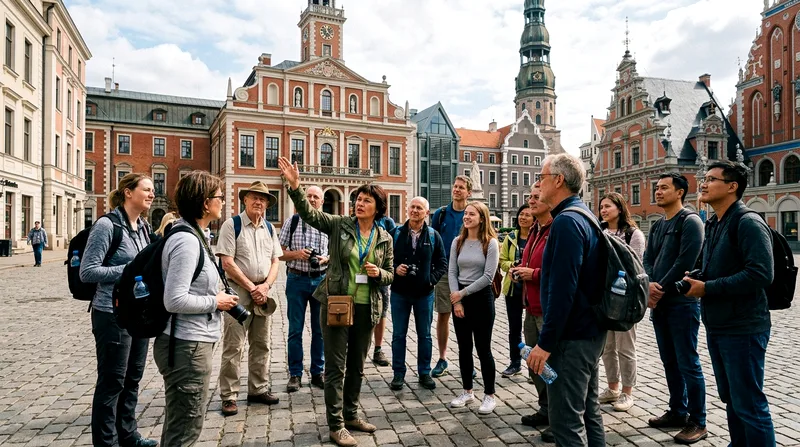
Live guided tours typically run 90 minutes to two and a half hours, usually in small groups of 8 to 20 people, departing from a fixed meeting point near Old Town or the district itself. They're bookable through platforms like Viator, GetYourGuide, and Civitatis, as well as locally through operators such as Riga Free Tours. Expect a walking route covering Alberta Street, Elizabetes Street, and side streets like Strēlnieku, with commentary on architectural style, the city's merchant history, and sometimes a stop inside the Art Nouveau Museum (though museum entry is often an optional add-on rather than automatically included — check this before booking). The upside is context and efficient routing; the downside is a fixed pace that can feel rushed if you want to photograph everything, or slow if you've already read about the district. Avoid tours promising more than 15–20 stops in under two hours — that's usually a sign of a rushed, surface-level walk rather than genuine depth.
Audio-Guided and App-Based Options
A middle ground has grown fast: self-guided audio tours via smartphone apps, where you walk a mapped route at your own pace while narration plays through headphones. These suit solo travelers and couples who want historical depth without group logistics — no meeting time to rush for, no waiting on slower walkers. Pricing is typically a fraction of a live guided tour since there's no guide salary involved, and you can pause for coffee or backtrack to re-photograph a facade. The trade-off is obvious: no one to answer a spontaneous question, and audio quality or GPS accuracy varies between apps, so read recent reviews before downloading one. Free self-guided Art Nouveau walking tour routes also exist as downloadable PDF maps from Riga's tourism board, a reasonable zero-cost alternative if you're comfortable navigating without narration.
What to Look for When Booking
Before you book a Riga Art Nouveau tour, check three things that matter more than the headline price: group size, what's genuinely included versus offered as an upsell, and the cancellation terms. Listings on Viator and GetYourGuide often look similar at a glance but differ meaningfully once you read the fine print.
Group Size, Duration, and Inclusions
A tour capped at 10–12 people will let you actually hear the guide and get close to facade details; anything over 20 starts to feel like crowd management more than storytelling. Check whether the Art Nouveau Museum entrance fee is bundled in or separate — many listings mention the museum in the description but charge entry on top. Also check the actual walking distance: some routes stay tightly within Alberta Street and immediate side streets (under 1.5 km), while others extend toward Old Town Riga and add 30–40 minutes of transit walking that isn't really "Art Nouveau" content.
Cancellation Policies and Accessibility
Riga's weather shifts fast, especially spring and autumn, so a free-cancellation-up-to-24-hours policy is worth prioritizing over a marginally cheaper non-refundable option. On accessibility: cobblestones dominate this district, and several courtyard entrances involve a step or uneven threshold, so tours aren't wheelchair-friendly by default — contact the operator directly if mobility is a concern rather than assuming "walking tour" means fully accessible. If you have a pram or use a cane, ask specifically before booking rather than finding out mid-route.
Best Time to Book Your Tour
Booking timing affects both price and experience quality more than most travelers expect. Popular guided slots — especially late morning departures in June through August — can sell out two to three days ahead during peak summer, particularly for small-group or private formats capped at six people.
Seasonal Considerations and Crowd Patterns
Late spring (May) and early autumn (September) give you the best light for photography and noticeably thinner crowds on Alberta Street compared to peak July and August, when tour groups overlap and you'll wait your turn for an unobstructed facade shot. Winter is workable — the architecture doesn't go anywhere — but shorter daylight hours mean afternoon tours lose good light fast, and some audio routes feel bleaker without foliage softening the street. If you're coordinating this with a wider Baltic trip that includes Tallinn or Vilnius, note that Riga's Art Nouveau season doesn't really have a "closed" period the way, say, Jurmala's beach season does — it's a year-round district, just more pleasant outside winter.
Underrated spots and Photo Stop Tips
Most visitors photograph the obvious facades on Alberta Street and move on within twenty minutes, which is a shame given how much detail sits one layer deeper — literally through the front doors.
Alberta Street Courtyards and Facades
Several buildings on Alberta Street have entrance halls and stairwells open to public view during daytime hours, showing original tilework, stained glass, and ironwork that the street-facing facade doesn't hint at. Guided tours often know which doors are currently accessible (this changes as buildings go private or undergo renovation), which is a genuine advantage over a self-guided walk if you don't want to guess. Elizabetes Street is less photographed than Alberta but has fewer tour groups crowding the pavement, making it easier to get a clean shot of the facades without strangers in frame. While you're in the area, the World of Hat Museum nearby makes an odd but genuinely interesting 30-minute detour if you want a change of pace from architecture alone — it's small, unusual, and rarely crowded.
Frequently asked questions
How long is a typical Riga Art Nouveau tour?
Most guided walking tours run 1.5 to 2.5 hours, covering Alberta Street, Elizabetes Street, and nearby blocks on foot. Self-guided audio tours take a similar amount of time but let you extend or shorten the route freely. Add 30–45 minutes if you're also visiting the Art Nouveau Museum.
What is included in a guided Art Nouveau tour?
Typically a guide, a fixed walking route through the main streets, and historical commentary on architecture and the period's merchant history. Museum entry, audio headsets, or transport to the meeting point are often separate add-ons rather than automatic inclusions, so check the listing details on Viator, GetYourGuide, or Civitatis before assuming they're bundled.
Can I do a self-guided Art Nouveau walking tour?
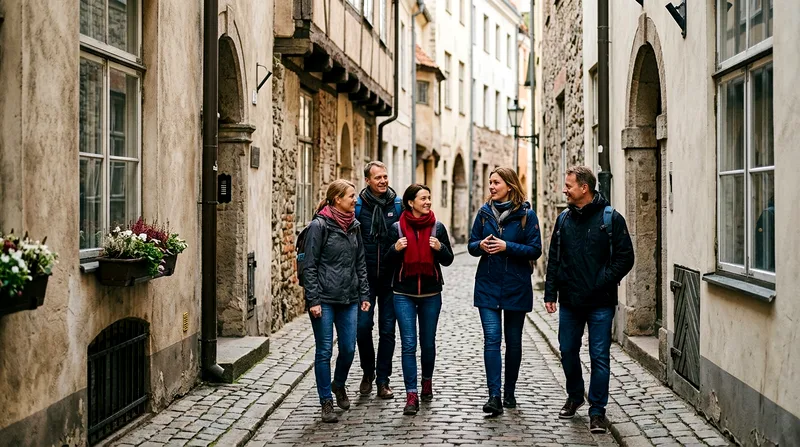
Yes, and it's a reasonable choice given the district's compact size — roughly a 25-minute walk from Old Town Riga covers the core streets. Use a downloadable map from the city tourism board or an app-based audio route if you want narration without a live guide. You'll miss courtyard access tips a local guide would know, but you control the pace entirely.
Are there free Art Nouveau tours in Riga?
Tip-based "free" walking tours exist, often run by operators like Riga Free Tours, covering a broader city overview that includes a stretch through the Art Nouveau district rather than focusing on it exclusively. They typically run 1.5 to 2 hours and work on a pay-what-you-think-it's-worth basis — a reasonable budget option, though less architecturally detailed than a dedicated Art Nouveau specialist tour.
What is the best time to visit Riga's Art Nouveau district?
Late morning to early afternoon gives the best natural light on facades, particularly on Alberta Street where buildings face east-to-south. May, June, and September offer good weather with fewer tour groups than peak July–August. Winter works for photography enthusiasts who don't mind cold hands and shorter daylight windows.