Learn how to save on Riga tours with early-bird discounts, combo tickets, free walking tours, and museum passes. Practical, honest budget tips.
Where Your Tour Money Goes
Riga is still one of the cheaper capital cities in Europe for organized tours, but "cheap" is relative — a disorganized visitor can easily spend double what's necessary. Before chasing discounts, it helps to understand what you're actually paying for, because the line items differ a lot between a €12 walking tour and a €45 day trip to Sigulda.
Tour pricing in Riga breaks down into three rough categories: guide labor, entrance fees bundled into the price, and transport (relevant for anything outside Old Riga, like Jurmala or Sigulda). Platforms like GetYourGuide and Viator add a booking margin on top of what local operators charge directly, typically modest, but it adds up across multiple bookings. Comparing both before booking often reveals a few euros of difference per ticket.
Guided tour pricing structure
A standard 2-hour guided walking tour of Old Riga through a paid operator runs somewhere in the €15-25 per person range, while half-day trips combining Riga with Jurmala beach town or Sigulda's castle hills land closer to €35-55 because of transport and fuel costs. Private guides charge a flat rate regardless of group size — often €80-150 for up to three hours — which only makes sense if you're traveling as a family of four or more, splitting that cost. For a solo traveler or couple, a shared group tour is almost always the better value, assuming you don't mind sharing the experience with eight to twenty other people.
Museum and attraction ticket costs
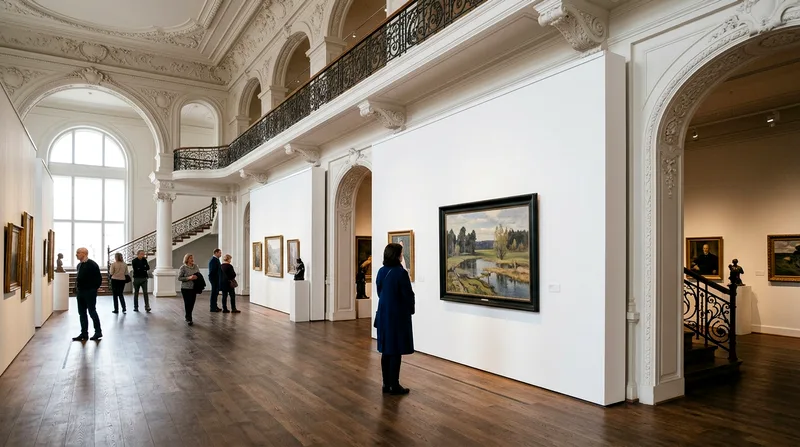
Individual museum tickets in Riga are inexpensive compared to Helsinki or Krakow — expect roughly €3-8 for most municipal museums, with the Latvian National Museum of Art and the Riga Motor Museum near the upper end. The Museum of the Occupation of Latvia, one of the most visited sites in the city, has historically kept free or donation-based entry, though that policy can change, so confirm before you go. St. Peter's Church tower viewing platform, a popular photo stop, charges a separate small fee (around €9) on top of any city tour price — don't assume it's included just because a tour walks past it.
Book Early for Maximum Savings
Booking ahead is the single most reliable lever you have, and it works for a structural reason: tour operators and attraction partners release a limited number of discounted early slots, then raise prices as departure dates fill up or sell out. This isn't a Riga-specific trick — it's how Tallinn, Vilnius, and Krakow operators price too — but Riga's smaller tourism market means popular summer slots (Sigulda day trips, river cruises) do sell out 1-2 weeks ahead in peak July and August.
Advance booking discounts
Booking a guided tour or timed-entry ticket 2-4 weeks ahead typically secures the lowest publicly available rate on platforms like GetYourGuide and Viator, since both use dynamic pricing that nudges upward as a date approaches. For free cancellation options — which most reputable listings offer up to 24-48 hours before the tour — there's no real downside to locking in a booking the moment your travel dates are fixed. The exception is weather-dependent activities like boat tours on the Daugava River; book those with a flexible cancellation window rather than paying extra for a "guaranteed" fixed slot.
Off-season vs peak season pricing
Riga's tourist season peaks June through August, when hotel rates climb and tour groups swell in size. Visiting in May, September, or even early October gets you comparable weather on many days, noticeably thinner crowds in Old Riga, and tour prices that haven't been pushed up by demand. Winter (November-February) sees the deepest discounts on indoor attractions and museum passes, though some outdoor and river-based tours pause entirely — so if a Daugava cruise or a Sigulda bobsled run is the point of your trip, you can't chase the off-season rate without losing the activity. Compare that to Jurmala, which largely shuts its beach-focused offerings down outside summer, making Riga itself the more reliable year-round base.
Use Combo Tickets and Passes
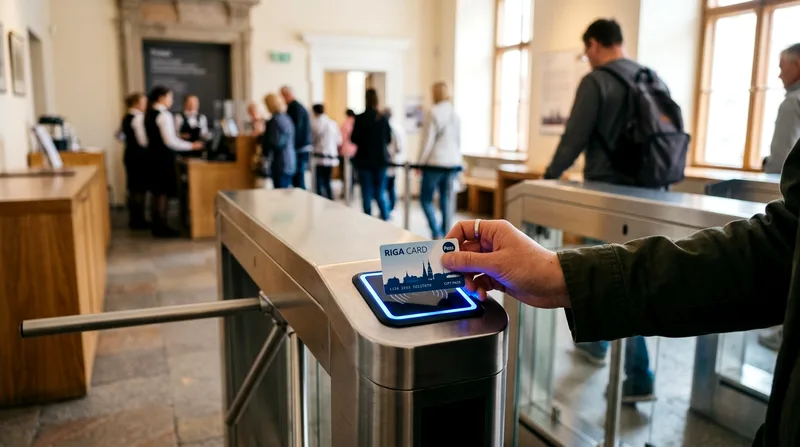
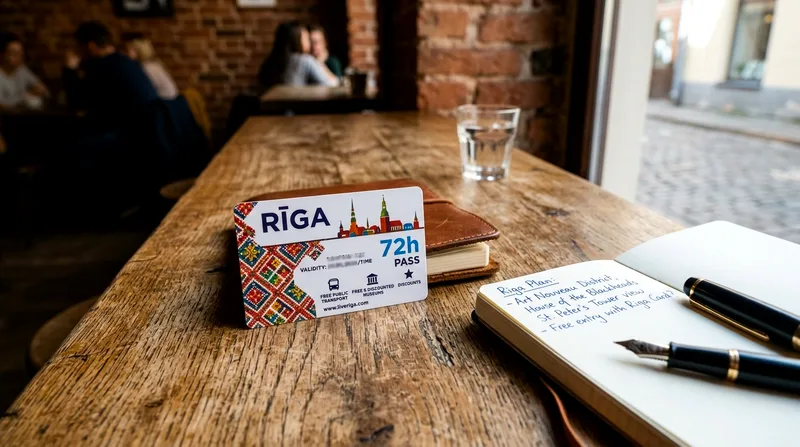
Combo tickets and city passes are where disciplined travelers save real money, but only if the math works for your specific itinerary — buying a pass you underuse is the fastest way to waste a budget. The Riga Card (sold in 24, 48, and 72-hour versions) bundles free or discounted entry to a rotating list of museums, some public transport, and occasional tour discounts. It pays off if you're hitting three or more paid attractions a day; it doesn't if your plan is mostly free walking tours and churches, which cost little anyway.
Pairing one free walking tour with a single paid combo ticket covers most of Riga's highlights for under the cost of booking everything separately.
How to save on Riga tours: comparing booking options by cost and flexibility
| Option | Typical Cost | Booking Window | Best For |
|---|---|---|---|
| Free walking tour (tip-based) | €0 (tip €5-10 suggested) | Walk-in or same-day reserve | Solo travelers, first orientation |
| Paid Old Riga guided tour | €15-25 | 2-4 weeks ahead | Couples, deeper history focus |
| Riga Card (48-hour) | Moderate, check current price | Buy on arrival or online ahead | Museum-heavy itineraries |
| Sigulda day trip | €35-55 | 1-2 weeks ahead in summer | Families, day-trip from Riga |
| Private guide (small group) | €80-150 flat | 1-3 weeks ahead | Groups of 3+, seniors needing pace control |
| River/Daugava boat tour | €15-30 | Flexible cancellation recommended | Couples, photo-focused visitors |
Figures are typical ranges based on standard regional pricing; always check current prices and availability before booking.
Multi-attraction bundled packages
Some operators bundle a Riga city tour with a half-day Sigulda or Jurmala add-on at a combined rate lower than booking both separately — often saving 10-20% versus two individual bookings. Before buying, check whether the bundle actually visits the sites you want or just drives past them; a few "combo" day trips allocate only 30-40 minutes at Sigulda's Turaida Castle, which isn't enough if you want to walk the grounds properly. Read the itinerary stop-by-stop, not just the headline price.
Online platform deals
GetYourGuide and Viator both list the same Riga operators in many cases, so prices can differ slightly for an identical tour — it's worth a two-minute comparison before booking. TripAdvisor is useful for checking recent reviews and photos of what the tour actually delivers, even if you book elsewhere. Rick Steves' guidebook content on Riga, while not a booking platform, is a solid free cross-check for whether a paid tour's itinerary is worth the money or just covers ground you could walk yourself using a printed map.
Free and Low-Cost Tour Options
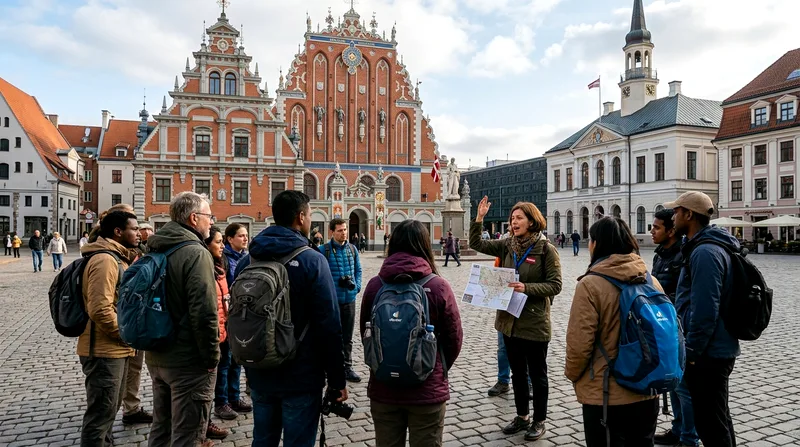
You don't need to spend much to get a solid introduction to Riga. Free walking tours cover Old Riga's core sights — the Town Hall Square, the Three Brothers houses, St. Peter's Church exterior — in about two hours, and they're genuinely good orientation for a first day in any unfamiliar city, the same reason they work in Krakow or Gdansk.
Free walking tours and tip-based models
Riga Free Tours and similar operators run daily departures from central meeting points near the Town Hall Square, usually once or twice a day depending on season. These run on a "pay what you think it's worth" model — tipping €5-10 per person is standard practice and is effectively how guides earn their income, so treat it as a real cost, not an optional extra. Arrive 10 minutes early; groups can run 15-25 people in peak summer, and latecomers sometimes get left behind. The trade-off versus a paid tour: less personalized attention, no skip-the-line access anywhere, and a guide whose income depends on volume rather than a flat fee — which some travelers find changes the energy of the tour.
Student and senior discounts
Most state-run museums in Riga offer reduced admission for students with a valid ISIC card or international student ID, typically 30-50% off standard entry. Senior discounts are less standardized — some museums offer them, others don't — so it's worth asking at the ticket counter rather than assuming. Latvia's museums generally don't require advance proof beyond a physical ID shown on-site, unlike some Western European institutions that demand pre-registration.
What Not to Skimp On
Saving money shouldn't mean cutting corners that ruin the experience. There are two places in particular where the cheapest option usually costs you more in the long run: guide quality and group size.
Quality guide expertise
I wouldn't book a tour of the Occupation Museum or anything covering Latvia's Soviet and Nazi occupation periods based on price alone. This is sensitive, detailed history, and a guide who glosses over it with a rehearsed script does the subject a disservice. Check reviews on TripAdvisor specifically for mentions of the guide's depth of knowledge, not just friendliness — a tour that's €5 cheaper but delivers a shallow version of this history isn't a real saving.
Small group vs large group trade-offs
Large free walking tours (20+ people) are fine for orientation but poor for anything requiring you to actually hear detail or ask questions — sound carries badly on narrow Old Riga streets, and you'll spend half the tour straining to hear. If history or architecture is the actual point of your visit rather than just a general sense of the city, pay the extra €10-15 for a capped small-group tour (8-12 people). It's one of the few upgrades in Riga that reliably changes the experience rather than just the price tag.
Your Riga Booking Checklist
A little discipline before you pay turns "probably fine" into "definitely good value." Run through this before confirming anything.
Pre-booking verification steps
Check the meeting point address against a map — some tours list "Old Riga" vaguely and you end up wandering. Confirm whether entrance fees are included or separate (St. Peter's Church tower is a common gap). Cross-reference the same tour across GetYourGuide, Viator, and the operator's own site if it has one; prices for identical tours can vary by a few euros. Read the most recent 10-15 reviews, not just the overall rating, since guide quality on walking tours can shift seasonally.
Timing and cancellation policies
Favor listings with free cancellation up to 24-48 hours ahead — Baltic weather is unpredictable even in summer, and outdoor tours (Sigulda, river cruises) are the ones most likely to need rescheduling. Avoid non-refundable "lowest price guaranteed" fares unless your dates are locked and the forecast is settled; the savings (often just 5-10%) rarely justify losing a full tour cost to a rained-out day.
Frequently asked questions
What are the cheapest tours available in Riga?
Free tip-based walking tours of Old Riga are the cheapest structured option, costing only what you choose to tip (€5-10 per person is standard). For paid tours, short 90-minute to 2-hour themed walks (Art Nouveau architecture, Riga Central Market food tours) tend to run €10-20, cheaper than half-day excursions to Sigulda or Jurmala.
How much do Riga museum tickets cost?
Most municipal museums charge roughly €3-8 for standard adult admission. The Museum of the Occupation of Latvia has historically offered free or donation-based entry, though you should confirm current policy before visiting. Larger attractions like the Latvian National Museum of Art sit near the upper end of that range, and add-ons like the St. Peter's Church tower (around €9) are charged separately.
Are there free tours in Riga?
Yes — Riga Free Tours and similar operators run daily tip-based walking tours departing from central points near Town Hall Square, covering Old Riga's main landmarks in about two hours. They're genuinely free to join; guides earn income through tips, so budget €5-10 per person as an informal cost.
What discounts apply to student and senior visitors?
Students with a valid ISIC or international student card typically get 30-50% off museum admission across most state-run sites. Senior discounts exist at some museums but aren't universal across Riga, so it's worth asking directly at the ticket desk rather than assuming a reduced rate applies.
How much can I save by booking tours in advance?
Booking 2-4 weeks ahead generally secures the lowest publicly listed price on platforms like GetYourGuide and Viator, since prices tend to rise as popular dates fill, particularly for summer Sigulda day trips and river cruises. Last-minute bookings aren't always more expensive, but you risk paying premium rates or finding no availability at all during July and August.