Compare Sigulda and Jūrmala day trips from Riga. See travel time, costs, activities, and crowds to pick your perfect excursion.
Quick Comparison: Sigulda vs Jūrmala
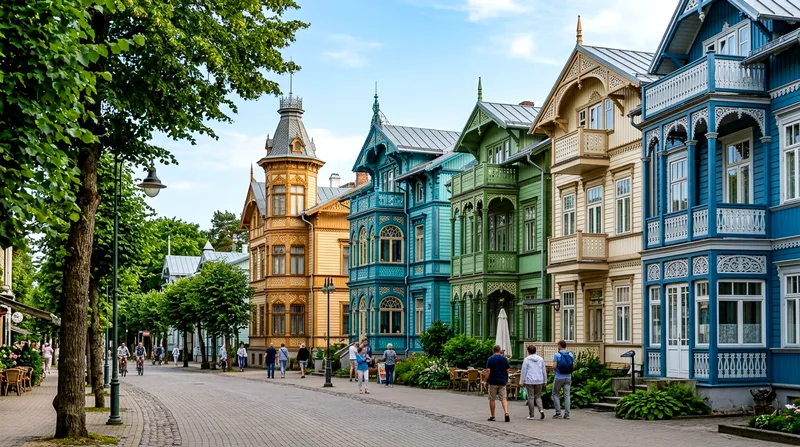
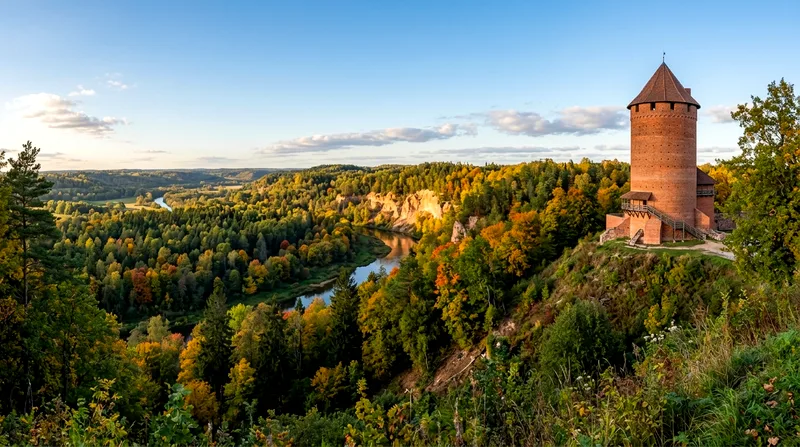
If you're standing in Riga with one free day and trying to decide between a Sigulda vs Jūrmala day trip, the honest answer is that they're not really competing for the same traveler. Sigulda sits inside Gauja National Park, about 50 km northeast of Riga, and trades on medieval castles, zip lines, and river-valley hiking. Jūrmala is a beach resort town roughly 25 km west, built around a 32-km stretch of sand, wooden Art Nouveau villas, and spa hotels that date back to Soviet-era sanatorium culture. One is a forest-and-fortress day; the other is a boardwalk-and-sauna day.
I'd push back on the idea that you need to rank them. They solve different problems. If your legs want a workout and your camera wants castle towers, Sigulda wins outright — nothing in Jūrmala compares to Turaida Castle's brick ramparts or the Gauja valley's bobsled track and cable car. If you want to lie on sand, order a cocktail, and maybe book a spa treatment, Jūrmala wins just as outright, because Sigulda has no coastline and no real resort infrastructure.
Sigulda suits castle-and-hiking days while Jūrmala suits beach-and-spa days, and the table below breaks down why.
Sigulda vs Jūrmala day trip comparison: travel time, cost, and activities
| Destination | Travel time from Riga | Typical daily budget | Best activities | Crowd level | Best season |
|---|---|---|---|---|---|
| Sigulda | 45-60 min (train or bus) | €25-50 per person | Castles, cable car, hiking, bobsled | Moderate, busier on weekends | Spring to autumn; winter for bobsled |
| Jūrmala | 30-40 min (train) | €20-60 per person | Beach, spa, Jomas iela promenade | High in July-August, quiet off-season | June to September for beach |
Figures are typical ranges; exact train schedules and entry prices vary by season, so check current details before you travel.
What each destination offers
Sigulda offers three castle-adjacent sites within walking or short-bus distance of each other: Turaida Museum Reserve, Sigulda Medieval Castle ruins, and Krimulda Manor, all connected by trails through the Gauja valley. Add a cable car crossing the valley, a summer bobsled/luge track, and in winter actual bobsled runs. Jūrmala offers the beach itself (Majori and Dzintari are the main hubs), a 2-km pedestrian street called Jomas iela lined with restaurants and shops, spa hotels with thermal pools, and Ķemeri National Park's bog boardwalk a short drive further out. Neither destination requires more than a day, but Jūrmala rewards a slower, lounging pace while Sigulda rewards an early start and comfortable shoes.
At-a-glance factor summary
Before the detailed breakdown, here's the shape of the decision: Sigulda is better for activity level, scenery variety, and history; Jūrmala is better for relaxation, families wanting a simple beach day, and anyone traveling in July or August heat who just wants water nearby. Travel time is similar — both are under an hour by train — but what you do once you arrive differs completely, which matters more than the commute.
Travel Time and Transportation
Both towns are reachable without a car, and that's one of the real strengths of basing yourself in Riga — you can treat Latvia almost like a hub-and-spoke system, the way travelers do with Krakow and the Wieliczka salt mine, or Helsinki and its nearby islands.
Distance and journey duration
Sigulda is about 50 km from Riga; the train takes roughly 50-60 minutes from Rīga Centrālā station, with departures running regularly throughout the day. Jūrmala is closer, around 25 km, and the train to Majori station takes about 30-40 minutes on the same line used by commuters, making it genuinely easy even for a half-day visit. Neither trip requires an overnight stay, though Jūrmala's hotel scene is good enough that some couples and senior travellers choose to stay a night or two, especially if combining it with spa treatments that run longer than a single afternoon allows.
Public transport vs guided tours
For both destinations, regular trains are cheap, frequent, and simple — you don't need Latvian to buy a ticket at the station or from a machine. The trade-off: trains don't connect Sigulda's scattered castle sites to each other, so you'll either walk (it's about 2-3 km between Sigulda town and Turaida), take a local bus, or rent a bike near the station in summer. Guided day tours booked through platforms like GetYourGuide or Viator solve that logistics problem by bundling transport, a guide, and sometimes cable car or bobsled tickets into one price — useful for solo travelers or families who don't want to figure out bus schedules. For Jūrmala, you genuinely don't need a tour; the train drops you a short walk from the beach and Jomas iela, and there's nothing to logistically coordinate.
Cost Breakdown and Budget
Neither trip is expensive by Western European standards — this is still one of the cheaper corners of the EU to explore, cheaper on the ground than Helsinki and roughly on par with Vilnius or Gdansk for daily spend. But the cost structure differs: Sigulda has more paid attractions stacked close together, while Jūrmala's core experience — the beach — is free, with spending concentrated in food and optional spa add-ons.
Entry fees and activity costs
In Sigulda, Turaida Museum Reserve charges a modest entry fee, typically in the single-digit euro range for adults with discounts for students and seniors. The cable car across the Gauja valley and the summer bobsled track are each separate paid activities, usually €10-20 depending on the ride. Add it up and a full Sigulda day with two or three attractions runs €25-40 per adult. Jūrmala's beach costs nothing to access, but spa day passes at the resort hotels can run €30-60 for a few hours of pools and saunas, and that's where budgets diverge — a minimal Jūrmala day (beach, walk, coffee) can cost under €15, while a spa-focused one easily exceeds Sigulda's total.
Food and accommodation pricing
Lunch in either town costs roughly €8-15 at a casual restaurant, similar to prices in central Riga. Jūrmala's Jomas iela has more restaurant density and a wider range, from cheap pelmeni stalls to seafood places charging Riga-tourist prices. Sigulda's food options are thinner and close early, so don't plan on a late dinner there — eat before the last train back, or you'll be hunting for an open kitchen near the station. If you're tempted to stay overnight, Jūrmala accommodation (from guesthouses to spa hotels) generally starts around €40-50 for a basic double and climbs steeply for resort properties, while Sigulda has fewer overnight options overall, mostly guesthouses and a couple of hotels near the castle sites.
Activities, Scenery, and Crowds
This is where the Sigulda castles vs Jūrmala beaches question really gets decided, because the two places ask you to move through them in completely different ways.
Castles, hiking, and nature in Sigulda
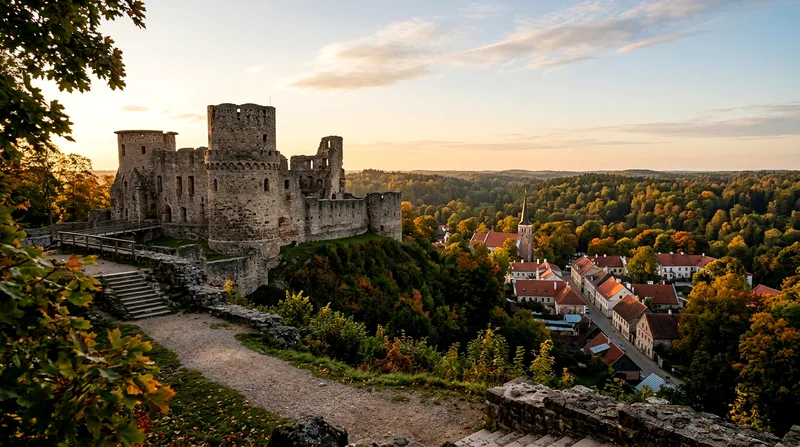
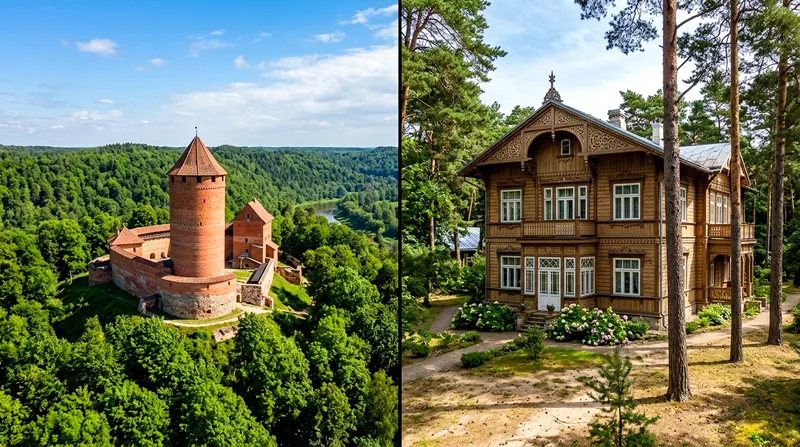
Turaida Castle's rebuilt red-brick tower is the postcard image of the Gauja valley, and the surrounding museum reserve includes a sculpture garden and church grounds worth an hour alone. Sigulda Medieval Castle, across the valley, is mostly ruins but pairs well with the New Castle building next to it. Between the sites, trails wind through pine forest and sandstone cliffs — genuinely good hiking, comparable in spirit (if smaller in scale) to what you'd find around Krakow's limestone uplands. The cable car gives you a quick aerial view of the valley if you don't want to walk it all. Crowds build on summer weekends and during the Sigulda Opera Festival, but midweek visits, even in July, rarely feel crowded. Winter brings a different crowd entirely — bobsled enthusiasts and cross-country skiers.
Beaches, spas, and resort life in Jūrmala
Jūrmala's beach is wide, sandy, and shallow for a long way out, making it genuinely good for families with young children — better in that sense than most Baltic Sea beaches, including those near Tallinn. Water temperature peaks in July-August and still feels cool by Mediterranean standards, so don't expect a warm-water swim even at the height of summer. The wooden villa architecture along the promenade gives the town a distinct look, somewhere between a seaside resort and an open-air museum. Weekends in peak summer get genuinely busy, with crowded sand near Majori and Dzintari; Ķemeri National Park, a short drive away, is the quiet counterpoint, with its bog boardwalk trail offering a strange, flat landscape that's nothing like Sigulda's valley forest. I'd skip Jūrmala in a cold, windy shoulder-season week — the beach loses most of its appeal without sun, and the town can feel half-closed.
Who Should Choose Which Destination
Neither destination is objectively superior — this section is really about matching the place to your travel style, which is the question most people actually have when they search "Sigulda or Jūrmala."
Best for history and adventure seekers
Choose Sigulda if you like walking several kilometers a day, want photographs of actual medieval architecture, and don't mind a day with no swimming involved. It's also the better pick if you're combining Riga with other active Baltic stops — it fits naturally alongside a Gauja National Park hike or a side trip comparison with Vilnius's Trakai Castle, which draws a similar crowd of castle-and-nature travelers. Solo travelers and European travellers used to hiking culture tend to rate Sigulda higher than casual tourists expect going in.
Best for relaxation and beach lovers
Choose Jūrmala if you want a low-effort day, you're traveling with small children who'll tire out on castle stairs, or you're a senior traveller who'd rather sit on a bench by the sea than climb a tower. It's also the stronger pick if you're already doing heavier sightseeing in Riga's Old Town and want a contrast day rather than more walking. Couples looking for a spa afternoon will get far more out of Jūrmala's hotel pools than anything Sigulda offers.
The Verdict
If forced to pick one, I'd lean Sigulda for first-time visitors to Latvia, simply because it delivers something you can't get in Riga itself — real castle history and forest scenery — while Jūrmala's beach, pleasant as it is, doesn't outclass what you'd find at Tallinn's nearby coastal spots or even closer options for sun-seekers. But that's a soft recommendation, not a rule. Families with young kids, honestly, will usually have an easier and happier day in Jūrmala. And if you have two days in Riga rather than one, there's no real conflict: do Sigulda on a cooler, overcast day when hiking feels good, and save Jūrmala for the one sunny afternoon in the forecast.
Frequently asked questions
How long does it take to travel from Riga to Sigulda or Jūrmala?
By train, Jūrmala takes about 30-40 minutes from Rīga Centrālā station, and Sigulda takes roughly 50-60 minutes. Both routes run regularly throughout the day, so you don't need to prebook tickets in advance — just check the timetable the morning you travel, since frequency drops slightly outside peak summer months.
===FAQ===
Can you visit both Sigulda and Jūrmala in one day?
Technically yes if you start at dawn and skip most activities, but practically no. Each destination needs 5-6 hours to do properly, and they're in opposite directions from Riga, so combining them means a rushed, low-value version of both. Better to treat them as two separate day trips.
===FAQ===
What are the main attractions in each destination?
Sigulda's highlights are Turaida Castle, Sigulda Medieval Castle ruins, the Gauja valley cable car, and the bobsled track. Jūrmala's highlights are the beach itself around Majori and Dzintari, the Jomas iela promenade, spa hotels, and the nearby Ķemeri National Park bog trail.
===FAQ===
Which destination is better for families with children?
Jūrmala generally works better for families with young kids — the beach is shallow, sandy, and low-effort, with plenty of food options nearby. Sigulda suits families with older children who can handle a few kilometers of walking and will actually enjoy castle ruins and a cable car ride.
===FAQ===
What is the best time of year to visit each location?
Jūrmala is best June through September when the beach is usable and restaurants on Jomas iela are fully open; outside that window it can feel subdued. Sigulda works well spring through autumn for hiking and castles, and uniquely comes alive again in winter for its bobsled track, which Jūrmala has no equivalent of.